
Breaking Silence: Why epilepsy should no longer be trapped in myths
 SKAiF NewsNG SNN
By Ebunoluwa Sessou
For decades, epilepsy has lived in the shadows of Nigerian society, wrapped in fear, superstition and silence. It has been described as contagious, branded a curse, and, in some communities, treated as a spiritual affliction rather than a medical condition. But voices at a recent disability advocacy and career summit were united in one message: epilepsy is not a myth, it is a neurological disorder, and ignorance is doing more harm than the condition itself.
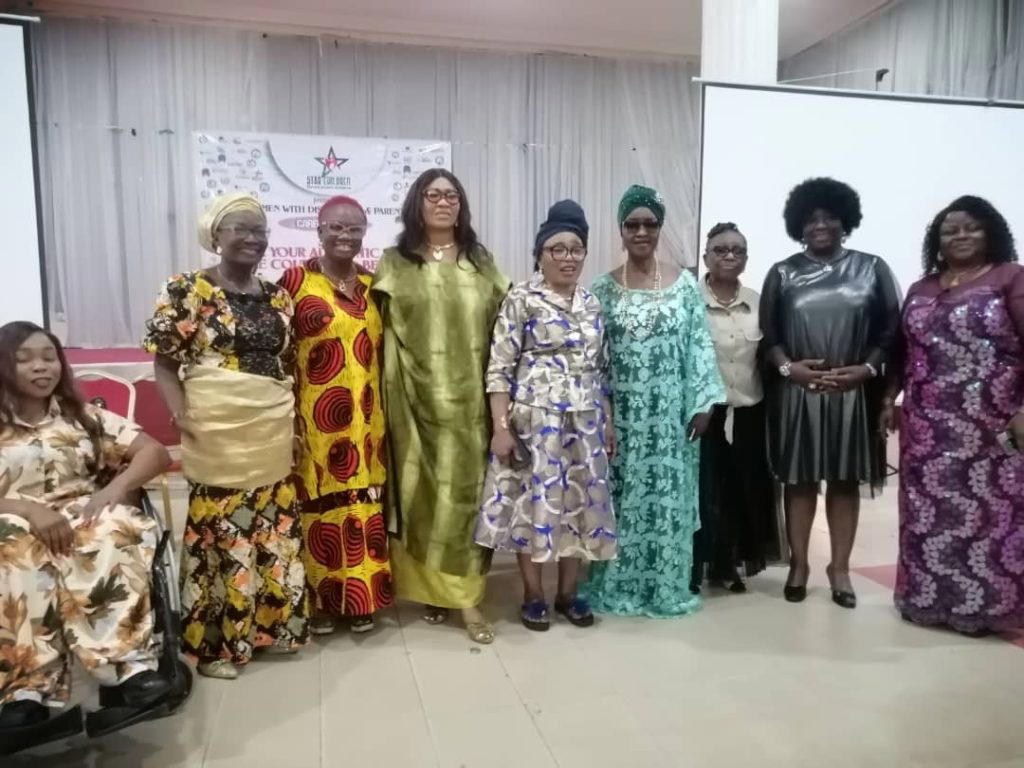
At the just concluded Women with Disabilities and Parent Carers Summit organised by the Star Children Development Initiative, with the theme, ‘Be Your Authentic Self: The Courage to be Seen’, the stakeholders including parents, NGOs, care givers, and the People living with Disabilities, the highlight of the event was the need to get others stakeholders including politicians, government at all levels, corporate organisations, individuals as well as philanthropists understand the pains of the persons with disabilities, as well as the care givers.
There was also a call to prioritise some of the equipment that they use to better their living standard. The need to disabuse the mind of people against persons with disability, integrating and accepting their personalities in the society.
As conversations around disability slowly gain ground, stakeholders agree that dismantling an epilepsy myth is a necessary first step towards inclusion.
Speaking on her personal journey, founder of the Star Children Development Initiative, Mrs. Grace Alexander, said, accepting the truth is not from textbooks but from lived experience. She lamented that, when her son began having epileptic seizures, her world collapsed under the weight of stigma.
“In Nigeria, once people hear epilepsy, they withdraw,” she said. “You are isolated. You are given names. People think it will transmit to them. That fear affected me badly.”
Coming from a background where no one in her family had epilepsy, Alexander said she went into shock and denial, a response she believes is common among parents of children living with disabilities.
“You tell yourself it is not your portion. You reject it. But the reality is that your child has epilepsy, and running away from it does not make it disappear,” she said.
According to her, “Epilepsy is simply a disorder of the brain not a spiritual attack, not witchcraft and not a punishment from God. Yet, myths persist, fueling discrimination and emotional trauma for both children and their caregivers.
“Knowledge is power. Once you understand what epilepsy is, fear begins to lose its grip,” she said.
She explained that misinformation has forced many families into hiding, with some parents keeping their children indoors to avoid ridicule or rejection. In extreme cases, persons living with epilepsy are locked away, abused or denied education and social interaction.
“This is what myths do,” she said. “They strip people of their humanity.”
Alexander’s advocacy challenges society to look beyond seizures and see the human being. According to her, epilepsy is only one aspect of a person’s life, not their identity.
“My son is not epilepsy,” she said firmly. “He is a whole human being. The condition is part of his life, but it does not define him.”
Medical professionals and advocates also pointed to the intersection between epilepsy and mental health. The burden of stigma, they noted, often leads to anxiety, depression and burnout among parents and carers, many of whom receive little or no support.
“When a caregiver is traumatised, it affects the child,” Alexander explained. “That is why myths are dangerous. They do not just harm the person with epilepsy; they harm the entire family.”
Despite living in the United Kingdom, Alexander said her heart remains in Nigeria, where misinformation about epilepsy remains widespread, particularly in rural communities.
“I am Nigerian first,” she said. “And when we were growing up, epilepsy was a taboo. But it is not contagious. It is not evil. It is a medical condition.”
Through community outreach, hospital partnerships and peer support groups, she has worked to demystify epilepsy, especially among parents from grassroots communities. Her message is simple: acceptance is strength, not weakness.
“When you accept, you learn how to nurture, how to bond and how to support your child,” she said. “People living with epilepsy are human beings, first and foremost,” Alexander said. “Once society understands that, stigma will lose its power.”
A member of the Board of Trustees of the Lagos Chamber of Commerce and Industry (LCCI), Mr. John Odeyemi, described the continued stigmatisation of epilepsy as a moral failure.
“People have to care with compassion and kindness,” he said. “Those with challenges must be allowed to participate in life and live life.”
Be yourself, reject stigma, Prof. Nwana tells PLWD
In her contribution, Professor Chinwe Nwana urged Persons Living With Disabilities to embrace self-belief, authenticity and inner strength, saying true empowerment begins when individuals reject negative societal narratives and define themselves on their own terms.
Nwana stressed that living authentically is crucial for anyone navigating life with a disability.
“To be authentic as somebody living with disability, the person has to be herself,” she said. “She has to believe in her inner self, her values, her thoughts and whatever she is doing, not pretending to be another person.”
According to her, one of the greatest challenges faced by persons with disabilities is internalising harmful labels imposed by society.
Turning to caregivers and family members, whom she described as often overlooked in disability conversations, Nwana acknowledged the emotional and psychological demands of caregiving, but warned strongly against violence, neglect and abuse.
“I want to address this from the angle of violence,” she said. “Some families, out of shame, hide their relatives living with disabilities. Some even lock them up in rooms or abuse them.”
She explained that dependency can sometimes lead to frustration among caregivers, which, if not properly managed, may result in aggression.
“Because these persons depend on others, caregivers can become frustrated, irritated and then aggressive,” she said. “But that must never be an excuse.”
Nwana emphasised the importance of education, support and help-seeking as tools to prevent abuse.
“The first thing is education,” she said. “Caregivers must be told that they are there to help. And if they need help themselves, they should seek it.”
She also called on families to move from denial to acceptance, noting that acceptance often transforms both the caregiver and the person living with disability.
“Relations should accept the situation and believe in themselves to help,” she said. “They should understand that whoever this person is, he or she is beautifully made by God that way, and they should live with it.”
Discrimination against persons with disability criminal offence — NBA
Chairman of the Nigerian Bar Association (NBA), Otta Branch, Mrs. Kelubia Ajose, has reaffirmed that discrimination against persons living with disabilities is a criminal offence in Nigeria, warning that perpetrators can be arrested, prosecuted and brought to book under the law.
Ajose stated this while speaking at a disability advocacy forum, shortly after a panel session focused on the rights, protection and welfare of persons with disabilities and their caregivers.
“We have just concluded the panel, and I had to enlighten and educate participants that once there is discrimination against persons with disabilities, there are legal backing for them,” she said. “They can go to court, and anyone found guilty can be arrested. It is a criminal offence in Nigeria.”
According to her, many Nigerians remain unaware of the legal protections available to persons with disabilities, a gap she described as dangerous and unacceptable.
She explained that the law does not excuse discrimination under any guise, stressing that disability does not diminish a person’s humanity or rights.
Responding to concerns about violence sometimes arising from the trauma experienced by caregivers, Ajose maintained that the law does not permit abuse, regardless of circumstances.
“The job of a care giver is that of humanity,” she said. “A care giver must be ready to condone the excesses of the person he or she is caring for. If you are not good with children, you cannot take care of children. If you don’t have love at heart, you cannot be a care giver.”
Ajose acknowledged that lapses occur across professions, including law enforcement, healthcare and social services, but warned that such failures would not be tolerated when they involve abuse of persons with disabilities.
“Anyone found guilty of abusing or failing to properly care for a person with disability will face consequences,” she said. “In the case of professional care givers, their license will be withdrawn. You cannot continue as a care giver if you are found guilty of such offences.”
Addressing the role of parents and family members who often bear the burden of care, Ajose said early exposure and acceptance play a key role in preventing violent reactions.
“When parents and siblings grow up with persons living with disabilities, they learn to live with them,” she said. “It is mostly outsiders who overreact.”
We must do more to protect women with disabilities — CSP Odutola
Meanwhile, the CSP Omolola Odutola, Head Gender Unit, Lagos State Police Commands, called for increased awareness, inclusion and compassion in addressing gender-based violence and human rights abuses against women and persons living with disabilities, saying protection, not pity, must guide societal response.
Odutola said while the Lagos State Police Command’s Gender Unit has made significant progress, there is still room to strengthen existing structures.
“But we need to improve on what we have been doing. If we had one patrol vehicle before, then we need another one. If we had shelter spaces before, we now need more shelter spaces.”
According to her, increased public awareness of the work of the Gender Unit has led to a rise in reported cases of gender-based violence, abuse of persons with disabilities and other human rights violations.
“People are now more aware of what the Lagos State Police Command, in collaboration with other stakeholders, is doing to ensure that persons with disabilities and survivors of gender-based violence are accommodated and that justice is served,” she said.
“Our unit is accessible,” she said. “We are on social media, our phone numbers are available, and the numbers of the Police Public Relations Officer are also available. If you are not aware of where to get information, you may assume we are not accessible.”
She stressed those survivors who engage directly with the unit often experience prompt and effective response.
“Those who have accessed us know that we are swift, prompt and active,” she added.
The post Breaking Silence: Why epilepsy should no longer be trapped in myths appeared first on Vanguard News.