Why Nigerian youths must prioritise blood pressure control
 SKAiF NewsNG SNN
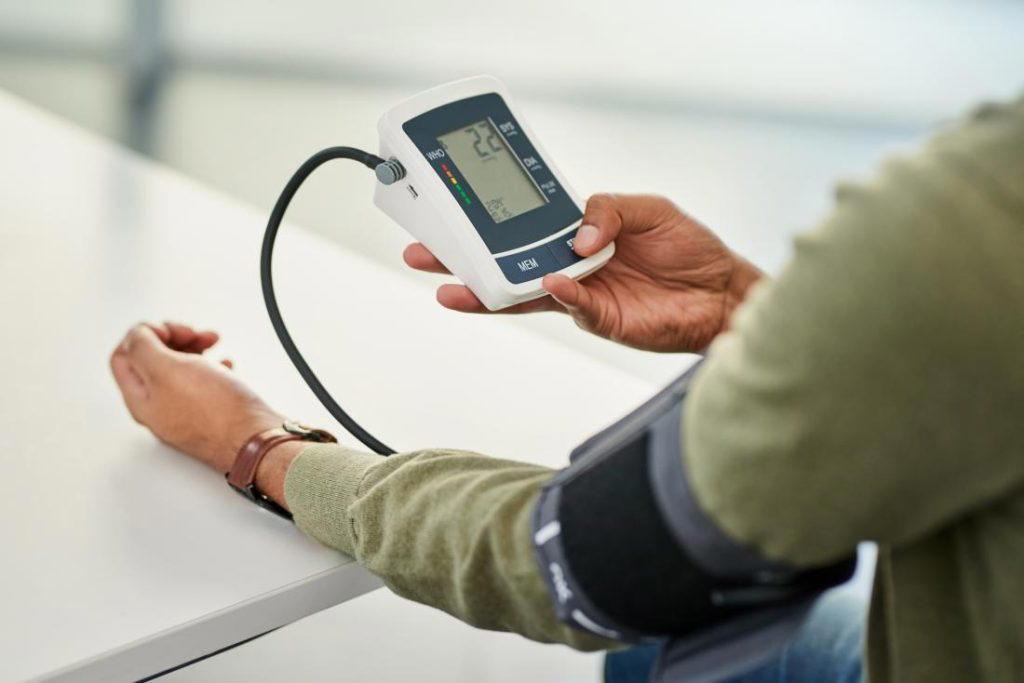
In spite of concerted efforts, including partnerships to stamp out hypertension, otherwise known as High Blood Pressure (BP) in Nigeria, stakeholders are worried it still kills thousands of people particularly young adults.
A report from the World Health Organisation (WHO) shows that no fewer than 1.3 billion adults globally live with hypertension, with nearly half unaware of their condition and only one in five achieving controlled blood pressure.
In Nigeria, the situation is dire, with studies showing that approximately 25 per cent of emergency hospital admissions in urban areas stem from hypertension-related complications such as stroke, kidney failure, and heart attacks.
A Lagos-based businessman, Mr Jude Madukwe, recounts how his brother-in-law, Alex Obiora, had heart attack and died in the course of watching a football match.
He explains that Obiora, 39, slumped in 2024 while watching the semi-final match between the Super Eagles of Nigeria and Bafana Bafana of South Africa, in the Africa Cup of Nations (AFCON), in Cote D’Ivoire.
“If Obiora had shown some symptoms of sickness or was hospitalised prior to his death, it would have given a little relief to the shock of his death.
“But, he went to watch a football match slumped and die during course of watching the match.
“The demise of Obiora left a big vacuum in our family, as his wife has yet to recover from the shock,” he narrates.
Similarly, Mr Felix Osadebe, 48, is at present living with stroke, as a result of elevated blood pressure.
His wife, Mrs Juliet Osadebe, narrates how her husband was paralysed barely four years after their marriage.
“It was just three months after I gave birth to our second child when my husband had a stroke.
“It all started while he was bathing after returning from a social gathering. From the bathroom, he raised a loud scream that called the attention of everyone in the apartment.
“As he used his two hands to hold his head, indicating serious pains on the head, he was rushed to hospital, where it was observed that his systolic BP readings was 200 mm Hg or higher.
“At the hospital, efforts were made to save him, but, unfortunately, he now lives with partial stroke, leaving me to cater for the family,” she says with tears running down her face.
According to the WHO, hypertension (high blood pressure) is when the pressure in the blood vessels is too high (140/90 mmHg or higher). It is common but can be serious if not treated.
Though, very high blood pressures can cause headaches, blurred vision, chest pain and other symptoms, health experts say the only way to know one’s numbers is to get one’s blood pressure checked.
This is as most people with high blood pressure may not feel the symptoms, and if unchecked, among other complications, experts say hypertension can cause serious damage to the heart.
“Excessive pressure can harden arteries, decreasing the flow of blood and oxygen to the heart.
“This elevated pressure and reduced blood flow can cause chest pain, also called angina; heart attack, which occurs when the blood supply to the heart is blocked and heart muscle cells die from lack of oxygen.
“The longer the blood flow is blocked, the greater the damage to the heart.
“These can result to heart failure, which occurs when the heart cannot pump enough blood and oxygen to other vital body organs; and irregular heart beat which can lead to a sudden death.
“Hypertension can also burst or block arteries that supply blood and oxygen to the brain, causing a stroke,” Dr Alfred Igwe, a Physician explains, adding that hypertension can also damage the kidney, leading to kidney failure.
Obiora’s story is just one among thousands in Nigeria, where hypertension remains a leading cause of death in spite being preventable and treatable.
Nevertheless, medical professionals say hypertension is treatable and can be put under control given appropriate medicine and lifestyle changes.
But, in spite medical advances, programmes and outreaches to bring diagnoses closer to people and encourage them cultivate habit of regular BP check, hypertension remains a major public health crisis in Nigeria.
According to WHO, hypertension is a major cause of premature death worldwide, and an estimated 600 million adults with hypertension (44 per cent) are unaware that they have the condition.
Nigeria, the most populous country in Africa with a population exceeding 200 million, has an estimated hypertension prevalence of 38 per cent, which is a major contributor to the burden of hypertension-related disease in Africa.
The WHO says compounding this rising burden are low rates of awareness, treatment, and control of hypertension, attributable to insufficient health system readiness and response to meet the large and rising need for hypertensive services.
Dr Adisa Adams, a Consultant Cardiologist, with the Lagos University Teaching Hospital (LUTH), provides insights.
He decries the increasing number of Nigerian young adults in their 30s being diagnosed with hypertension, describing the situation as a threat to their lives and future.
Adams, who describes hypertension as a silent killer, laments that it is now common among young people unlike before when majorly old people of 50 years and above were seen with hypertension.
According to him, the death of most young Nigerian adults can be linked to heart-related challenges caused by undetected and unmanaged hypertension.
“There have been instances of young Nigerians dying with cardiovascular/heart-related disease.
“In my earlier years of practice, high blood pressure is mostly an issue of the mature and old folk starting from 50 years, but now we see 28 to 35-year-old hypertensive patients”.
Adams, decrying the rate of sudden deaths among Nigerian young adults, blames the development on young life mentality syndrome and lack of preventive measures among the younger people.
“The first issue with the younger generation is the false and unwise belief that they are young and thus, do not need to regularly check themselves.
“The second is the fact that they are not taking preventive measures, as well as lack of public information and sensitisation about the dangers associated with hypertension and even low blood pressure,” he says.
Another consultant cardiologist with the Lagos State University Teaching Hospital (LASUTH), Dr Ramon Moronkola, notes that sudden emotional surge either extreme excitement or sadness can put a lot of pressure on the cardiovascular system of an individual.
Moronkola explained that underlying untreated cardiovascular health conditions could trigger causes that might lead to sudden death of an individual.
According to him, if the individual has no underlying morbidity, that’s, the heart is fine, the vessels are okay; usually it doesn’t cause much problem.
“But, in a situation where the individual already has some malfunctions in the system, it can result to sudden cardiac attack.
“There are situations where people die suddenly during emotional surge, because that’s definitely what happened in the case of Obiora. In that situation, it can happen when an individual is extremely happy or grieved.
“Similarly, during football match, people are really tensed. There are a lot of emotional commitment/assertion; this may put a lot of pressure on individual’s cardiovascular system.
“If such individual has no underlying health conditions, it usually doesn’t cause problem.
“But in a situation that such individual has underlying cardiovascular disease, maybe the person is hypertensive or diabetic and he doesn’t or he knows, but not managing it well.
“With the underlying cardiovascular disease and the person is exposed to emotional surge, he/she can develop heart attack or heart failure and die,” he explains.
Also speaking on possible causes and dynamics of hypertension, a Consultant Family and Lifestyle Medicine Physician, Dr Moyosore Makinde, identifies ‘stress’ as a major cause of high blood pressure and sudden death among Nigerian adults.
Makinde laments that many people have suddenly slumped and died due to accumulated stress, advising that people pay attention to their health, prioritise sleep and rest because they are fundamental to good health.
She says research reveal that long-term anxiety or emotional stress can increase the risk for sudden cardiac deaths.
“For a person living with chronic stress, the result can be chest pain, irregular heartbeats, shortness of breath, and an increased risk of heart attack and stroke”.
Proffering ways to prevent or manage the condition, she explains that multifaceted therapeutic lifestyle changes are an integral component in decreasing hypertension and reducing the risk for coronary heart disease (CHD).
The post Why Nigerian youths must prioritise blood pressure control appeared first on Vanguard News.