Soaking dishes in sink overnight breeds harmful bacteria, researchers warn
 SKAiF NewsNG SNN
By Sola Ogundipe
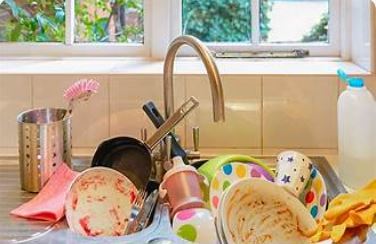
As the Yuletide and new year holidays gradually wind down, experts have cautioned that leaving dirty dishes soaking overnight can turn kitchen sinks into breeding grounds for dangerous bacteria.
Such bacteria are linked to food poisoning and other serious illnesses, microbiologists warn. They say the warm, moist conditions created by soaking plates and cutlery allow harmful microbes to multiply rapidly, increasing the risk of infection.
In the view of Jason Tetro, author of The Germ Code, “As a microbiologist, I see the kitchen sink as a haven for microbes and microbial transfer. Studies have shown that the kitchen sink is the collection place for different types of unwanted bacteria, including fecal coliforms, foodborne pathogens and even skin bacteria,” he added.
Research from Cardiff Metropolitan University, which swabbed kitchen surfaces in 46 homes across the UK, found that sinks contained more bacteria than any other area of the kitchen.
Experts said this was partly because sinks are often used to prepare raw food with many people admitting to washing poultry before cooking, a practice known to spread bacteria around the kitchen.
Among the most common microbes identified were E. coli, Enterobacter cloacae and Klebsiella pneumoniae.
E. coli, which can be fatal, typically causes fever, vomiting and diarrhoea. Research published earlier this year also linked the bacterium to a disturbing rise in colon cancer cases in people under 50.
Health experts warned that symptoms of Shiga toxin–producing E. coli include severe diarrhoea and vomiting.
The pathogen is most commonly found in ready–to–eat foods such as chopped salads, as well as undercooked meat.
They warn that leaving dishes soaking in warm water overnight creates the perfect environment for bacteria to thrive, increasing the risk of serious illness.
Leaving dirty plates stacked next to the sink is not risk–free either, according to Dr Brian Labus, a public health expert at the University of Nevada.
“Bacteria thrive in warm, moist environments, which is exactly what your sink is when you’re soaking dishes. But whilst dry environments might keep bacteria from growing, that doesn’t mean they can’t survive and grow later. And if you have food sitting out, it can attract bugs that can spread bacteria to the rest of your kitchen.”
To reduce the risk of food poisoning, the experts advise using a dishwasher where possible, as the higher temperatures can kill harmful microbes.
They also recommend regularly cleaning sponges in the dishwasher or microwave, where heat can destroy bacteria.
The Food Standards Agency (FSA) also advises against washing raw meat, as this can splash bacteria onto surrounding surfaces, utensils and foods.
Food safety experts warn that washing raw meat can spread germs to other foods in the kitchen – increasing the risk of food poisoning.
The warning comes amid growing concern over the scale of food poisoning outbreaks in the UK over the past year.
This includes a wave of E. coli infections linked to contaminated supermarket sandwiches.
Campylobacter is the most common cause. It typically leads to diarrhoea, nausea and vomiting that clears naturally within a week.
In severe cases, however, the infection can be life–threatening for vulnerable groups, including young children, the elderly and those with weakened immune systems.
The post Soaking dishes in sink overnight breeds harmful bacteria, researchers warn appeared first on Vanguard News.