Ramadan Talk Day 21: Seeking Laylatul Qadr
 SKAiF NewsNG SNN
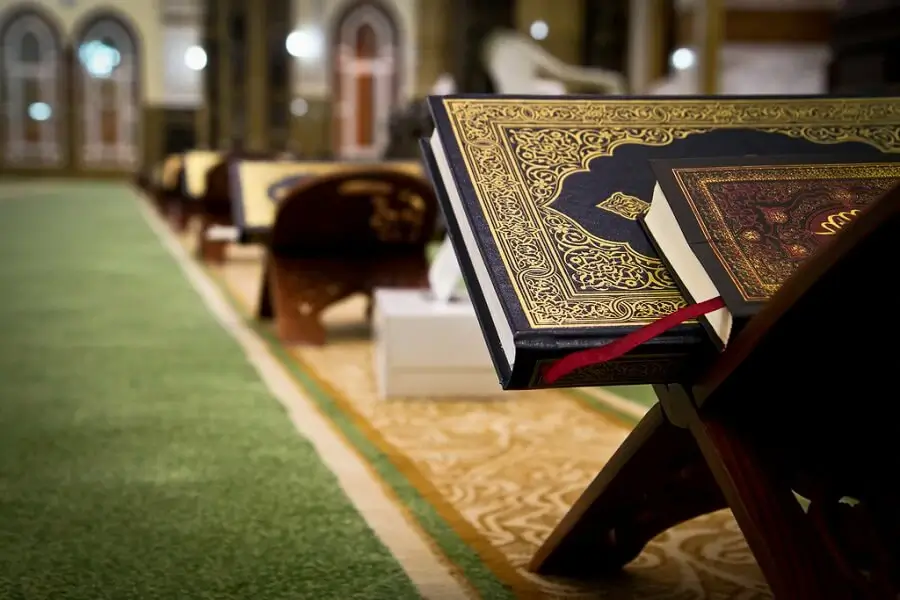
As Ramadan approaches its final days, we have entered the most spiritually intense phase of the month, seeking the Night of Decree -Laylatul Qadr. This sacred night represents one of the greatest opportunities for divine mercy and forgiveness in the entire Islamic calendar.
The conscious effort to seek Laylatul Qadr reflects a believer’s desire to draw closer to Allah and to secure immense spiritual rewards.
Allah describes the extraordinary value of this night in the Qur’an: “Indeed, We sent the Qur’an down during the Night of Decree. And what will make you know what the Night of Decree is? The Night of Decree is better than a thousand months.” (Qur’an 97:1–3).
The phrase “better than a thousand months” signifies that acts of worship performed during this single night carry rewards greater than those performed over more than eighty-three years. This immense reward demonstrates Allah’s generosity toward His servants, granting them opportunities for spiritual elevation within a limited lifetime.
Because of its importance, the Prophet Muhammad (s.a.w) encouraged Muslims to actively seek this night during the last ten nights of Ramadan, especially the odd-numbered nights. He said: “Seek Laylatul Qadr in the last ten nights of Ramadan.” (Bukhari & Muslim).
The exact date of Laylatul Qadr has been concealed by divine wisdom. Scholars explain that this encourages believers to remain devoted throughout the final nights rather than focusing on a single evening. By striving in worship consistently, a Muslim increases the likelihood of witnessing this blessed night.
The Prophet (s.a.w) himself demonstrated extraordinary commitment in seeking Laylatul Qadr. Aisha (may Allah be pleased with her) reported: “When the last ten nights of Ramadan began, the Messenger of Allah tightened his waist belt, spent the night in worship, and awakened his family.” (Bukhari & Muslim).
This narration illustrates the seriousness with which the Prophet approached these nights. He intensified prayer, remembrance of Allah, recitation of the Qur’an, and supplication. He also encouraged his family members to share in the spiritual effort.
Among the most recommended supplications during Laylatul Qadr is the prayer taught by the Prophet (s.a.e)to Aisha: Allahuma inaka afuwun tuhibul-afwa fa’ afwani “O Allah, You are Most Forgiving (pardon), and You love to pardon, so pardon me.” (Tirmidhi).
This simple yet profound supplication captures the essence of the night: seeking Allah’s forgiveness and mercy.
Ramadan reflection on seeking Laylatul Qadr reminds believers that spiritual success requires effort and sincerity.
The believer approaches these nights with humility, hope, and determination. By engaging in prayer, Qur’an recitation, charity, and heartfelt supplication, one opens the door to immense blessings.
Ultimately, seeking Laylatul Qadr is not merely about discovering a particular night; it is about reviving the heart’s connection with Allah.
Through sincere devotion during the final nights of Ramadan, a believer may attain forgiveness, spiritual renewal, and rewards that surpass a lifetime of ordinary worship. Until tomorrow when we shall meet again, Allahuma baligna lailatul Qadr. Amin.
The post Ramadan Talk Day 21: Seeking Laylatul Qadr appeared first on Vanguard News.