National Single Window drives strengthen stakeholders confidence ahead of inauguration
 SKAiF NewsNG SNN
By Godwin Oritse
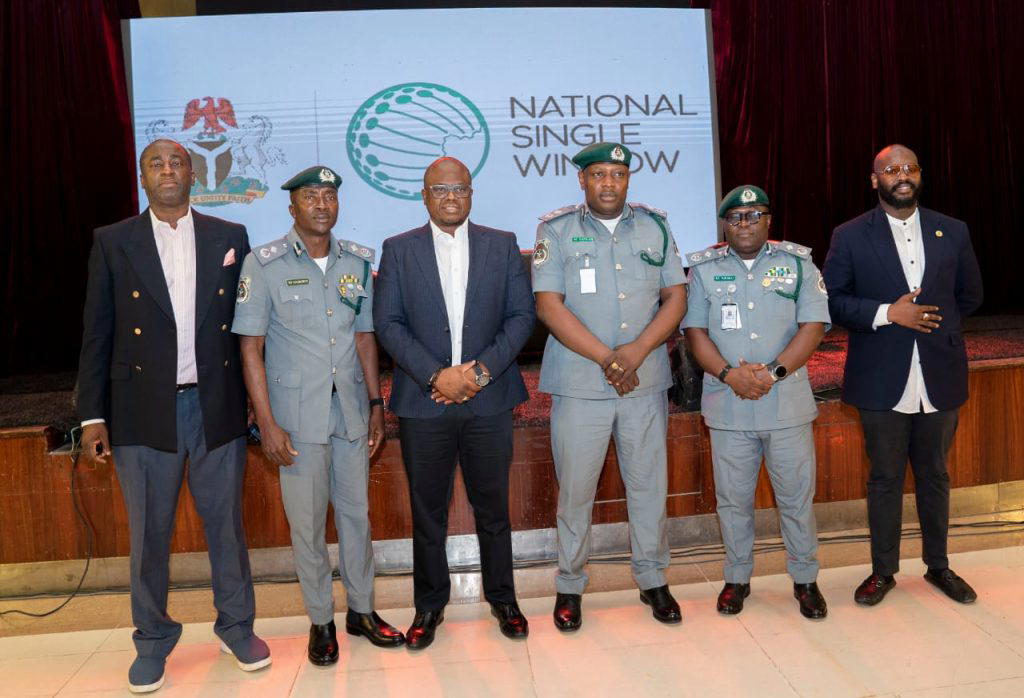
WITH the March 27, 2026 rollout of Nigeria’s National Single Window Initiative drawing closer, the National Single Window Secretariat, working with the Nigeria Customs Service, has stepped up nationwide stakeholder engagement through a series of sensitisation sessions held in Lagos, Port Harcourt, and Kano.
The outreach programme is aimed at preparing key players in the trade and logistics sector for the upcoming reform, which is expected to significantly transform the way business and cross-border trade are conducted in Nigeria.
The sensitization drive brought together officers of the Customs Service and critical stakeholders across Nigeria’s trade ecosystem, reinforcing the government’s commitment to building a seamless, technology-driven trade environment that reduces delays, enhances transparency, and strengthens Nigeria’s competitiveness in global commerce.
The engagement sessions were structured as a two-day program in each city. The first day was dedicated to officers of the Customs Service, focusing on operational readiness, platform integration, and inter-agency collaboration. The second day convened stakeholders across the trade value chain—including licensed customs agents, freight forwarders, port operators, exporters, importers, and representatives of the organized private sector.
Speaking during the engagement sessions, the Director of the National Single Window Secretariat, Tola Fakolade, emphasized that the sensitization tour was designed to ensure that both government officials and private sector stakeholders are fully prepared for the transition to a digitally integrated trade system.
According to him, the National Single Window platform represents a major milestone in Nigeria’s journey toward efficient and globally competitive trade facilitation.
“The National Single Window is not just a technology platform; it is a transformational reform designed to simplify trade processes, eliminate duplication, and significantly reduce the time it takes to complete import and export transactions,” Fakolade said.
He assured stakeholders that the platform has reached an advanced stage of readiness ahead of the scheduled launch, noting that extensive testing and stakeholder consultations have been carried out to ensure a seamless rollout.
“We are fully prepared for the March 27 go-live. What we are doing through this sensitization is to ensure that every stakeholder understands how the platform works and how it will benefit Nigeria’s trade ecosystem.”
Fakolade also addressed concerns about how the new system will interact with existing digital platforms, particularly the Customs Service’s B’Odogwu Platform.
“The National Single Window will co-exist and collaborate with the Customs B’Odogwu platform. Rather than replace existing systems, NSW will serve as the central coordinating hub that connects all relevant trade systems and agencies into one seamless digital environment,” he explained.
He noted that the integration would ensure that traders and regulators can interact with multiple government agencies through a single digital entry point, eliminating repetitive documentation and reducing administrative bottlenecks.
The sessions recorded strong participation from leading trade associations and professional bodies, including the National Association of Government Approved Freight Forwarders, the Association of Nigerian Licensed Customs Agents and Importers Association of Nigeria.
Leaders of these associations welcomed the initiative and commended the government for engaging stakeholders ahead of the implementation date, noting that the success of the National Single Window would depend largely on collaboration between government institutions and the private sector.
Representatives of the private sector including major importers, exporters, logistics operators, and trade facilitators also participated actively in the sessions, asking questions and receiving demonstrations on how the platform would streamline processes such as permits. What we are doing through this sensitization is to ensure that every stakeholder understands how the platform works and how it will benefit Nigeria’s trade ecosystem.”
Fakolade also addressed concerns about how the new system will interact with existing digital platforms, particularly the Customs Service’s B’Odogwu Platform.
“The National Single Window will co-exist and collaborate with the Customs B’Odogwu platform. Rather than replace existing systems, NSW will serve as the central coordinating hub that connects all relevant trade systems and agencies into one seamless digital environment,” he explained.
He noted that the integration would ensure that traders and regulators can interact with multiple government agencies through a single digital entry point, eliminating repetitive documentation and reducing administrative bottlenecks.
The sessions recorded strong participation from leading trade associations and professional bodies, including the National Association of Government Approved Freight Forwarders, the Association of Nigerian Licensed Customs Agents and Importers Association of Nigeria.
Leaders of these associations welcomed the initiative and commended the government for engaging stakeholders ahead of the implementation date, noting that the success of the National Single Window would depend largely on collaboration between government institutions and the private sector.
Representatives of the private sector including major importers, exporters, logistics operators, and trade facilitators also participated actively in the sessions, asking questions and receiving demonstrations on how the platform would streamline processes such as permits.
The post National Single Window drives strengthen stakeholders confidence ahead of inauguration appeared first on Vanguard News.