Most Nigerian businesses are in survival mode
 SKAiF NewsNG SNN
•Says multiple taxation, high energy costs, poor infrastructure hurting growth
By Nnamdi Ojiego
Nigeria’s private sector is passing through one of its most difficult periods in recent years, with
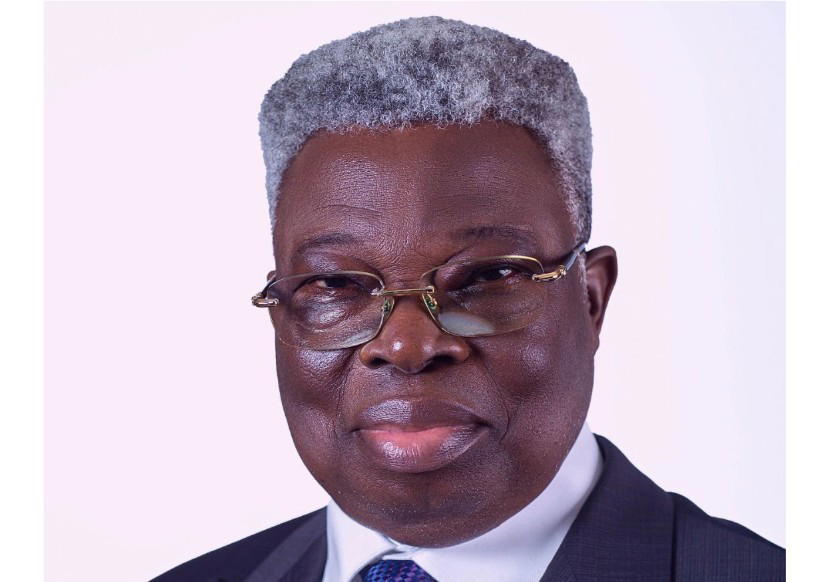
businesses battling rising energy costs, weak consumer demand, foreign exchange pressures, and limited access to affordable credit. For many operators, especially small and medium-sized enterprises, survival has become the immediate priority amid ongoing economic reforms and policy adjustments. In this interview, the President and Chairman of Council of the Lagos Chamber of Commerce and Industry, LCCI, Engr. Leye Kupoluyi, speaks on the harsh realities facing businesses, the prospects of economic recovery, the importance of policy consistency, and why infrastructure and energy costs remain major obstacles to growth. He also shares his views on foreign investment, AfCFTA opportunities, youth development, and the role of the private sector in rebuilding confidence in the Nigerian economy. Excerpts:
You assumed office at a time of significant economic adjustment in Nigeria. How would you describe the current state of the business environment?
The business environment has been very, very difficult. Difficult in the sense that, because all the indices, even before this present government came in, things that are a little bit threatening but some of those things that the government has looked around to do, including the tax policy, the trade policy, the financial sector, the trust unit, are things that are immediate challenging to businesses, but very futuristic, in the sense that it is laying the foundation for a better tomorrow. But what are the effects as of now? The effect is higher operating expenses, weak customer demand, and constrained liquidity. That is the effect we are having. But when you now look at tomorrow, what will it be? It’s like we are looking at silver lining at the end of the tunnel.
What are the most pressing concerns your members are raising at this moment?
The cumulative impact of the rise in energy costs. Right? Because of what is happening internationally. Then, the forex costs, you know, that is like a jump from where we were to where we are now in terms of value for currency, and then there is a limit to access to affordable credit. It’s like most of the banks are tightening their access to, especially SMEs, to finance their projects. Rising costs of energy, access to finance, and the general cost of doing business. Those are the challenges.
So how are small businesses and medium-sized enterprises coping with these economic pressures, particularly in a commercial hub like Lagos?
It’s quite difficult. People are relying mostly on technology. You see people trying to work from home when it is possible because cost of criss-crossing the city can be enormous in terms of cost of petrol. More importantly, many people are scaling down for survival. Most of the businesses now are in the survival mode. I mean, making the structure to survive first before the silver lining I’m talking about, if you don’t survive, then you may not be a partaker in the silver lining.
Do you see any early signs of economic stabilisation?
The signs of stabilisation we are looking for depend largely on consistency in policy. We also need to ensure that some of the perceived gains of these reforms are extended to small-scale industries because, anywhere in the world, SMEs are major employers of labour and significant contributors to GDP. More importantly, we need to retool and retrain SMEs so they can embrace technology in running their businesses. They must adopt digital tools, strengthen local sourcing strategies, and focus on cost management and survival. That is the reality many businesses are dealing with at the moment.
What policy adjustments would you recommend to ease the burden on businesses and encourage investment?
The first thing is macroeconomic stability because businesses need a stable environment for planning. Fiscal reforms must also support the productive sector, especially manufacturing, by improving access to finance. We should prioritise businesses that are export-oriented because the more foreign exchange we earn outside oil and gas, the stronger the economy becomes. Increased export earnings will improve liquidity in the economy and create more employment opportunities, as more people will be engaged in producing goods for export.
You listed some of the challenges facing businesses earlier. Let’s take energy costs for example. What practical steps should be taken to address power supply issues for businesses?
Very simple. The whole world is moving towards renewable energy, and Nigeria must develop a more sustainable policy in that direction. We should encourage local manufacturing of renewable energy components such as solar panels and batteries, while making the importation of critical components tariff-free to reduce costs. We also need to optimise the use of CNG for transportation. Most commercial vehicles should gradually move to CNG, and it must be made available across the country, not only in Lagos, Port Harcourt, Abuja, or Kano. Once this is done, transportation costs will reduce significantly. In addition, we should develop industrial clusters where power supply can be concentrated to support manufacturing. Power should become a tool for production, not just consumption.
Beyond electricity, which infrastructure gaps most urgently need attention to improve productivity?
Transportation infrastructure is very important because businesses need to move goods efficiently from one place to another. The development of rail and road networks should be a major priority. In many cases, people spend several hours waiting for flights within Nigeria, whereas an efficient rail system could move passengers and goods faster and more conveniently. A modern railway system would greatly improve efficiency and reduce the cost of doing business. So, road and rail development remain critical areas the government must focus on, alongside expanding access to CNG infrastructure.
Multiple taxation and regulatory bottlenecks are longstanding complaints. Has there been any meaningful progress in addressing these issues?
Yes. The ongoing tax reform initiative championed by the Minister of Finance is a positive step because multiple taxation has been one of the major concerns raised by businesses for years. Some businesses currently deal with dozens of different taxes and levies, depending on their sector. Very few businesses pay fewer than 17 different taxes. So, the reform effort is important. However, the process is still evolving. We need to continue reviewing the reforms carefully and make amendments where necessary because some provisions may prove counterproductive. The important thing is that government has recognised the problem and is showing willingness to engage stakeholders and make adjustments where required.
Nigeria is part of the African Continental Free Trade Area. How prepared are Nigerian businesses to compete within this framework?
Nigeria is the largest country in Africa by population, and we should be positioned to take advantage of that strength under the AfCFTA framework. A significant share of trade and commerce across Africa should naturally involve Nigerian businesses. However, we must prepare our SMEs to become export-ready, not just for Africa but for the global market. At the LCCI, we are already running programmes to train and support SMEs so their products can meet international standards and compete in supermarkets around the world. You cannot talk about AfCFTA without having quality products to export. We already have sectors doing well, particularly financial services and the creative industry. The next step is to strengthen our manufacturing sector so Nigerian products can compete across Africa and beyond.
In your view, what is holding back foreign direct investment, and how can Nigeria become more attractive to investors?
Investors are watching Nigeria closely. In recent months, we have seen some relative stability in the exchange rate and foreign reserves, which is encouraging. But investors still want to know whether these improvements are sustainable and whether government policies will remain consistent. At the moment, many investors are taking a wait-and-see approach. If we maintain policy consistency, improve security, and align more closely with international best practices, foreign investment will increase. The good thing is that we are already seeing expressions of interest from several foreign companies that want to invest in Nigeria. That is a positive sign, and I remain optimistic about the country’s prospects.
Which sectors of the economy currently show the most resilience or growth potential?
The ICT sector, especially telecommunications, remains one of the strongest and most resilient sectors of the economy. Financial services are also performing very well. We are equally seeing strong potential in the creative industry and agriculture. These are sectors Nigeria should continue to support because they have demonstrated resilience and growth potential. Another sector with enormous opportunities is renewable energy. There is increasing demand for solar and alternative energy solutions, and that market will continue to grow.
What are your key priorities as President of the LCCI?
My priority is to strengthen the resilience of the private sector and ensure that ongoing reforms translate into tangible business growth. We are also focusing strongly on supporting women-led businesses and young people. Nigeria has a very youthful population, and investing in young people today is an investment in the country’s long-term future. Beyond formal education, we must place greater emphasis on skills development. We need young people who are industry-ready, technology-driven, and professionally equipped for the future economy. Youth and women empowerment remain central to our priorities.
How does the Chamber plan to strengthen its advocacy role and deliver more value to members?
We believe strongly in evidence-based advocacy. Our research department has been strengthened to ensure that our positions and recommendations are backed by proper data and analysis. Our goal is not simply to criticise government policies but to provide practical solutions and serve as partners in progress.
Are there any new initiatives or programmes the LCCI intends to introduce under your leadership?
Yes. One of our major areas of focus is export readiness and the promotion of non-oil exports. We want Nigerian businesses to produce goods that can compete globally. Many of the challenges preventing Nigerian products from entering international markets are issues within our control, and we believe they can be addressed through proper training, standards, and capacity development. We are also investing in youth and women empowerment through skills development initiatives. For example, the BOI Innovation Hub in Ikeja provides opportunities for young people to acquire practical skills in different areas. Human capital development remains very important to us.
Looking ahead, what is your outlook for Nigeria’s economy over the next 12 to 24 months?
My outlook is based on consistency. Nigerians are naturally resilient, and if the current reforms are sustained, especially in productive sectors like manufacturing, the economy will improve. Government must continue supporting industries that drive production and employment. If that happens, we should see gradual economic growth over the next one to two years.
Finally, if you had the opportunity to advise policymakers directly on one critical action to support businesses, what would it be?
Infrastructure and energy costs should be the top priority because they affect every aspect of business activity. For example, products are still being transported across long distances by road when an efficient railway system would significantly reduce costs and improve productivity. Nigeria needs a modern transport network that connects major commercial centres across the country. We also need more investment in roads, rail, and other strategic infrastructure projects that can drive economic integration and support business growth nationwide.
The post Most Nigerian businesses are in survival mode appeared first on Vanguard News.