Iran conflict could strengthen naira, reduce borrowing — Jimoh Ibrahim
 SKAiF NewsNG SNN
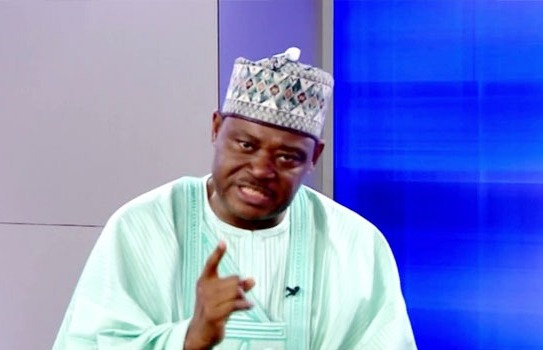
The senator representing Ondo South, Jimoh Ibrahim, has argued that the ongoing conflict in the Middle East presents a significant economic opportunity for Nigeria, particularly through higher oil revenues that could stabilise the naira, reduce borrowing, and strengthen the country’s macroeconomic position.
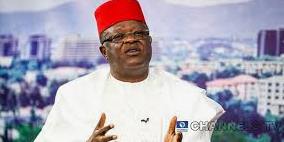
Ibrahim made the argument during an interview on Channels Television’s Politics Today on Friday, where he assessed the implications of the Middle East crisis on Nigeria’s economy, with a focus on oil and energy markets.
Asked how the conflict could affect Nigeria in relation to grains and energy, the lawmaker and businessman said: “You will have more money; that’s one thing. It will reduce borrowing. The price of the dollar may initially rise, but when you sell more oil at higher prices, you get more dollars,” he said.
Ibrahim explained that the resulting dollar inflows would empower the Central Bank of Nigeria to intervene in the black market and stabilise exchange rates, setting off a positive chain of macroeconomic effects.
“That allows the central bank to intervene in the black market and stabilise rates, making dollars more available. Once that happens, the macroeconomic effect will improve because price stability promotes a sustainable economy arising from cash inflows, not borrowed funds,” he said.
The senator also commended President Bola Tinubu’s administration for what he described as significant progress in debt management, citing a marked improvement in Nigeria’s revenue-to-debt servicing ratio.
“Right now, revenue-to-debt servicing is 68%. Kudos to Bola Tinubu. Before he came, a 96% GDP-to-revenue ratio went to debt management, meaning for every 100 naira, 96 naira went to debt. Now, you save about 38 naira in your pocket,” he said.
With oil prices nearly doubling on the back of the Middle East conflict, Ibrahim said Nigeria was well positioned to consolidate these gains.
“With oil prices almost doubling, Nigeria has more dollars to stabilise the macroeconomic system. So, I don’t think there will be much of a problem,” he added.
The senator, however, acknowledged that the crisis was not without its domestic challenges, noting that rising fuel prices could drive up transportation costs and exert pressure on the cost of living.
Despite this, Ibrahim expressed confidence in the government’s capacity to manage any adverse spillover effects, given the significant crude oil revenues now flowing into the country.
“Nigeria is a member of the geocentric system and cannot isolate itself. The government is considering policies to cushion potential impacts. They are capable of doing this because they are receiving significant revenue from crude oil,” he said.
The post Iran conflict could strengthen naira, reduce borrowing — Jimoh Ibrahim appeared first on Vanguard News.