FG: Nigeria’s debt figures inflated, Tinubu administration has not borrowed ₦80trn
 SKAiF NewsNG SNN
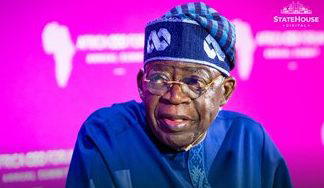
By Henry Umoru
ABUJA — The Federal Government has dismissed claims that the administration of President Bola Ahmed Tinubu has borrowed close to ₦80 trillion within its first three years in office, describing such figures as exaggerated and a product of accounting adjustments and misinterpretation of debt data.
The Minister of Finance and Coordinating Minister of the Economy, Mr. Taiwo Oyedele, gave the clarification on Monday while appearing before the Senate Committee on Finance, chaired by Senator Sani Musa (APC, Niger East), to provide updates on the state of the nation’s economy.
Oyedele was responding to questions from lawmakers, including Senator Adamu Aliero (APC, Kebbi Central), over reports that the current administration inherited a debt profile of about ₦75 trillion and had added another ₦80 trillion.
The minister explained that while Nigeria’s public debt stood at about ₦75 trillion when the administration assumed office, subsequent increases were largely influenced by currency depreciation, debt revaluation and the formal recognition of existing obligations.
“When this administration came into office, public debt was around ₦75 trillion. Many people simply compare that figure with today’s debt stock and conclude that this government has borrowed massively,” Oyedele said.
He explained that the depreciation of the naira significantly affected the naira value of Nigeria’s foreign currency-denominated debt, adding more than ₦40 trillion to the debt figure through accounting adjustments.
According to him, the securitisation of the Central Bank of Nigeria’s Ways and Means advances from the previous administration also contributed about ₦33 trillion to the official debt stock after approval by the National Assembly.
“It was not new borrowing; it was simply bringing previously existing obligations onto the official debt books,” he said.
Oyedele added that a significant portion of domestic borrowing under the current administration involved refinancing existing debts rather than creating fresh liabilities.
“Debt that was borrowed previously matures, and government raises new debt to refinance it. That is not new borrowing,” he explained.
The minister assured lawmakers that the government remained committed to responsible borrowing, stressing that funds obtained through loans were being directed toward infrastructure development and other productive investments.
“This administration has been very responsible in its borrowing. We understand the concerns of Nigerians and distinguished senators, but we remain fully committed to debt sustainability,” he said.
He added that government viewed borrowing as leverage that must generate greater economic value than the amount obtained.
Meanwhile, some senators expressed concerns over the slow implementation of the capital component of the 2026 budget, with Senator Tahir Monguno (APC, Borno North), the Senate Whip, warning that failure to implement approved appropriations could have constitutional implications.
Senator Aliero also raised concerns over the pace of budget execution.
However, the Chairman of the Senate Committee on Finance, Senator Sani Musa, assured lawmakers that the capital aspect of the budget would soon begin to reflect across the country.
Musa said the committee was working with the economic management team to improve budget implementation and align expenditure with available revenue.
He disclosed that the government was considering a shift toward performance- and priority-based budgeting to replace the existing envelope system, as well as a return to the former system of paying contractors based on verified execution of projects.
The post FG: Nigeria’s debt figures inflated, Tinubu administration has not borrowed ₦80trn appeared first on Vanguard News.