Day 12: How Nigerians are suffering from the Middle East War
 SKAiF NewsNG SNN
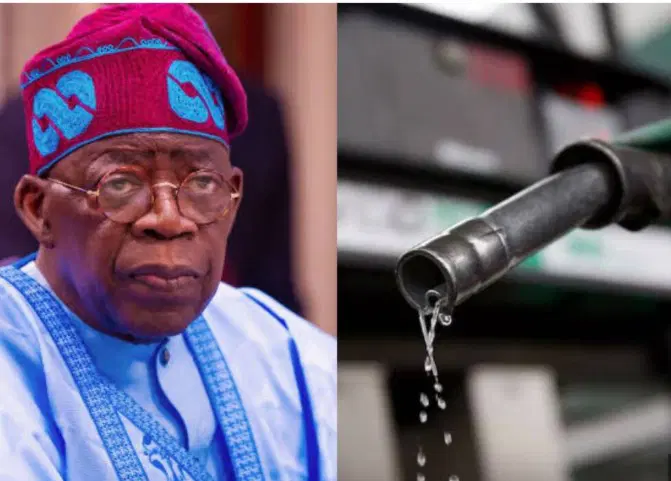
…As Depot owners, oil marketers remain adamant
The ongoing conflict involving the United States, Israel, and Iran is having ripple effects that are being felt far beyond the Middle East, including in Nigeria.
While many may assume the situation has little relevance to their daily lives, its economic consequences are increasingly affecting the livelihood of ordinary Nigerians and other Africans.
One of the sectors most impacted is the petroleum market. Since tensions escalated, the price of petrol has risen sharply. Fuel that previously sold for about ₦800 per litre is now reported in some areas to cost between ₦1,200 and ₦1,300.
The increase in fuel prices has also led to higher transportation costs, as transport operators adjust fares to reflect rising operating expenses. As a result, the burden of these price increases is being felt by many Nigerians who rely on public transportation and other services tied to fuel costs.
Despite the drop, petrol retail outlets in Abuja, the nation’s capital, yesterday retained the high pump price of petrol implemented the previous day, the fall in the price of crude notwithstanding.
Most marketers who were quick to implement an increase in petrol price twice on Monday, raised the rate from N1,092 per litre to N1,115 in the morning and finally to N1,330 per litre, have continued to retain the hike, despite the reduction.
At filling stations located in the Central Area of the city, Vanguard gathered that NNPC Retail outlets continued to dispense at N1,285 per litre, with AA Rano and AYM Shafa still selling at N1,330 per litre.
Checks on some of the bus stops in Area 8, Garki and Central Area, showed that routes which cost about N1,500 the previous day had dropped to N1,200.
Also, fare from Area 8 to Nyanya, which doubled to N1,000, on Monday evening, has reduced to N800.
Speaking to Vanguard, oil and gas sector governance expert, Mr. Henry Adigun, expressed optimism that the war in the Middle East would end soon.
He warned, however, that “it will take about four weeks from the end of hostilities for crude oil prices to come back to normal”.
The post Day 12: How Nigerians are suffering from the Middle East War appeared first on Vanguard News.