CAPITAL FLIGHT: Tinubu vows to end Nigeria’s $200m aircraft maintenance drain
 SKAiF NewsNG SNN
By Dickson Omobola
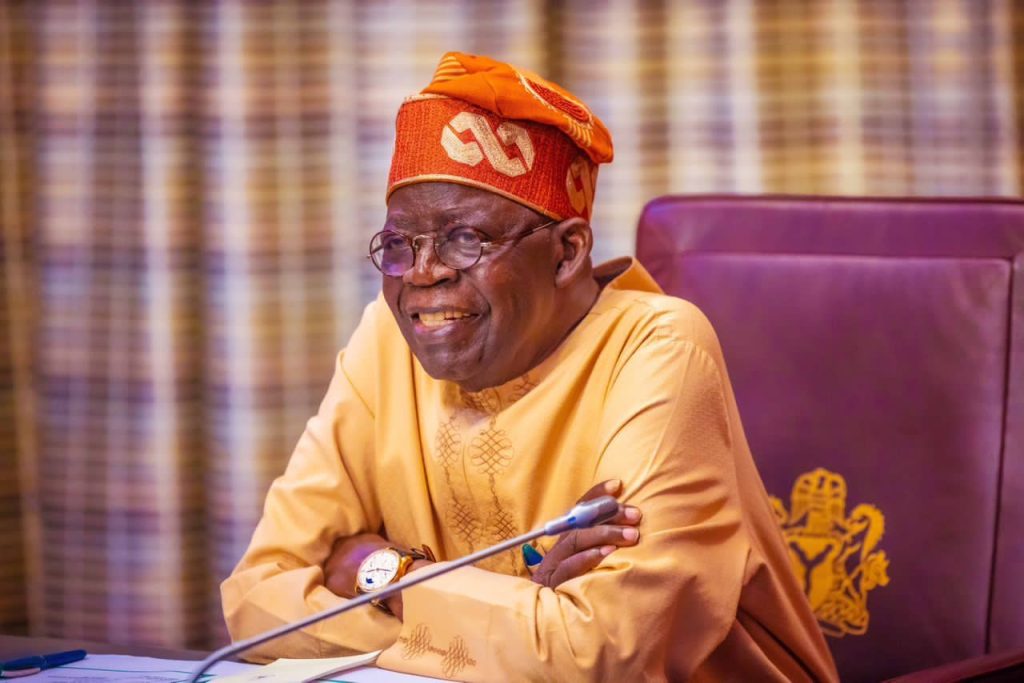
President Bola Tinubu, Tuesday, said his administration has concluded plans to curb the annual $200 million capital flight spent on overseas aircraft maintenance by domestic airlines, saying agreements have been signed with Boeing and Cranfield University to establish state-of-the-art Maintenance, Repair and Overhaul, MRO, facilities in the country.
Tinubu, represented by Secretary to the Government of the Federation, George Akume, said Aero Contractors and XEJet were leading the transformation with new hubs in Lagos and Abuja.
The President, who spoke in Abuja at the Inaugural Nigeria International Airshow, also said aviation now contributes 2.5 per cent to Nigeria’s Gross Domestic Product, GDP, supported by 20 airports, 23 domestic airlines, just as the sector’s annual revenue was expected to reach $2.58 billion.
He said: “Nigeria’s Aviation Journey has been from humble beginnings to global ambitions. Our aviation sector has come a long way. In 2025, Nigeria celebrates 100 years of aviation history, and this airshow marks a new chapter. Consider these milestones. Nigeria handled 15.89 million passengers in 2023, and projections by the NCAA show this will rise to 25.7 million by 2029, with annual revenue expected to reach $2.58 billion.
“The Federal Government is investing heavily in modernization. Six major airports and multiple runways are undergoing upgrades, including a N712 billion refurbishment of Lagos Murtala Muhammed Airport.
“Nigeria now ranks number one in Africa for compliance with international aviation standards, improving its Cape Town Convention score from 49.5 per cent to 75.5 per cent, enabling airlines to access low-cost aircraft financing.
“We have signed agreements with Boeing and Cranfield University to establish state-of-the-art MRO facilities, reducing the $200 million annual capital flight for overseas maintenance. Aero Contractors and XEJet are leading this transformation with new hubs in Lagos and Abuja.
“Air Peace resumed Lagos–London flights after five years, and new Bilateral Air Services Agreements have brought Emirates and Uganda Airlines back to Nigeria. Aviation now contributes 2.5 per cent to Nigeria’s GDP, supported by 20 airports, 23 domestic airlines, and thousands of skilled professionals.
“Our goal is clear: to make Nigeria the aviation hub of West and Central Africa. Through public-private partnerships, investments in training centers, and plans for aircraft component manufacturing, we are building a sustainable ecosystem that creates jobs, drives innovation, and strengthens our economy.”
The post CAPITAL FLIGHT: Tinubu vows to end Nigeria’s $200m aircraft maintenance drain appeared first on Vanguard News.