Beyond taxing plastics makers
 SKAiF NewsNG SNN
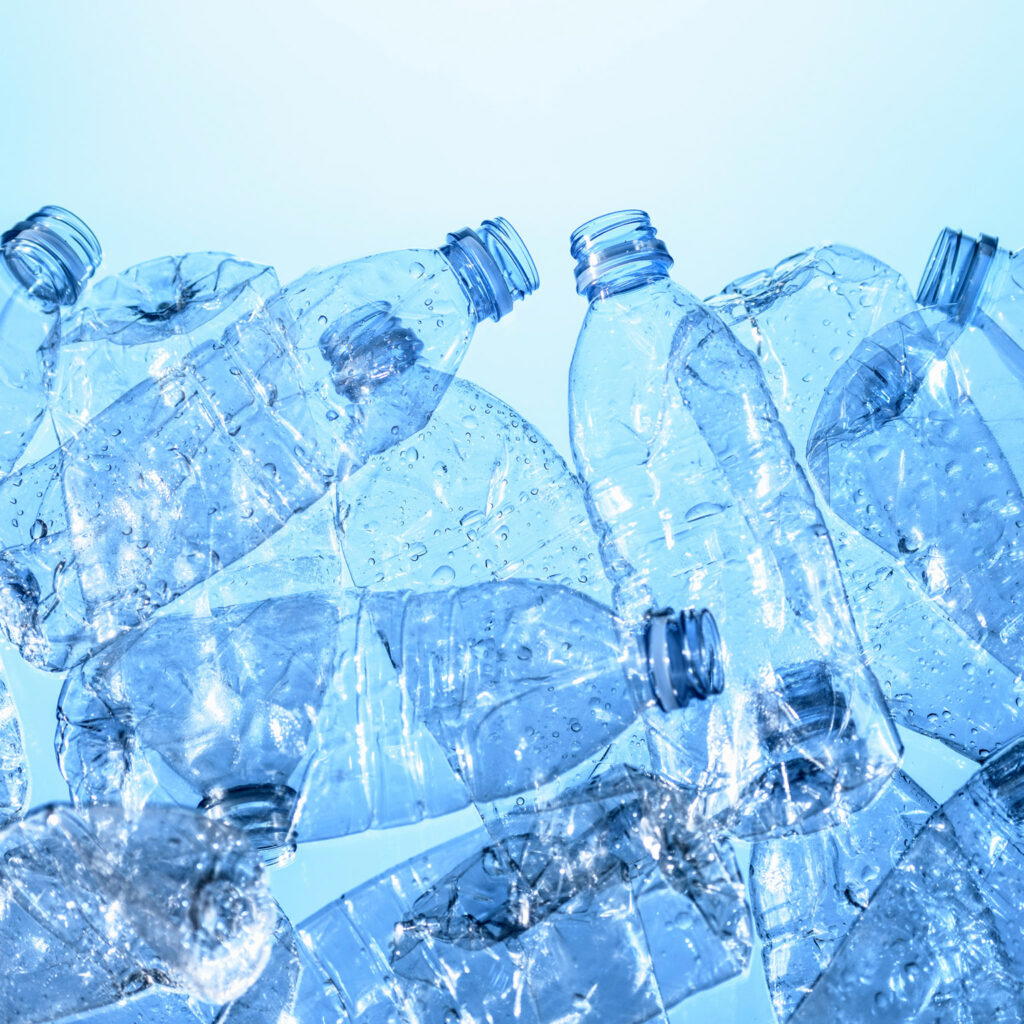
The need for an Act to regulate the manufacture, use and control of plastic products (polyethylene and polypropylene) has dawned on the House of Representatives, leading to the creation of the Committee on Preparedness for Single-Use Plastics Ban in Nigeria.
According to the Committee’s Chairman, Terseer Ugbor, a Bill to that effect is in the making. Plastic waste is one of the worst environmental pollutants. Due to its widespread use for packaging, plastics of all sorts are everywhere: in the drains, rivers and oceans; choking wild life, leaching toxins into consumable items, threatening ecosystems and human health throughout the world. They also exist in the form of micro-plastics in the bloodstream.
According to the United Nations Environmental Programme, UNEP, over 400 million tonnes of plastics are produced annually. Less than 10 per cent of this is recycled. Because these hydrocarbon derivatives are cheap to manufacture, in great demand and not being controlled enough in most countries, they have become a major environmental hazard. During the manufacturing process, plastics emit benzene, a very toxic gas that causes cancer and respiratory diseases.
To create a befitting policy framework to tackle the menace, Ugbor says his committee will synergise with the Federal Ministry of Environment and the National Environmental Standards and Regulation Enforcements Agency, NESREA. One of the control measures being proposed by the committee is a “green tax” and the integration of plastic waste recycling into the nation’s waste management system.
If the main focus of the Committee’s effort is to ensure proper regulation of plastics in Nigeria, a “green tax” should be one of the components, not the main focus. Given that in today’s industrialised world we cannot do without the use of plastics products, we should focus on limiting health hazards and environmental sustainability without harming the industry itself.
For instance, major plastics manufacturers can be encouraged by policy to also create recycling plants or pay the “green tax” (or both). Recycling and transformation of plastic waste into wealth should be vigorously encouraged and incentivised. The system of collection of wastes should be carefully standardised and regulated for safe operation.
There is a lot of this waste to wealth opportunity, and many young Nigerians are already involved. Some gather and sell to big collectors, who in turn resell to recycling plants. They can be melted and transformed into plastic lumber, interlocking stones, durable boards for park benches, fences and decking. They can be turned into fibre textiles and even mixed with bitumen for road construction.
It is unfortunate that in Nigeria, government officials merely pay lip service to this kind of issue. Laws are made, but little effort is applied for their diligent enforcement. Government agencies established to implement them are largely ineffective.
The challenge goes beyond law making and imposition of taxes.
The post Beyond taxing plastics makers appeared first on Vanguard News.