
What Retail Loyalty Programs Can Learn from Online Casino Bonus Algorithms
 SKAiF NewsNG SNN
Most retail loyalty programs feel rigid. They rely on ordinary coupons and predictable point systems. But online casinos use flexible reward algorithms to keep players engaged. These systems change in real time and adapt to each user. Retailers can gain valuable insight from this approach and renew their own loyalty strategies.
Contextual Rewards — Not One-Size-Fits-All
Online casinos never send the same bonus to every player. A new visitor gets a welcome incentive. A loyal player receives a refined offer that matches their personal rhythm. These bonuses change based on behavior, time of day, and even device type. Retailers can use the same architecture. Instead of distributing a general 10% coupon, brands can craft subtle offers using real user data. A shopper who browses high-end products at night should receive a tailored incentive at that exact moment. This type of precise timing improves relevance and increases conversion. Some analytical platforms even review specific offers such as the 300% bonus casino to understand how high-value incentives influence user response. In many cases, the goal is not to promote the reward, but to observe decision-making patterns and improve overall retention.
Real Urgency That Feels Authentic
Most “flash sales” in retail are overused and predictable. Consumers often ignore them. Online casinos handle urgency differently. They use strict expiration windows. A bonus may expire in 60 minutes, and the customer knows it. This creates a genuine sense of loss. Retailers should use the same mechanism. Instead of a vague weekend sale, they can offer a personal two-hour deal linked to the customer’s own activity. It feels real. It motivates faster action.
Loyalty Built on Segmentation — Not Volume
Casino platforms segment users into very precise groups. They look at deposit frequency, spending patterns, and tolerance for risk. Each group gets a completely different reward structure. Retailers can apply the same structure. High-frequency, low-value buyers respond well to small but steady discounts. High-value buyers with lower frequency prefer exclusive bundles and early access to fresh products. Seasonal buyers react better to curated selections and time-sensitive offers. Once loyalty feels personal, engagement begins to rise.
Transparent Incentives Create Trust
Players often complain when bonus rules are unclear or buried in fine print. Clear and visible conditions build credibility and improve long-term retention. Retailers still hide restrictions behind small text. A “20% off” coupon that excludes major categories feels disappointing. A smaller but transparent discount performs better and reduces friction. Simple language removes doubt and builds loyalty over time.
Continuous A/B Testing — Not Static Systems
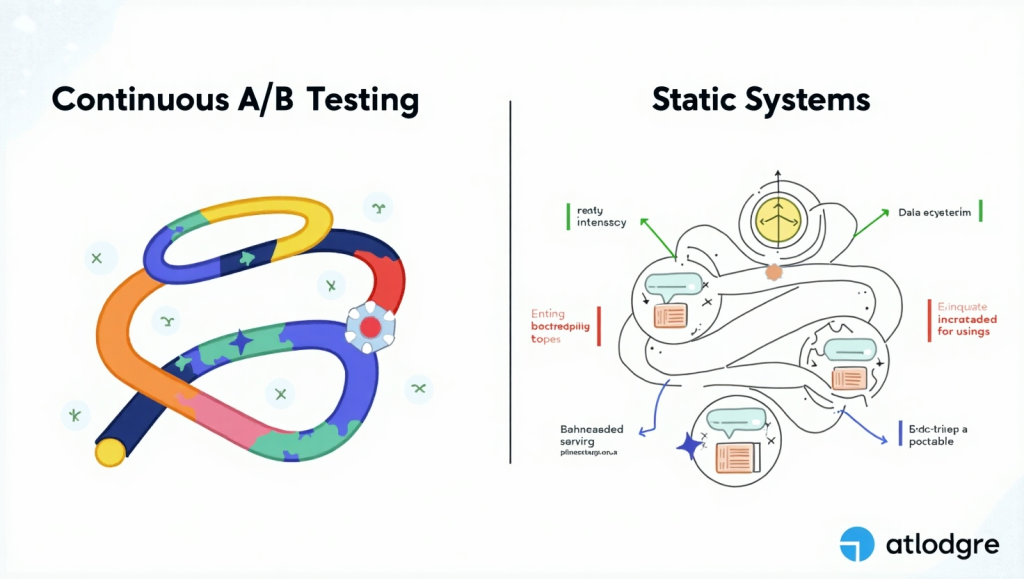
Casino rewards are tested in real time. If a bonus performs poorly, it gets replaced without delay. The best version gets rolled out to more users, and the testing continues. Retail loyalty programs need the same iterative mindset. Even small changes — adjusting a 10% discount to 12%, or reducing an offer window from two hours to one — can lead to stronger customer engagement. The key is to keep testing and refining.
Conclusion
Online casino bonus systems are precise, dynamic, and user-focused. They rely on real-time data, segmented incentives, and authentic urgency. Retailers who adopt these same mechanics can turn plain loyalty programs into powerful engagement tools. In a saturated market, these subtle, adaptive strategies can make the difference between a forgettable interaction and a loyal customer.
The post What Retail Loyalty Programs Can Learn from Online Casino Bonus Algorithms appeared first on Vanguard News.









