Venezuela: NIIA, foreign policy experts slam US strike, Maduro’s capture
 SKAiF NewsNG SNN
..Say action raises concern over new form of imperialism
By Nkiruka Nnorom
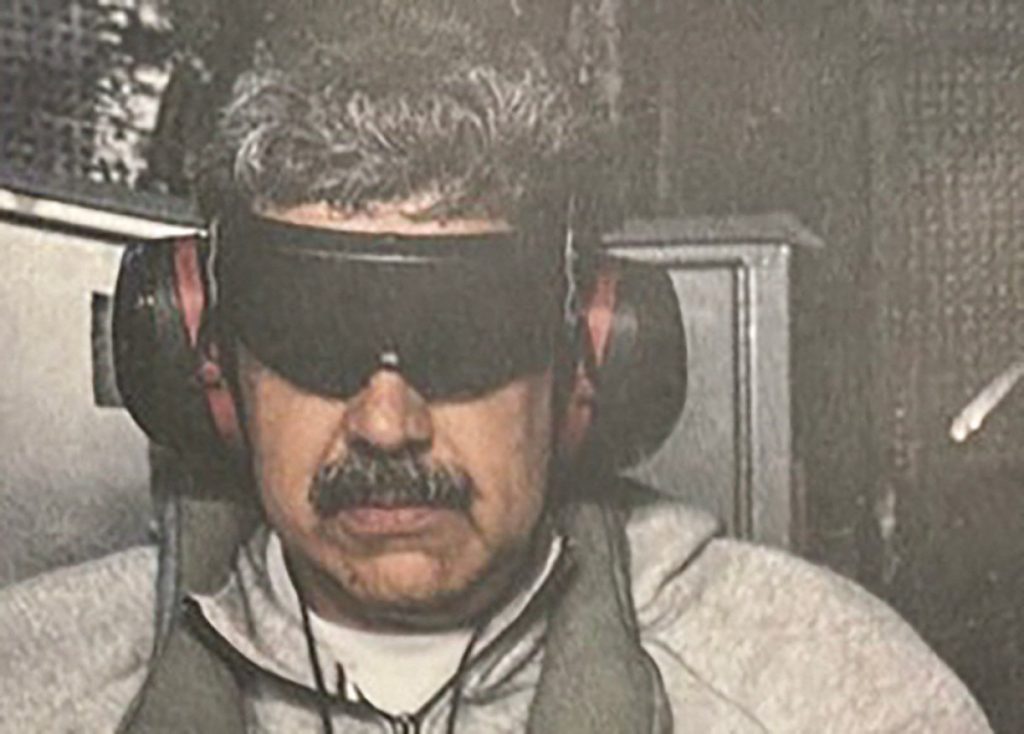
AS the condemnation over the recent US invasion of Venezuela and capture of its President, Nicholas Maduro, continues to grow, the Nigerian Institute of International Affairs, NIIA, and other foreign policy experts in Nigeria have taken a swipe at President Donald Trump, saying his action raised concern about growing trend of imperialism by global superpowers and global stability.
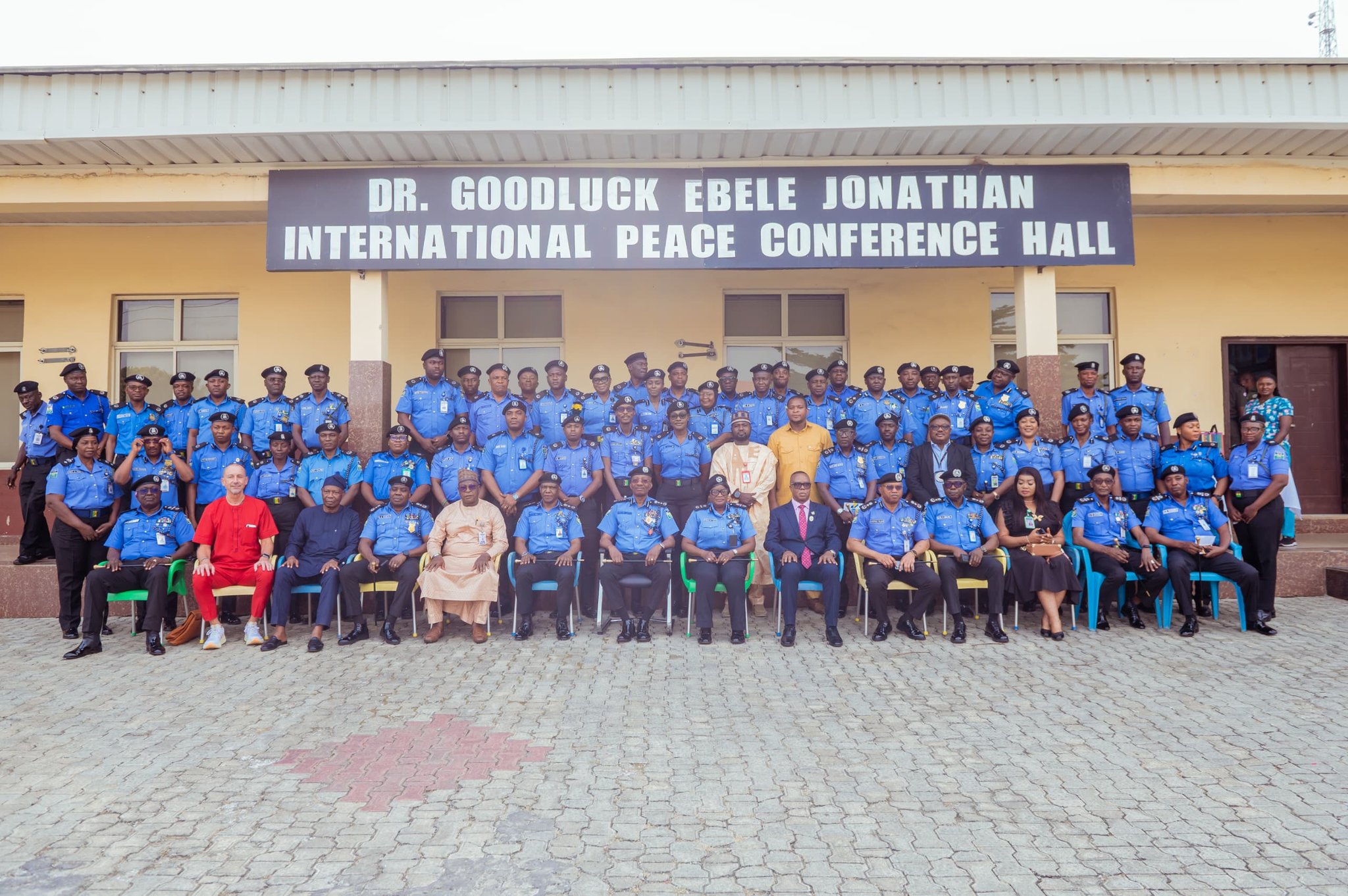
The experts, who include Professors Eghosa Osaghae, NIIA DG; Bolaji Akinyemi, Chairman, NIIA; Adele Jinadu, Professor of Political Science and Non-Resident Fellow, Centre for Democracy and Development, CDD; Femi Otubanjo, Research Professor at NIIA, and Remi Ajibewa, former Director of Political Affairs, ECOWAS, spoke yesterday at NIIA Special Roundtable on recent US invasion of Venezuela and Maduro’s capture, titled: “Matter Arising from US Interventions in Venezuela.”
Others are Amb. Joe Keshi, former Permanent Secretary at the Ministry of Foreign Affairs and a prominent Nigerian diplomat, Dr. Rita Agu of NIIA, Femi Ojumu, an International Policy Expert, Kayode Komolafe, a foreign policy expert and Magnus Onyibe, a Public Policy Analyst.
They decried what they described as Trump’s endorsement of the philosophy of might is right, warning that such actions could set a dangerous precedent with other powerful countries, including China, North Korea and Russia following suit.
They emphasised the importance of respecting international law and the principles of sovereignty, territorial integrity, and non-interference in domestic affairs of sovereign nation-states.
They, however, agreed that the development was a lesson for other countries, especially African countries to properly manage their affairs, prioritize citizens welfare and entrench good governance to maintain their sovereignty.
We’re all endangered —NIIA DG, Eghosa
Prof Eghosa, who led the Dialogue, questioned whether the US actions in Venezuela signified a new form of imperialism, emphasising that the global south, including Africa, was endangered by such actions.
Osaghae dismissed the notion that geography and distance would prevent similar actions from happening in Africa, arguing that imperialism could be both near and distant.
Calling for respect for international law and sovereignty, he said: “What is happening is sending shockwaves around the world and people are asking us some questions on what is going on? Is it a new form of imperialism?”.
Trump jeopardising world order—Keshi
Speaking, Keshi criticised the US for its double standards in international relations, pointing out that the US now violates the laws it helped to write and had a history of interventionism.
He argued that the US has grown too powerful and emboldened, with other countries dependent on it, noting that this has led to a lack of accountability.
Keshi emphasised the importance of countries developing their own capacity and capability to defend themselves, rather than relying on others.
He said: “The truth remains that as of today, nobody can stop the United States, except all countries of the world decide that they are going to quietly build up their capacity and capability so that collectively, they can deter the operations of the United States.”
It’s arrogance of power —Jinadu
Positing that Trump’s action was an arrogance of power, Prof. Jinadu said there’s the need for the Third World countries to enhance their solidarity and create a third neutral force in the world order to counterbalance the existing power dynamics.
He advocated strengthening the BRICS and reviving the idea of a Concert of Medium Powers to promote a more equitable global order.
It’s collapse of rationality —Otubanjo
Also speaking, Prof. Otubanjo criticised the US foreign policy under Trump, arguing that it has become irrational and driven by domestic politics.
He emphasised the importance of oil in the conflict, with the US seeking to regain control of Venezuela’s oil reserves
Raises dangerous precedent for int’l law, global affairs— Ojumu
In his submission, Ojumu criticised the US for violating international law and disregarding the sovereignty of other nations, citing examples such as the invasion of Iraq in 2003, drone strikes in Yemen and Somalia, and the capture of Venezuelan President Nicolás Maduro.
He, therefore, proposed strategic options for the United Nations and the global community, including reforming and democratizing the UN Security Council, re-emphasizing effective and transparent leadership, and rejecting hegemonic approaches to foreign policy.
US driven by desire to control resources— Komolafe
Komolafe criticised the logic of capitalism and imperialism, arguing that the US was driven by a desire to acquire wealth and control resources, without regard for the consequences or morality.
He warned that the US actions in Venezuela have implications for global stability and the world order, stressing that other countries may follow suit in pursuing their own interests without regard for international law.
Speaking on the legal implications of the US action, Dr. Rita Agu said: “US invasion of Venezuela or arrest of its sitting president and first lady by the United States is unlawful. The only sustainable solution lies in strict adherence to the UN Charter, respect for immunity and sovereignty, multilateralism and peaceful dispute settlement. This approach safeguards not only Venezuela but the integrity of the international legal order itself.”
The post Venezuela: NIIA, foreign policy experts slam US strike, Maduro’s capture appeared first on Vanguard News.