Ramadan Talk Day 30: Eid-ul-Fitr Etiquettes: Dos, and Don’ts
 SKAiF NewsNG SNN
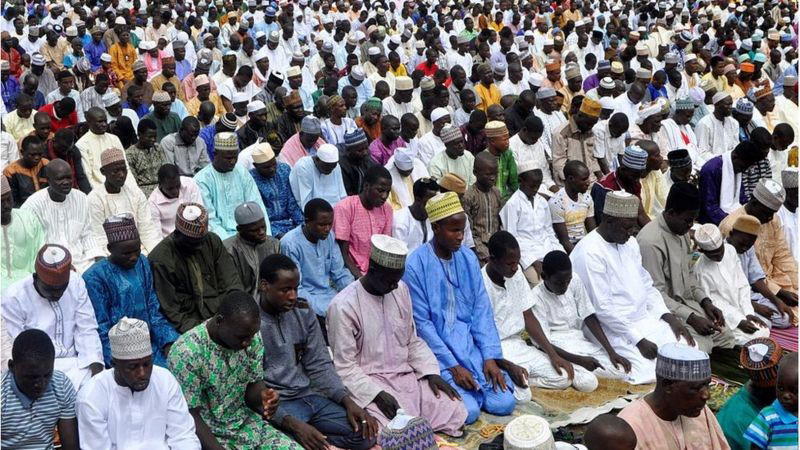
Eid-ul-Fitr marks the joyful conclusion of Ramadan, a time for celebration, gratitude, and communal worship. It is a day we glorify Allah for enabling us to complete a month of fasting, prayers, and good deeds. However, Islam emphasises that this celebration is not merely a festive occasion; it carries specific etiquettes and guidelines to ensure the day remains spiritually rewarding.
Among the most important do’s of Eid is giving Zakatul-Fitr before attending the Eid prayer. The Prophet Muhammad (s.a.w) said:
“Zakatul-Fitr is a purification for the fasting person from vain speech and indecent deeds and a means to feed the needy.” (Abu Dawud, Ibn Majah)
This obligatory charity ensures that the less fortunate can also partake in the joy of Eid. Another Sunnah is eating a light meal before going for the Eid prayer. This differentiates Eid from the daily fasts of Ramadan and celebrates the blessings of Allah.
Personal hygiene and presentation are also emphasised. Performing Ghusl (ritual bath), wearing one’s best clothing, and using perfume reflect respect for Allah’s blessings and the sacredness of the occasion. At the prayer ground, believers are encouraged to glorify Allah, recite tasbih, and engage in dhikr while waiting for the prayer.
The Eid prayer itself is performed in congregation, consisting of two rak‘ah, followed by the Khutbah (sermon).
Attending the sermon is essential, as it contains reminders of gratitude, unity, and social responsibility. Muslims are encouraged to listen attentively, return home glorifying Allah, and continue celebrating with family and community.
Equally important are the don’ts of Eid. Upon reaching the Eid ground, one should not perform nafl (extra voluntary prayers) before the congregation; only the two-rak‘ah congregational prayer is required. After the prayer, believers should not rush away; instead, they should listen to the sermon and return home in a spirit of reflection and gratitude. This ensures the day’s worship is properly observed.
Eid is also a time to celebrate responsibly. Eating and drinking are encouraged, but excess and indulgence are discouraged. The focus should remain on thanking Allah for His mercy, sharing joy with others, and demonstrating humility and generosity.
In essence, Eid-ul-Fitr is both a festival and a spiritual milestone. By observing the do’s—Zakatul-Fitr, eating before prayer, performing Ghusl, dressing well, glorifying Allah, and attending the two-rak‘ah congregational prayer—and avoiding the don’ts, believers maximise both the spiritual and social benefits of this blessed day. Eid is a time to rejoice, reflect, and continue the spiritual growth cultivated during Ramadan, all while expressing gratitude to Allah for His countless blessings.
Appreciation
As we draw the 1447. A.H Ramadan to a close, on behalf of Vanguard Media Limited, we extend our heartfelt gratitude and appreciation to all our readers. Thank you for staying with us throughout this sacred period, engaging with our daily Ramadan Talk, and allowing us to share guidance, reminders, and insights with you. Your loyalty to this column and the newspaper inspires us greatly.
On this joyous occasion of Eid-ul-Fitr, we pray that Allah accepts all our fasts, prayers, and sadaqah, forgives our sins, and fills our lives with His mercy and blessings.
May your celebrations be filled with peace, love, and harmony, and may the spirit of Ramadan continue to illuminate your hearts throughout the year.
Eid Mubarak to you and your families! Celebrate with gratitude, share generously with those in need, and rejoice in the countless blessings Allah has bestowed upon us. Till we meet again next Ramadan insha’Allah, salamun alaikum waramotullahi wabarakatuh.
The post Ramadan Talk Day 30: Eid-ul-Fitr Etiquettes: Dos, and Don’ts appeared first on Vanguard News.