Mitigating rising cost of air travel in Nigeria
 SKAiF NewsNG SNN
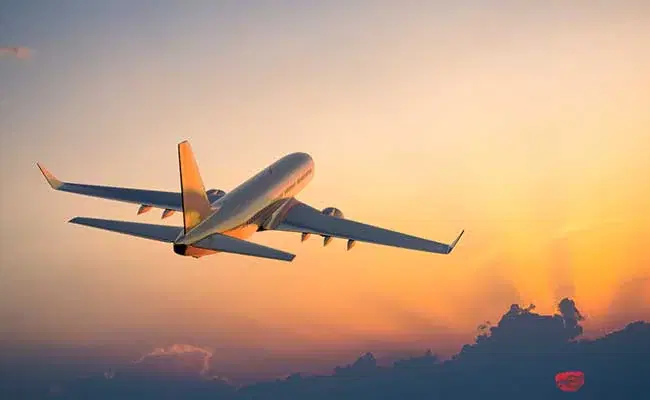
At the centre of a recent heated debate in the National Assembly was a troubling and unavoidable question: How are Nigerians expected to travel home for Christmas and New Year when a one-way domestic flight now costs as much as N450,000?
What began as a gradual climb in prices has now become a full-blown crisis. Air travel, once accessible to business travellers and middle-income households, has morphed into a luxury reserved for only the privileged.
This alarming surge in air fares has exposed deep structural weaknesses within Nigeria’s aviation ecosystem.
It has also raised pressing questions about economic management, regulatory oversight, and the broader health of the national economy.
While the National Assembly has summoned the Minister of Aviation, Festus Keyamo, and other key industry stakeholders, the Executive Chairman of United Nigeria Airlines, Obiorah Okonkwo, has already identified one of the major culprits: multiple taxation and excessive charges. According to Okonkwo, airlines face up to 18 different taxes on a single ticket, with as much as 70 per cent of the revenue going to government agencies.
In many countries, taxes and surcharges constitute a modest portion of air fare. In Nigeria, by contrast, levies are reportedly spread across four major bodies—the NCAA, FAAN, NAMA, and FIRS, creating a heavy fiscal burden that inevitably trickles down to passengers. But the problem runs deeper than taxation. Domestic airlines are suffocating under the weight of high aircraft leasing costs, maintenance fees, insurance premiums, and crippling currency volatility.
Meanwhile, aviation fuel (Jet A1), which accounts for more than 40 per cent of airline operating expenses, has risen sharply. Together, these factors form a cost spiral that consumers ultimately bear. The consequences are far-reaching. High air fares stifle mobility, restrict economic activity, and limit opportunities for small business owners and professionals.
The tourism sector suffers as Nigerians shelve travel plans for festivals and major cultural events. Even the health sector is strained, as medical travel and emergency flights become increasingly unaffordable.
Nigeria is a vast nation, and with worsening insecurity and deteriorating road networks, air travel is not a luxury, it is a necessity. When flights become inaccessible, productivity declines, regional integration weakens, the north–south divide deepens, and internal commerce slows dramatically.
The National Assembly must therefore move decisively. Streamlining aviation taxes and charges is an essential first step toward easing operational pressure on airlines and reducing ticket prices. Equally important is boosting local refining capacity for aviation fuel, which would help stabilise costs and shield the sector from global price shocks. The rising cost of air travel is not merely an aviation problem, it is a national development challenge.
Government, regulators, and industry stakeholders must act urgently to restore affordability, accessibility, and confidence in Nigeria’s aviation sector.
The post Mitigating rising cost of air travel in Nigeria appeared first on Vanguard News.