Middle East war: Nigeria earns more dollars as Nigerians reel under staggering cost of living
 SKAiF NewsNG SNN
•How higher energy and input costs could impact manufacturing, aviation,
logistics, consumer goods companies – Muda Yusuf, expert
•Says foreign portfolio flows could weaken if global financial tightening intensifies
By Nnamdi Ojiego
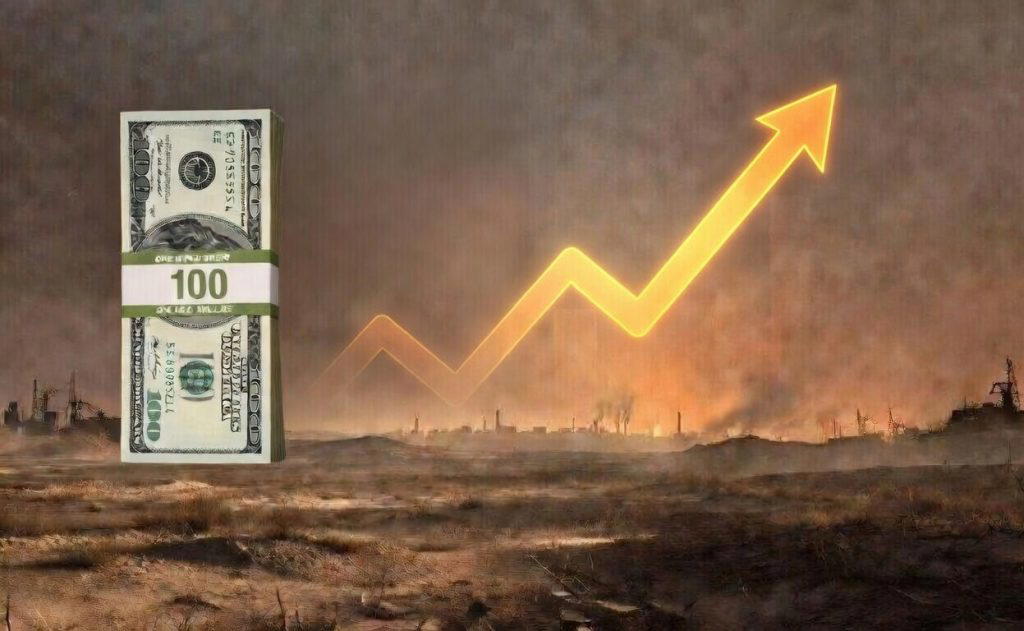
The war raging in the Middle East has contradicting effects on Nigeria and Nigerians. Whereas the government is recording a windfall as the country makes more money from the rise in the price of crude at the international market, the situation has also led to an increase in the price of petroleum products available to Nigerians.
Before the war started, crude sold for 60 dollars per barrel before jumping to almost 120 dollars per barrel and then sliding to around 90 dollars.
The news of the release of about 400 million barrels into the market by the G7 nations from their strategic reserves was not enough to calm the volatility in the market as by Wednesday, crude was selling above 100 dollars.
The argument behind this is that the quantity is not enough to meet the demands of the market. The world, according to analysts, consumes over 100 million barrels of crude per day.
What this means is that the 400 million crude due to be released by the G7 nations will only last about four days. So much uncertainty on crude price as long as the war rages and the Strait of Hormuz where about 20 percent of oil transits from the Middle East to the rest of the world remains difficult to pass because of the fear of attacks on ships.
While crude sells around 100 dollars up from the 60 dollars it sold for before the US and Israel attacked Iran on February 28 to trigger the war, Nigeria effectively makes about 40 dollars extra per barrel.
The country produces between 1.4 million and 1.6 million barrels per day.
By contrast, petrol price hovered around N800 per litre before February but now sells around N1, 300, thus raising the price of everything from transport fares to foodstuffs, medicines and manufactured items.
Meanwhile, there is a demand in some quarters that government should cap the prices of petroleum to ensure that the ongoing spike doesn’t further hurt the people.
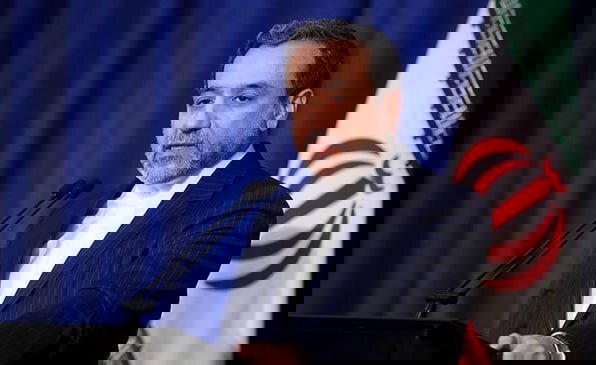
Dr. Muda Yusuf, Chief Executive Officer of the Centre for the Promotion of Private Enterprise (CPPE), painted the conflicting situation vividly when he suggested that whereas Nigeria earns more dollars, Nigerians are bound to suffer because of a spike in the prices of petroleum products which will ultimately affect the cost of living and has the multiplier effect of more people sinking into poverty.
“For Nigeria, every increase in crude oil price translates into additional export earnings and fiscal revenues”, the former Director General of Lagos Chamber of Chamber and Industry said in a note he sent to Sunday Vanguard.
But he quickly noted: “Nigeria operates a deregulated downstream petroleum regime. Higher international crude prices feed directly into higher petrol, diesel and aviation fuel costs.
“With purchasing power already fragile, sustained increases in fuel prices could intensify cost-of-living pressures and deepen poverty levels.
“Manufacturing, aviation, logistics, and consumer goods companies may face margin compression due to higher energy and input costs.
“Foreign portfolio flows could weaken if global financial tightening intensifies”.
In the note titled, IMPLICATIONS OF THE IRAN–U.S.–ISRAEL CONFLICT ON THE NIGERIAN ECONOMY, Yusuf enumerated six recommendations the Nigerian government should implement to address the issues, including the deployment of targeted social protection for Nigerians: “Cushion vulnerable households against energy-driven inflation shocks”.
“The escalating conflict involving Iran, the United States, and Israel has injected a new wave of geopolitical risk into the global economy”, the analyst said in his opening statements.
“Energy markets are the first transmission channel. Of particular strategic importance is the Strait of Hormuz, through which roughly 20 percent of global crude oil supply is transported daily.
“Any disruption to this corridor has immediate implications for global oil prices, shipping costs, insurance premiums, and supply chains.
“There is also the output disruption effect, as Middle East countries are major oil producers.
“For Nigeria, an oil-dependent economy where crude accounts for over 85 percent of export earnings and about half of government revenue, the implications are significant.
“The effects will be both positive and adverse, depending on the duration of the conflict and the quality of domestic policy responses”.
Oil Price Dynamics: Revenue Upside Amid Production Constraints
On revenue upside, Yusuf said: “Geopolitical tensions in the Middle East historically trigger sharp increases in crude oil prices due to fears of supply disruptions. “Even speculative risks around the Strait of Hormuz typically generate price volatility of $5–$15 per barrel within short periods.
“For Nigeria, every increase in crude oil price translates into additional export earnings and fiscal revenues. The immediate benefits include:
Higher crude export receipts·
Improved foreign exchange inflows·
Strengthenin·g of external reserves
Increased FAAC allocations to all tiers of government·
“However, revenue gains are critically dependent on production levels. Nigeria’s current crude output has fluctuated around 1.4–1.6 million barrels per day, below installed capacity and vulnerable to oil theft, pipeline vandalism, and underinvestment in upstream infrastructure.
“Without a sustained improvement in production efficiency and security, Nigeria may not fully optimise any price windfall.
“There is also a medium-term risk. If the conflict escalates and dampens global growth, oil demand could weaken, leading to price corrections. The fiscal upside is therefore inherently fragile”.
Exchange Rate Implications and Capital Flow Risks
On exchange rate implications and capital flow risks for Nigeria, the CPPE boss said: “Higher oil prices typically strengthen Nigeria’s current account balance and improve foreign exchange liquidity.
“This could reduce short-term pressure on the naira and reinforce investor confidence.
“In recent years, exchange rate stability has been closely tied to oil receipts and capital inflows.
“Improved export earnings could:
Boost gross external reserves·
Enhance FX market liquidity·
Reduce speculative pressure on the currency·
“However, geopolitical instability also triggers global risk aversion.
“During periods of uncertainty, capital tends to migrate toward safe-haven assets such as U.S. Treasury securities and gold.
“Emerging markets frequently experience portfolio outflows in such episodes.
“Given Nigeria’s relatively shallow capital market and sensitivity to foreign portfolio investment, volatility in global financial conditions could offset part of the FX gains from higher oil prices.
“The net exchange rate impact will therefore depend on the balance between stronger oil inflows and potential capital reversals”.
Inflation Transmission and Welfare Pressures
On inflation transmission and welfare pressures, Yusuf stressed: “The most immediate domestic risk lies in inflation transmission.
“Nigeria operates a deregulated downstream petroleum regime.
“Higher international crude prices feed directly into higher petrol, diesel and aviation fuel costs.
“The likely channels include:
Rising pump prices·
Increased transportation/logistics costs·
Higher food distribution expenses·
Escalating manufacturing and logistics co·sts
“Energy costs have a strong multiplier effect in Nigeria’s inflation dynamics.
“Transportation and food prices account for a significant share of consumer expenditure.
“With purchasing power already fragile, sustained increases in fuel prices could intensify cost-of-living pressures and deepen poverty levels.
“Thus, while government revenues may rise, household welfare could deteriorate—creating a divergence between fiscal gains and social outcomes”.
Implications for the Capital Market
Speaking on the implications for the capital market, he said: “The Nigerian capital market is likely to experience differentiated sectoral impacts.
“Upside Risks:
Oil and gas equities may benefit from improved earnings expectations and stronger investor interest in energy-linked assets.
“Downside Risks:
Manufacturing, aviation, logistics, and consumer goods companies may face margin compression due to higher energy and input costs. Foreign portfolio flows could weaken if global financial tightening intensifies.
“Short-term volatility in equity and fixed-income markets is therefore expected to increase”.
Fiscal Management: Fiscal Consolidation Opportunity
On fiscal consolidation opportunity, Yusuf said: “Nigeria’s fiscal history demonstrates that oil windfalls often lead to expenditure expansion during price booms, followed by fiscal stress when prices normalize.
“The current situation presents an opportunity for disciplined fiscal consolidation.
“Priority actions should include:
Saving part of any oil windfall in stabilization mechanisms·
Reducing fiscal deficits·
Moderating public debt accumulation·
Prioritising capita·l expenditure over recurrent spending
“Without prudent management, temporary revenue gains could encourage unsustainable spending patterns, increasing vulnerability when oil prices eventually decline”.
Broader Global Growth and Trade Risks
If the conflict broadens, the CPPE boss explained:
Global shipping insurance costs may rise·
Supply chains could face disruptions·
Commodity markets may experience sustained volatility·
Global growth could moderate·
Nigeria’s mono-product export structure amplifies its exposure to such external shocks.
According to him, structural diversification remains imperative.
Policy Recommendations
Yusuf recommended the following strategic responses:
* Strengthen Oil Production Capacity: Intensify anti-theft operations and incentivize upstream investment to maximise output within OPEC limits.
* Build Fiscal Buffers: Channel excess revenues into stabilization and sovereign savings frameworks.
* Accelerate Refining Capacity: Deepen domestic refining to reduce vulnerability to imported refined products.
* Sustain FX Market Reforms: Enhance transparency and liquidity in the foreign exchange market to mitigate volatility.
* Deploy Targeted Social Protection: Cushion vulnerable households against energy-driven inflation shocks.
* Fast-Track Economic Diversification: Expand non-oil exports, manufacturing, agro-processing, ICT, and services to reduce external vulnerability.
He added: “The Iran–U.S.–Israel conflict represents a classic double-edged shock for Nigeria.
“Higher oil prices may strengthen fiscal and external balances in the short term. “However, inflationary pressures, welfare deterioration, capital flow volatility, and global growth risks pose significant countervailing threats.
“The ultimate impact will depend less on external events and more on domestic policy discipline.
“Strategic savings, production efficiency, macroeconomic prudence, and structural diversification will determine whether Nigeria converts geopolitical turbulence into macroeconomic resilience”.
The post Middle East war: Nigeria earns more dollars as Nigerians reel under staggering cost of living appeared first on Vanguard News.