How Android Apps Are Changing Digital Habits in Kenya
 SKAiF NewsNG SNN
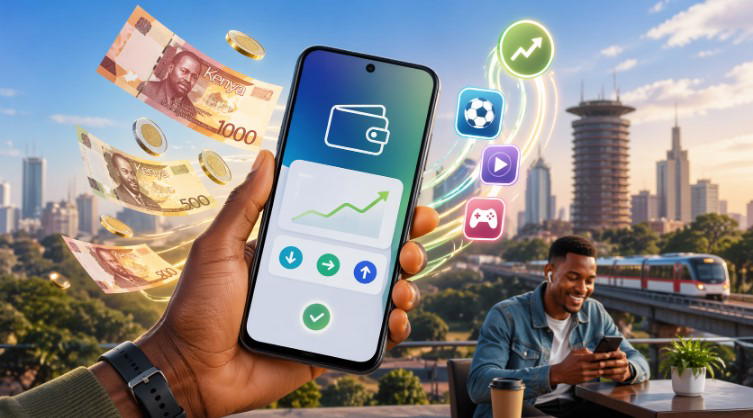
Android apps in Kenya have already become the main screen for video, sports, games, and payments. At the start of 2026, the country had 27.4 million internet users and 68.8 million mobile connections. When there are more SIM cards than people, mobile-first is no longer a trend. It is just the normal environment. First, it makes sense to look at how Android changed user habits, and only then decide what is worth installing on your phone.
A browser usually asks for extra steps: open the site, enter your login, wait for it to load, and then find the section you need. That is why interest in searches like 888starz global says less about love for APK files and more about the desire to cut the path shorter. Faster access, easier registration, and use without a desktop. Fewer taps, less irritation. Humanity really will optimize anything except its own decision-making.
Why Android Became the Main Screen for Kenyan Users
Android became the main screen in Kenya not because it was fashionable. It simply turned out to be cheaper, more flexible, and more accessible across different budgets. The iPhone still has visibility, but Android covers far more price segments. In a country where a phone often replaces a laptop, that alone already shapes the choice.
The numbers support it. According to the Communications Authority of Kenya, between January and March 2025, the number of mobile SIM subscriptions rose to 76.16 million, while mobile penetration reached 145.3%. This is no longer a case of “people sometimes go online from their phone.” It is a market where the smartphone has become the control panel for payments, chats, video, matches, and games.
How Apps Changed Daily Leisure Habits
The phone now feels like an extension of the hand. People check the screen more often than they ask strangers for directions. That shaped both daily habits and the wider digital environment.
Sport moved into live scores and online betting. Video is watched on the move, at home, and during short breaks. Sports content and online games became part of everyday mobile use rather than a separate evening ritual.
But the main shift is somewhere else. The app is no longer a backup option after the website. For many Kenyan users, it is the main point of entry: launch is faster, there are fewer repeated actions, and push notifications are always close at hand. Desktop is no longer the center of the world here.
Mobile Payments and Faster Account Access
Payments also moved onto smartphones. Apps for paying for goods and services made it possible to go out without even carrying a bank card. The clearest example is M-Pesa. It is already used by 70+ million customers across several countries, and in Kenya it has long been a normal way to send money, pay, and top up accounts. There are also other options:
- M-Pesa;
- Airtel Money;
- MTN Mobile Money;
- Visa and Mastercard;
- Skrill and Neteller;
- USDT, Bitcoin, and other crypto methods.
Crypto payments are not mentioned here by accident. They are becoming more mainstream and, by now, can often be used much like ordinary cards.
How Android App Habits Changed in Kenya
The most common format for users is Android apps. They brought mobile convenience to almost everyone in Kenya. Before that, some actions still required a browser, a desktop version, or extra searching.
That is convenient, but it also means users need to pay more attention to where the app comes from and how payment settings are handled.
Habit Before apps After Android apps appeared Sports updates Users searched in a browser, checked TV, or waited for match recaps Live scores, match alerts, and quick stats come straight to the phone Video watching People relied more on TV, desktop, or browser pages with longer loading Short videos and streams open faster from one app during the day Payments Card or bank steps were longer and often required extra navigation Mobile wallets like M-Pesa make payments faster and reduce the path to action Games Gaming was more tied to desktop use or browser-first sessions Mobile games start in seconds and fit into short 5–15 minute breaks Login and access Users re-entered data in browser sessions more often Apps keep faster account access, saved sessions, and quicker return visits Content discovery Finding content often meant manual search and extra clicks Push notifications bring updates, offers, and reminders directly to the screen Daily routine Digital use was more tied to one longer session Mobile use became shorter, more frequent, and spread across the whole day
What to Check Before Installing an Android App
Android gives users more freedom than closed app ecosystems. That is true, but it also creates more real risks. For example, you can install an app from a third-party source and end up with a pirated or unsafe version. That is why it matters more where exactly you download it from.
Before installing, it is worth checking the following:
- Check the source – use the official site or a verified app page before any APK download.
- Read app permissions – avoid apps asking for access that does not match their function.
- Control data usage – lighter apps are better for limited mobile bundles.
- Protect login details – use a strong password and avoid shared phones.
- Review payment methods – check whether mobile payments and card options match your country.
- Prepare for verification – KYC may be required before withdrawals or account checks.
Conclusion
Android apps changed leisure habits in Kenya. Access became faster, and daily habits became shorter, quicker, and more mobile. The main advantage is getting in with just a few taps. The main risk is security. Before installing, it is worth checking the APK source, payment methods, login details, and possible KYC requirements. Better to spend two minutes on that than later spend hours fixing an account.
FAQ
Why are Android apps popular in Kenya?
Android phones cover many price ranges, so they fit different budgets in Kenya. One device can handle mobile wallets, video, sports updates, and games. That mix turned Android into a daily tool, not just a phone with extra features.
Are APK files safe?
APK files are safe only when they come from a trusted source. Unknown files can create problems with privacy, payments, or account security. The boring check before installation is usually the one that saves the most trouble.
Why does M-Pesa matter for mobile apps?
M-Pesa makes deposits, transfers, and daily payments faster for many Kenyan users. App-based services adapt around local wallets because people already use them for ordinary money movement.
The post How Android Apps Are Changing Digital Habits in Kenya appeared first on Vanguard News.