Lagos’ War on Beggars: 911 arrested, but streets keep calling
 SKAiF NewsNG SNN
By Olasunkanmi Akoni
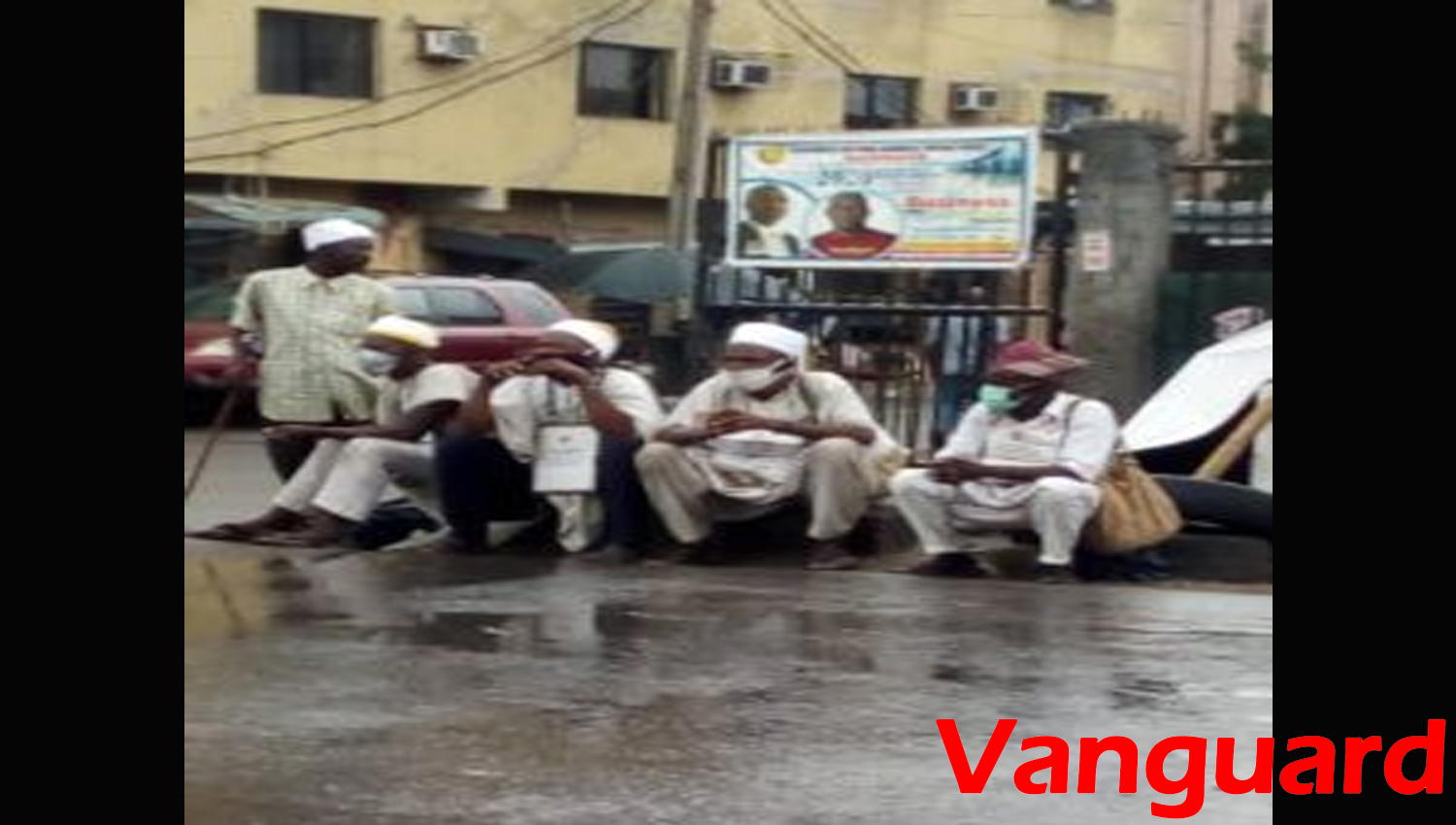
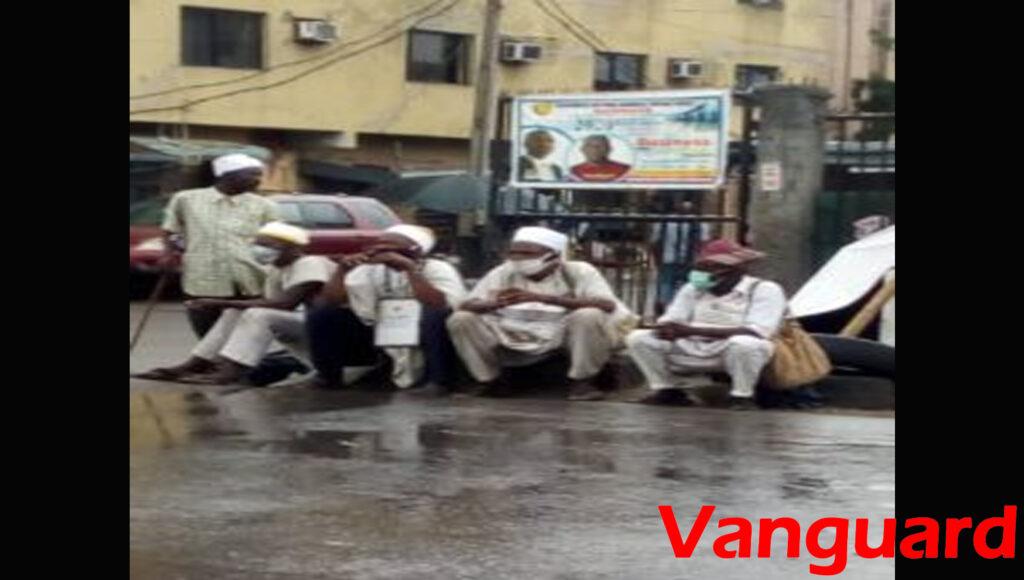
At Ikeja Under-Bridge, opposite the Lagos State Teaching Hospital, a young mother clutches a sleeping toddler to her chest and stretches a plastic bowl towards motorists trapped in traffic. A few metres away, an elderly man chants prayers for loose change. Children dart between moving vehicles, dodging horns and exhaust fumes in a desperate search for alms.
Read Also: How we paid millions for release of NYSC members — Parents; We’re not aware – Imo govt
The scene is repeated thousands of times across Lagos. From Oshodi and Agege to CMS, Oyingbo, Pen Cinema and the Lekki-Epe corridor, begging has become woven into the daily life of Africa’s largest megacity. But Lagos is no longer treating it simply as a humanitarian problem. The government now sees street begging as a threat to public order, environmental safety and, increasingly, security. And it is fighting back.
This information is for general knowledge, should not be taken as medical advice, and you should consult with a healthcare provider if you have medical concerns.
Enforcement in Lagos
In June and July 2026, more than 900 beggars were arrested during enforcement operations across Lagos. Officials said the Lagos State Environmental Sanitation Corps, LAGESC, popularly known as KAI, and other enforcement agencies apprehended 515 persons in June across Oshodi, Agege, CMS, Lagos Island, Ikorodu, Ikeja, Mushin, Alimosho and Falomo. Another 396 were arrested in July.
The figures have added urgency to the government’s push for a tougher legal framework. But behind the statistics are people who say they have nowhere else to go.
From Pity to Panic
For many Lagos residents, the issue has moved beyond sympathy. Motorists have complained of aggressive begging, particularly at night, with allegations of people banging on windscreens, surrounding vehicles and using dangerous objects to intimidate those who refuse to give money.
At some locations, residents say beggars cling to moving vehicles or run between lanes, creating dangerous situations for motorists and themselves. “What we see now is not just begging. It is coercion,” a motorist, Gerald Okoh, said, describing incidents in Oshodi where people allegedly surround vehicles and threaten drivers.
The government says street begging is already prohibited under Lagos environmental laws and has urged residents to channel donations through registered charities and religious organisations rather than handouts on highways.
Bill Raises the Stakes
Now, lawmakers want to give the crackdown greater legal teeth. At a public hearing on September 16, the Lagos State House of Assembly considered the Street Begging and Street Urchins (Prohibition, Prevention and Rehabilitation) Bill, 2026.
The proposed law would prohibit street begging and related activities, including soliciting, loitering or sleeping in public places for the purpose of begging. It would also target anyone who procures, aids or encourages begging.
The proposed sanctions would escalate with repeated offences. A first offender could receive a warning and be referred to a rehabilitation centre. A subsequent offence could attract a fine of up to ₦200,000, a non-custodial sentence or imprisonment of up to three months. Serial offenders could face up to two years’ imprisonment upon conviction. Parents and guardians who use children for begging or hawking could also face prosecution.
Children Caught in the Middle
But the debate has exposed a difficult question: where does enforcement end and the criminalisation of poverty begin?
The Nigeria Bar Association backed the bill but urged lawmakers to treat children found begging as children in need of care and protection, rather than criminals. NBA Lagos Branch Chairman, Uchenna Akingbade, warned that the law must target exploitation and harmful conduct, not poverty, homelessness or disability.
Other stakeholders called for clearer definitions and safeguards, particularly for people with mental health challenges and vulnerable children. Representing the Oba of Lagos, Chief Gbolahan Oki argued that repeated arrests had failed to deter offenders and advocated tougher sanctions combined with community service. Policy analyst Otunba Muhammed, however, stressed the need to ensure children were not exploited as instruments of economic survival or cultural practice.
The Faces Behind the Figures
The statistics tell only part of the story.
Suleiman, 42, from Kano State, said he lost a leg in a motorcycle accident and could no longer farm. He came to Lagos after his brother told him people gave money on the streets. “I have four children at home,” he said, explaining that some days he made about ₦3,000 and on other days nothing.
Fati, 28, said she started begging after her husband abandoned her while her child was ill. She had previously hawked sachet water but could not raise enough money for medical treatment.
Chidi, 19, travelled from Ebonyi State looking for work as a conductor. When work dried up, he joined friends begging around traffic.
Their stories differ, but their conclusion is similar: they want alternatives.
Beyond the Arrests
The Lagos Government insists its approach is not simply punitive. The proposed legislation provides for rehabilitation and welfare centres where rescued persons could receive accommodation, medical attention, counselling, literacy education and vocational training.
Government figures show that 1,315 vulnerable persons were rescued during the review period. They included 587 beggars, 560 people with mental health challenges, 143 destitute persons and 25 street children.
The Ministry of Youth and Social Development also said 459 beggars were prosecuted through the Mobile Court and sentenced to community service, with an option of fine. Commissioner for Youth and Social Development, Mobolaji Ogunlende, said 1,295 rehabilitees were accommodated at the Rehabilitation Training Centre, while 1,072 people were admitted during the reporting period.
Of these, 998 were reunited with their families after rehabilitation and placed under follow-up monitoring. Others received vocational training in tailoring, horticulture, barbing and phone repairs.
The Bigger Question
Yet concerns remain. Human-rights advocates and legal experts have questioned provisions granting enforcement officers broad powers, including warrantless arrests and seizure of property connected to alleged offences.
The bill prohibits torture, degrading treatment and unlawful detention and provides for profiling before suspects are transferred to the police or appropriate security authorities. Deputy Speaker Mojisola Meranda said public submissions would be considered before the bill proceeds to third reading and, if passed, is sent to the governor for assent.
For Lagos, the stakes are high. The government wants safer, cleaner and more orderly streets. Residents want an end to harassment and dangerous encounters in traffic.
But beneath the crackdown lies a harder reality: poverty, disability, homelessness, migration and unemployment continue to push vulnerable people towards the streets. The arrests may clear an intersection for a day. The bigger question is whether they can empty the streets for good—without leaving the people who depend on them with nowhere else to go.
The post Lagos’ War on Beggars: 911 arrested, but streets keep calling appeared first on Vanguard News.