Internationalist Segun Osoba, reunites Nigerian radicals, by Owei Lakemfa
 SKAiF NewsNG SNN
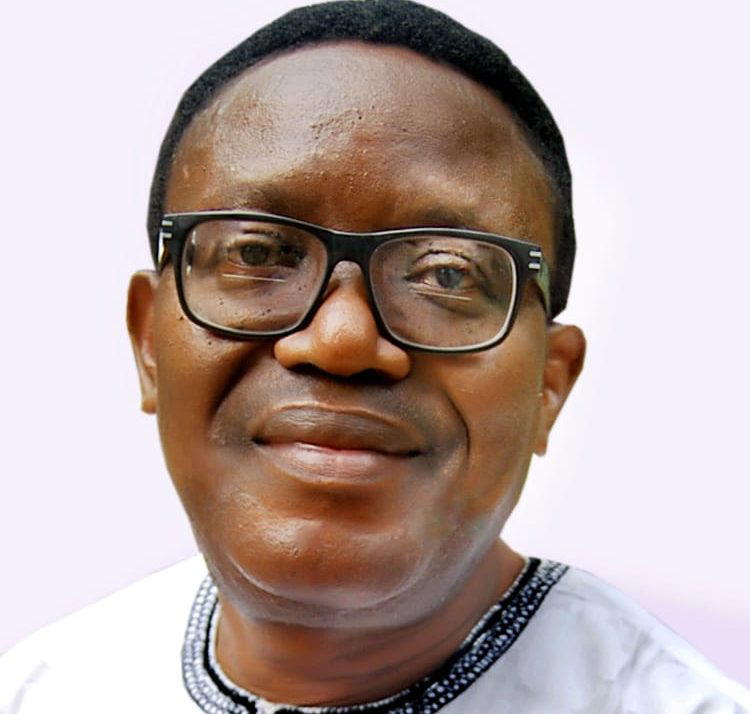
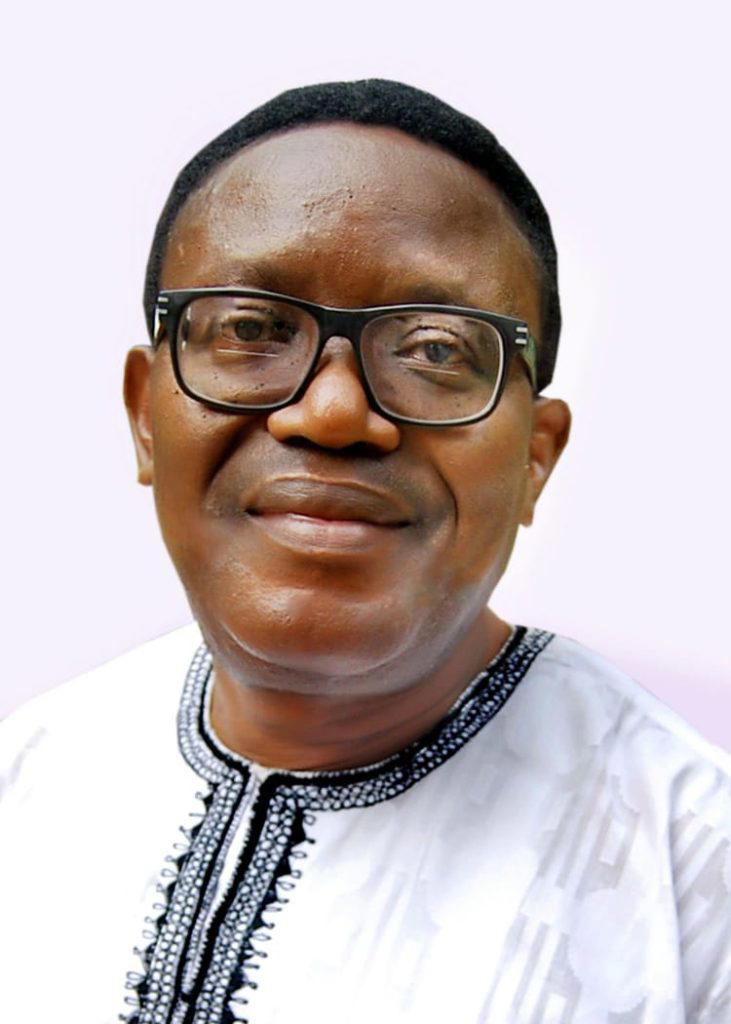
The internationalist, intellectual, radical historian and generally accepted leader of the Nigerian Left, Olusegun Osoba, left on May 14, 2026, at 92. What followed the exit of a man who greatly influenced and led three generations of Nigerian radicals was a twenty-six-day programme of celebrating his life, times and works. It was as if a father whose children and siblings could not come to the reality that their symbol of unity had bowed out of the arena. Indeed, their platform was called “Osoba for Eternity.” However, it is not the eternity of human existence, but of his ideas and legacy. The celebration, reflections and discussions, which cleared a path towards the unity of radicals in the country, included two international symposia: one in his ancestral Ijebu Ode on July 3 and the other in Abuja on July 28, 2026.
They were international not just because that was who Osoba was and participants came or participated from across the globe, but also because his revolutionary leadership of radicals in the country influenced their perspective of international politics. For instance, in the 1970s the South African liberation movement was mainly split between the Pan Africanist Congress, PAC, which saw the struggle as one of Black liberation, and the African National Congress, ANC, which saw it as part of human emancipation. Osoba steered young Nigerians towards the ANC. In the case of Zimbabwe, the Zimbabwe African National Union, ZANU, led by Robert Mugabe was chosen over the Ndabaningi Sithole-led Zimbabwe African People’s Union, ZAPU. It was also an easy choice for Nigerian radicals to support the POLISARIO Movement in Western Sahara and independence for that country rather than the occupying Moroccan-Mauritanian forces.
But the issue of Eritrea was a thorny one. A revolutionary government led by Mengistu Haile Mariam was in charge of Ethiopia, which was involved in a civil war with Eritrea, a territory that was fighting for independence. The issue was presented as a fight between a united Ethiopia, supported by most of the socialist countries, and the “separatist” Eritrean People’s Liberation Front, also led by socialists. Both sides had a presence in Nigeria and continuously presented their cases. The radical forces in Nigeria were undecided until the Left, led by Osoba, decided to take an informed position by sending a delegation to the region. The philosopher, Dr. Dipo Fashina, was sent to the war front in the 1982/83 session to ascertain the true position. He crossed into the war zone from Sudan, met the Eritrean war commander, Isaias Afwerki, who is today that country’s president, and interviewed the prisoners of war (POWs), which included a Nigerian who had been conscripted into the Ethiopian Revolutionary Army.
Bereket Fassehatzion, an early-1980s Eritrean resident in Nigeria, on May 18, 2026 sent the following tribute on behalf of all former members of the Association of Eritrean Workers and Students, Nigeria Branch:
“The Socialist Forum Collective (SFC) and the Alliance of Progressive Students (ALPS) were the only two organisations in the whole of Nigeria that supported the Eritrean liberation struggle for independence in the 1970s and 1980s. They saw the Eritrean struggle for liberation, rightly, as a colonial question, rather than the Nigerian government’s and OAU’s position as a secessionist movement.
We Eritrean members of the then Eritrean People’s Liberation Front (EPLF) mass organisations at the University of Ife and in other parts of Nigeria are very grateful for the support comrades like Omotoye Olorode, Idowu Awopetu, Dipo Fashina, Kayode Adetugbo, Sope Oyelaran, G.G. Darah and Mr Dipeolu, led by Comrade Segun Osoba, gave to our struggle for self-determination.”
Osoba’s most famous student, Professor Toyin Falola, said of his teacher: “Under his influence, the University of Ife became a veritable breeding ground for a generation of trade unionists, civil society activists, lawyers, journalists and politicians who bore the imprints of his teaching into Nigerian public life for decades. People around him gained clarity about the link between scholarship and social duty, mentoring and inspiring young scholars, guiding and nurturing them as they began their academic careers.” At the Abuja symposium, Western Sahara Ambassador Brahim Salem Buseif expressed the condolences of the Saharawi, who were supported by the Nigerian radicals even when, in the early 1970s, they were yet to attain independence.
Cuban Ambassador Miriam Morales said Osoba, as leader of the radical movement in Nigeria, dedicated his life to social justice and the development of the Nigerian people. She expressed gratitude to Osoba for his solidarity with the Cuban people. She also thanked the Nigerian government and people for their commitment and principled stand with the Cuban people, especially at the United Nations in the face of the genocidal attacks against Cuba by the Trump regime.
Professor Jibrin ‘Jibo’ Ibrahim said the funeral programme, which reflected the deep sense of loss by the Left and highlighted the commitment and great achievements of Osoba, summarised the life of the revolutionary leader. Osoba, he posited, helped demystify those in power so the critical questions could be posed. These include: to whom does the Nigerian state belong; who owns it; and for what purpose does the state exist?
Chief Wole Olaoye, President of the Ife Students Union in 1979, whose administration got the institution to admit student leaders like Segun Okeowo expelled by other universities, said while his generation had lots of people to look up to, this generation hasn’t such an advantage. He added that the major disconnect in the present era is the missing link between students and workers.
Senior Advocate of Nigeria, Femi Falana, highlighted major issues in the 1976 Minority Constitution Report produced by Osoba and fellow historian Bala Usman. These include reducing the eligibility age for the presidency, governorship and their deputies to 30 years while also denying them immunity. He said the insistence of the duo led to the inclusion of fundamental and socio-economic rights provisions in the country’s constitutions since the Second Republic.
Professor Toye Olorode argued that the ruling class is not going to implement the fundamental human and socio-economic rights provisions in the constitution. So it will require their overthrow if the Nigerian people are going to live like human beings. Labour leader Hauwa Mustapha posited that feminist historiography strengthens radical historiography and that studies are not neutral. Therefore, there is always the need to interrogate who produces stories, in whose interests and which voices are heard and which are silenced. Professor Dung Pam Sha from the University of Jos basically summarised the discussions: “Great conversation on the history of struggles in Nigeria and Africa. Great poser on how we can renew and reorganize as a fighting force. Let this not end as a conversation but one that ends with ACTION.”
The post Internationalist Segun Osoba, reunites Nigerian radicals, by Owei Lakemfa appeared first on Vanguard News.