
How Your Online Data is Bought, Sold, and Traded without You Knowing
 SKAiF NewsNG SNN
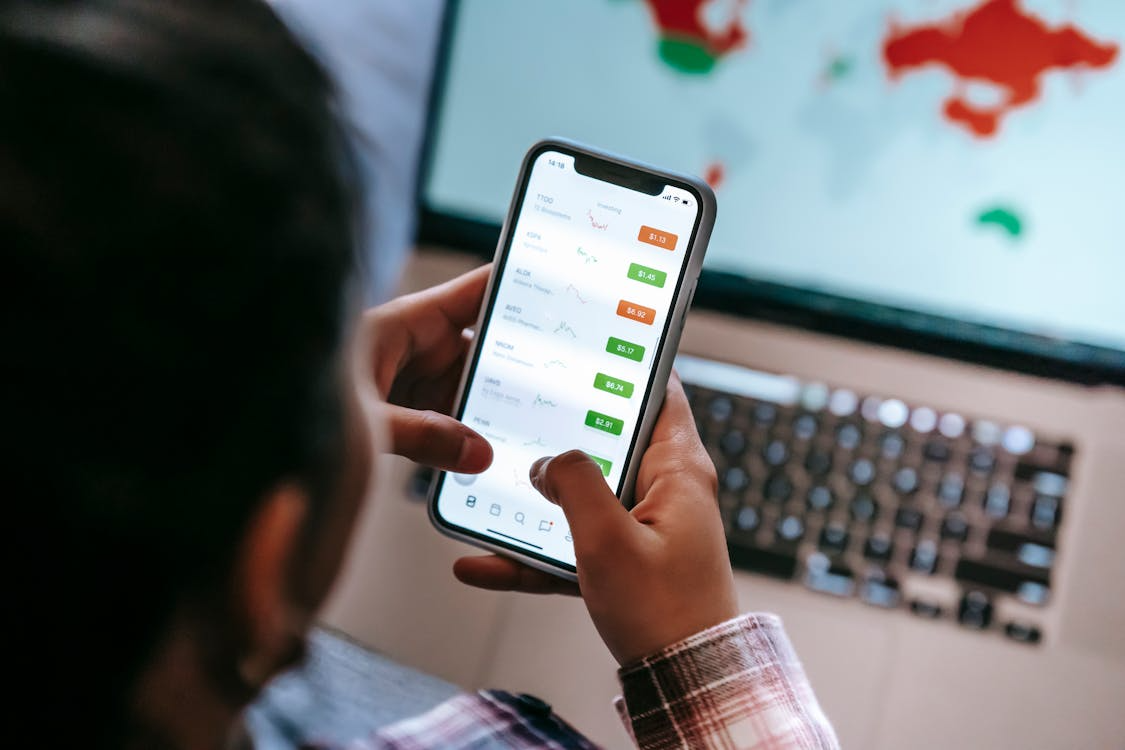
Most of us think what we do online is our own business. We browse, we shop, and we assume it is just between us and our screens. But the truth is a lot creepier. There is a massive, invisible economy running in the background of almost every click and download. Countless digital trackers are constantly sweeping up details about our daily habits and where we go. They fuel a massive global industry built entirely on buying and selling our personal information.
The Hidden Market
The main players making money off this are called data brokers. These companies scrape public records and buy up our purchase histories to build incredibly detailed profiles on millions of people. They sort us by our income, health worries, and shopping habits. Then they sell that sensitive info to marketing agencies or insurance companies. If you want to see how deep this goes, look at the work of the Cybernews experts. These cybersecurity researchers regularly investigate data leaks and expose exactly how much of our intimate data gets traded without our permission. They prove that digital privacy is often just a myth.
How They Track You
It usually starts with things we do not even think about. Maybe you mindlessly accept website cookies or download a free mobile game. Those free apps often demand access to things they do not need. They track your location and phone usage long after you close them. They send that raw data back to developers who sell it to ad networks. Algorithms then connect the dots. If you search for a medical symptom on your laptop and later open a fitness app on your phone, data aggregators link those activities together. In the literal millisecond a webpage loads, companies hold lightning-fast digital auctions. They bid to show you targeted ads based entirely on that compiled profile.
The Social Media Trap
We also hand over a lot of this data voluntarily. Every time we take a silly personality quiz, tag a location in a photo, or interact with a brand, we feed the machine. Social media platforms are essentially giant data harvesting engines. They do not just track what you post. They track how long you hover over a specific video or what time of night you are most active. This adds a highly personal layer to your digital file, revealing patterns about your mood, routines, and even the kinds of decisions you’re likely to make without you ever realizing how much you’ve given away.
The Real-World Consequences
This unseen marketplace is about more than just creepy ads following you around the web. The buying and selling of your data can have real impacts on your life. If data brokers categorize you as having a risky lifestyle or underlying health issues based on your search history, you could potentially face higher insurance premiums. In some cases, this invisible profiling can even influence credit offers or loan approvals. You might get denied without ever knowing why. And the more you interact, the clearer that picture becomes, even if you never type a single word.
Going completely off the grid is nearly impossible today, but you can definitely fight back. Switch to privacy-focused web browsers, clear your cookies regularly, and ruthlessly limit app permissions. You can also submit formal deletion requests to major data brokers. Ultimately, your personal information is worth a lot of money to these companies. Since they will not stop tracking you on their own, it is up to you to lock down your settings and protect your digital identity.
The post How Your Online Data is Bought, Sold, and Traded without You Knowing appeared first on Vanguard News.