Coups in West Africa and sustainability of democracy
 SKAiF NewsNG SNN
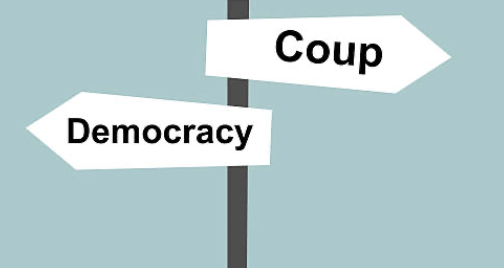
The recent failed coup attempt in Republic of Benin, allegedly led by Lt. Col. Pascal Tigri, has once again drawn attention to a disturbing trend in West Africa: the resurgence of military interventions in governance.
Coming just days after soldiers reportedly seized power in Guinea-Bissau while a presidential election was underway, the incident underscores the fragility of democratic institutions in a region once regarded as a continental beacon of constitutional rule.
Since 2020, West Africa has been rattled by a succession of military takeovers. Today, Mali, Guinea, Burkina Faso and Niger are all under putschist regimes.
These developments have not only interrupted democratic governance but have also undermined constitutional order and raised profound concerns about the sustainability of democracy in the sub-region. Indeed, West Africa, long celebrated for relatively successful democratic transitions, is now confronting deep-seated structural, political and socio-economic challenges.
Jolted by the attempted coup in Benin, the Economic Community of West African States, ECOWAS, moved swiftly, deploying ground troops from Ghana, Nigeria, Côte d’Ivoire and Sierra Leone to reinforce security around President Patrice Talon. The regional bloc also convened an emergency security meeting in Abuja to reflect on the future of democracy and the urgent need to strengthen collective security mechanisms.
At the end of the 55th session of the ECOWAS Mediation and Security Council, the President of the ECOWAS Commission, Dr. Omar Touray, disclosed that member states currently face an average “high risk” rating based on country-by-country assessments. He identified key risk factors, including the persistence of military interventions and non-compliance with agreed transition norms, particularly in Guinea, where a military leader is reportedly repositioning as a civilian. He also warned of the growing erosion of electoral inclusivity across several member states.
While we agree with Dr. Touray that political exclusion is a major driver of instability, it is far from the only one. Widespread disenchantment with political leadership and poor governance continues to fuel public frustration. Persistent corruption, lack of accountability and weak service delivery steadily erode citizens’ trust in elected governments.
When democratic systems fail to improve living conditions, citizens may become indifferent to, or even supportive of, unconstitutional changes in power.
Equally troubling is the region’s large and increasingly marginalized youth population. High unemployment, rising inflation and deepening poverty, especially among young people, have weakened democratic participation and made sections of the population vulnerable to populist or militaristic narratives. This combination creates fertile ground for political instability.
Furthermore, when democratically, elected leaders undermine constitutionalism by manipulating electoral processes or altering constitutions to secure questionable re-elections or third terms, they weaken the moral authority of democracy itself and normalize rule-breaking. Such actions provide justification, however flawed, for military adventurism.
Sustaining democracy in West Africa, therefore, requires more than the ritual condemnation of coups. It demands a serious commitment to addressing the underlying conditions that make them possible.
While acknowledging Dr. Touray’s warning that the region is facing its most volatile moment in decades, we call for deliberate efforts to strengthen democratic institutions, entrench good governance and accountability, reform the security sector, promote economic inclusion, especially for the youth, and deepen civic education and democratic culture. Respect for term limits and the rule of law must be non-negotiable.
Democracy in West Africa can endure, but only if it delivers security, dignity and opportunity to its people. Without these, the cycle of instability may continue, with grave consequences for the region’s future.
The post Coups in West Africa and sustainability of democracy appeared first on Vanguard News.