CMUL moves against misdiagnosis, unveils precision healthcare agenda
 SKAiF NewsNG SNN
…Targets stronger industry ties, improved patient outcomes
By Sola Ogundipe & Chioma Obinna
The College of Medicine, University of Lagos, CMUL, on Wednesday rolled out an ambitious plan to tackle widespread misdiagnosis in Nigeria’s health system even as it unveiled its maiden Clinical Sciences Conference focused on precision medicine and stronger industry collaboration.
The move comes amid growing concerns over diagnostic inaccuracies in the country’s healthcare system, often linked to limited access to advanced diagnostic tools, weak integration between laboratory science and clinical practice, and over-reliance on presumptive treatment of common illnesses.
The health experts warned that such gaps continue to drive avoidable complications, rising treatment costs and, in severe cases, preventable deaths.
Against this backdrop, the College said the new conference is designed as a practical response to these challenges, providing a platform to harmonise research, diagnostics and treatment while fostering partnerships that can translate scientific discoveries into real-world healthcare solutions.
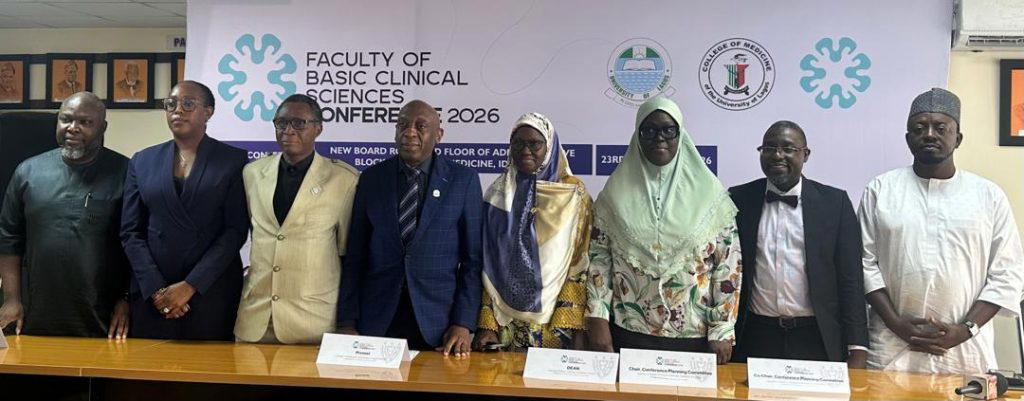
The conference, scheduled for June 23 to 25, 2026, at the College of Medicine, Idi-Araba, is being organised by the Faculty of Basic Clinical Sciences, a newly created academic hub positioned at the intersection of laboratory science and clinical care.
Addressing a press conference in Lagos, the Dean of the faculty, Prof. Fatima Abdulkareem, described the conference as a strategic intervention to close the gap between research findings and real-life patient care.
“This is a defining moment for us. It is not just a conference; it is a platform to translate research into solutions that directly impact patient care,” she said.
Abdulkareem stressed that the theme, “Precision in Practice: Integrating Diagnostics, Therapeutics and Clinical Insights for Patient-Centered Care,” speaks to an urgent national challenge.
“We want to make sure diagnoses are accurate and precise. Too many febrile illnesses are simply labelled malaria or typhoid without proper confirmation. This leads to delayed treatment, increased cost and poor outcomes. Precision is about getting it right from the start,” the Dean added.
She warned that misdiagnosis remains a major driver of avoidable deaths and inefficiencies in the healthcare system, noting that the conference would promote improved diagnostic protocols and evidence-based treatment.
Provost of the College, Prof. Ademola Oremosu, said the establishment of the Faculty of Basic Clinical Sciences is a deliberate step to strengthen the role of research in healthcare delivery.
“This faculty is the interface between what we know about the patient in the laboratory and how clinicians apply that knowledge in treatment.
“It is central to generating the data and insights required for better health outcomes. The conference will reposition basic clinical sciences as a driver of innovation and improved healthcare delivery.”
Oremosu also pointed to a growing trend of “reverse migration” among Nigerian health professionals abroad.
“A number of our professionals in the diaspora are willing to return and contribute despite the challenges. That speaks to the quality of work being done here and the opportunities for impact,” he said.
Conference Chairman, Prof. Titilope Adeyemo, said the event has been structured to foster cross-sector dialogue and global engagement.
“This is more than a scientific meeting. It is a convergence of academia, industry and policy. We are also bringing our alumni across the world on board to deepen collaboration and expand impact,” she said.
Adeyemo explained that the conference would feature plenary sessions, technical discussions and multidisciplinary engagements, with a strong emphasis on emerging technologies such as artificial intelligence and machine learning in diagnostics and clinical decision-making.
“We are intentional about ensuring that what we do here is globally relevant while addressing local healthcare challenges,” she added.
Co-Chairman, Dr. Olayemi Daudu, said the initiative would inspire young professionals and strengthen the linkage between teaching, research and clinical practice.
“We are creating a platform for forward-looking discussions that will ensure research outcomes inform policy and improve healthcare delivery,” he said.
From the industry perspective, Co-Chairman, Dr. Abdulwasiu Busari, emphasised the need to connect knowledge with practical application.
“Effective healthcare depends on integrating diagnostics, therapeutics and clinical insights. This conference will focus on translating knowledge into measurable impact,” he said.
Also speaking, a representative of the Health Business Academy for Africa said the future of healthcare lies beyond clinical excellence alone.
“The real impact will come from how well we connect science, systems and strategy. This conference is designed to ensure that conversations translate into stronger institutions and better patient outcomes,” he noted.
The organisers disclosed that the three-day programme would begin with community outreach and public health education, followed by keynote sessions featuring global experts, and technical scientific presentations on the final day.
The event will also include an awards and gala night, as well as plans for sustained post-conference engagements to ensure long-term impact.
Highlighting ongoing breakthroughs, Abdulkareem revealed that the faculty is at the forefront of research into infectious diseases such as Ebola, Lassa fever and COVID-19, alongside advancements in HIV, malaria and cancer care.
She disclosed that the college recently launched a clinical trial offering free immunotherapy treatment for colorectal cancer patients.
“We are ready with cutting-edge treatment approaches. The goal is to make healthcare more accessible, more accurate and more effective,” she said.
She added that the faculty is also working to make research findings more accessible to the public through media engagement and digital platforms.
“What we are doing must not remain in textbooks and conferences. It must reach the people and solve real problems.
“This is about building a system that is responsive, evidence-driven and truly patient-centred,” Abdulkareem stated.
The post CMUL moves against misdiagnosis, unveils precision healthcare agenda appeared first on Vanguard News.