Clerics, presidency clash over economy after Tinubu-bishops meeting
 SKAiF NewsNG SNN
By Olayinka Latona
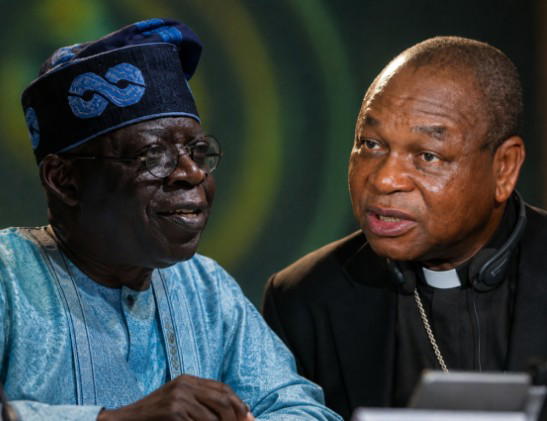
A meeting between President Bola Tinubu and the Catholic Bishops’ Conference of Nigeria (CBCN) has sparked public debate over the role of religious leaders in governance, with differing opinions emerging on whether clerics should openly comment on government policies or remain focused on spiritual matters.
The debate intensified after Cardinal John Onaiyekan granted a television interview in which he shared his perspective on the meeting, drawing reactions from the Presidency, religious leaders, political commentators and members of the public.
Cleric urges prayer, caution
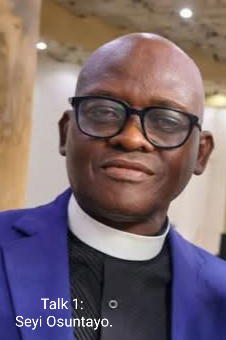
Pastor Seyi Osuntayo, Area Superintendent of The Apostolic Church Nigeria, Igbein Area, said the exchange between the Presidency and the Catholic bishops was unfortunate.
He observed that while religious leaders have a role in national discourse, the timing of public criticism could influence how such comments are perceived.
“The timing of advice and criticism is important. The timing of the Catholic Bishops’ Conference of Nigeria’s comments could be interpreted differently by various audiences,” he said.
Osuntayo maintained that Christian leaders should avoid partisan political disputes and instead encourage good governance while continuing to pray for national leaders.
Quoting 1 Timothy 2:1-4, he said Christians are instructed to pray for those in authority regardless of political differences.
“Our leaders need prayer, whether we agree with their leadership style or not. We may not choose our leaders, but we can choose to obey God’s instruction to pray for them,” he said.
He also cautioned against what he described as the increasing involvement of some religious leaders in political debates through media engagements, arguing that prayer should remain central to the Church’s response to governance issues.
Commentator faults Presidency’s response
Journalist and author Ben Charles-Davies said attention should remain on the concerns raised by the bishops rather than the controversy surrounding their comments.
According to him, issues such as poverty, insecurity and the cost of living deserve greater public attention.
Charles-Davies noted that the Catholic Bishops had also criticised previous administrations, including that of former President Goodluck Jonathan, arguing that religious leaders have consistently commented on governance regardless of the government in power.
He said public officials should respect differing opinions and avoid personal attacks on critics.
He further argued that Cardinal Onaiyekan’s remarks reflected concerns widely expressed by many Nigerians over insecurity, inflation and the rising cost of living.
‘President owes no political allegiance to bishops’
Speaker, author and entrepreneur Ugoji Maximillian offered a different perspective, describing the Catholic bishops as an influential institution with a long history of engagement in national affairs.
He argued that disagreements between political leaders and religious groups are not unusual in Nigeria’s democratic process.
Maximillian expressed the view that the bishops had previously taken positions during the 2023 general elections which, in his opinion, influenced current perceptions of their relationship with the Tinubu administration.
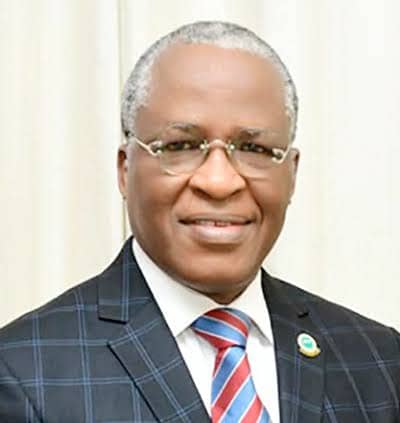
He also said President Tinubu appeared committed to implementing his economic agenda despite criticism from various quarters.
Ayinde urges patience with reforms
Former Lagos State Commissioner for Physical Planning, Toyin Ayinde, said economic reforms often require time before their full impact becomes evident.
He argued that Nigerians should evaluate ongoing reforms over the long term rather than expecting immediate results.
Ayinde cited his personal experience using a naira debit card for international transactions as an example of changes within Nigeria’s financial system.
He also called for constructive engagement on national issues, urging stakeholders to contribute ideas that could help improve governance.
Presidency defends administration
In a statement, Presidential media aide Temitope Ajayi defended the administration’s handling of the economy and responded to Cardinal Onaiyekan’s comments.
Ajayi said the bishops had requested the meeting with the President and were given the opportunity to present their concerns on economic, social and security issues.
He argued that while the bishops acknowledged the impact of the Nigerian Education Loan Fund (NELFUND), they did not sufficiently recognise other achievements of the administration.
According to him, President Tinubu inherited significant fiscal challenges and has implemented reforms aimed at stabilising the economy.
Ajayi cited improved salary and pension payments in several states as evidence of progress under the current administration.
He also addressed the bishops’ request for the return of mission schools, stating that the matter falls within the constitutional responsibilities of state governments.
According to him, President Tinubu reminded the bishops that he returned mission schools to their original owners during his tenure as Governor of Lagos State.
Ongoing national conversation
The differing reactions to the meeting have reignited debate over the role of religious leaders in public affairs.
While some believe clerics have a responsibility to speak on issues affecting citizens, others argue that their primary role should be spiritual guidance and prayer.
The exchanges also underscore broader discussions about economic reforms, governance and the relationship between religious institutions and political leadership in Nigeria.
The post Clerics, presidency clash over economy after Tinubu-bishops meeting appeared first on Vanguard News.