CHRICED unveils new strategic plan, flags threats to Nigeria’s democracy
 SKAiF NewsNG SNN
By Luminous Jannamike
ABUJA – The Resource Centre for Human Rights and Civic Education (CHRICED) has laid out a bold new direction for its work over the next five years, placing climate justice, maternal and child health, and the alarming rise in out-of-school children at the heart of its mission.
The announcement came on Saturday at the media launch of CHRICED’s 2026–2030 Strategic Plan, ‘Making Democracy Work for All.’
The event brought together the organisation’s Executive Director, Dr. Ibrahim Zikirullahi, Board Chairman Prof. Momodu Kassim-Momodu, and governance expert Mr. Oladayo Olaide, who shared the thinking behind the plan and the realities that shaped it.
Speaking at the launch, Dr. Zikirullahi described the unveiling as a moment for reflection, renewal, and recommitment, saying the new document represents far more than a routine strategic plan.
To him, it is a ‘declaration’ of purpose crafted for a country facing rapidly changing social, economic, and environmental pressures.
He reflected on CHRICED’s work over nearly twenty years, standing with marginalized communities, defending their rights, and helping them find their voice in the democratic process.
The new roadmap, he said, continues that journey but with deeper urgency as Nigeria grapples with climate change, insecurity, the exclusion of indigenous peoples, and the stubbornly high rates of maternal and child mortality.
Dr. Zikirullahi also warned about new threats emerging in Nigeria’s democratic space, including the misuse of digital technology, shrinking civic freedoms, and the persistence of electoral malpractice.
These challenges, he stressed, demand bold action and genuine commitment from citizens, institutions, and leaders.
At the heart of the plan are six pillars: environmental justice, indigenous rights, maternal and child health, digital empowerment, democratic accountability, and electoral integrity.
For CHRICED, these pillars represent the most pressing needs of communities today.
The Executive Director noted that protecting indigenous people, especially Abuja’s original inhabitants, is essential for fairness and democratic legitimacy, just as improving health outcomes for vulnerable mothers and children is essential for national wellbeing.
He thanked the MacArthur Foundation for supporting the plan’s development and praised CHRICED’s Board, staff, and partners for their dedication to the organisation’s mission.
Providing further detail, Mr. Oladayo Olaide explained that the strategy revolves around two major themes: Rights and Development, and Democracy and Accountability.
He said each theme comes with clear goals expected to be achieved by 2030, and that the plan aligns with national efforts to reduce maternal deaths, strengthen governance, and build resilience to climate-related risks.
The plan also addresses risks that may threaten its implementation, ranging from political instability to insecurity, funding pressures, and digital surveillance, and outlines steps to manage them.
After formally unveiling the document, Prof. Momodu Kassim-Momodu, Chairman of CHRICED’s Board, assured participants that the organisation is fully committed to carrying out every part of the plan to help strengthen Nigeria’s democracy.
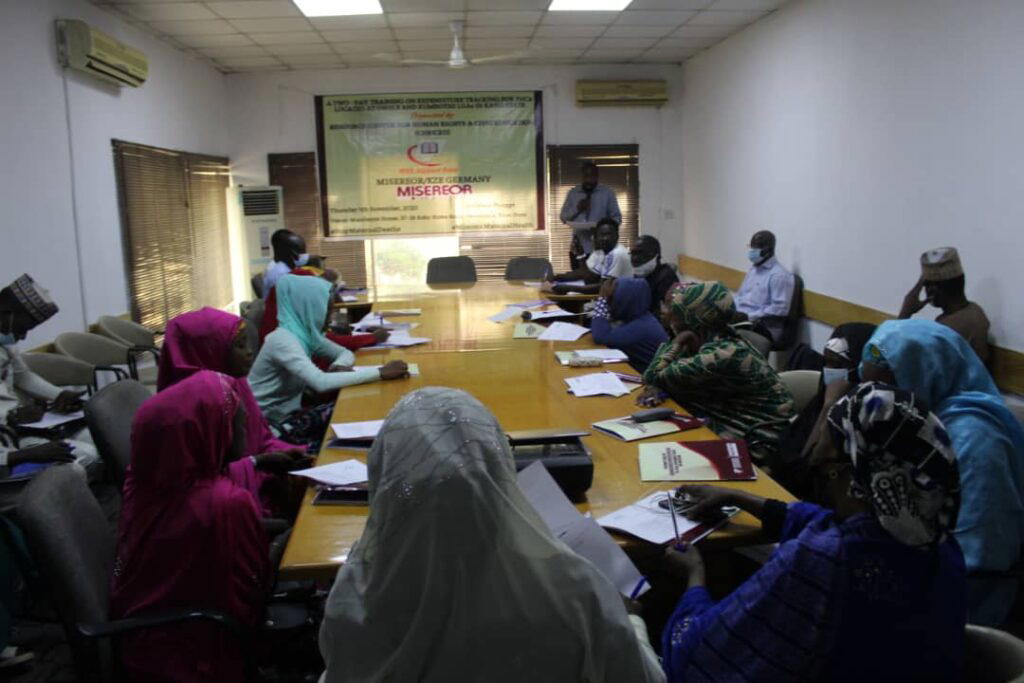
The hybrid event drew development partners, civil society organisations, and a range of stakeholders who engaged CHRICED officials on how to ensure that the ambitious strategy delivers real and measurable impact over the next five years.
The post CHRICED unveils new strategic plan, flags threats to Nigeria’s democracy appeared first on Vanguard News.