5 things to know about Mexico’s Azteca Stadium hosting World Cup opener
 SKAiF NewsNG SNN
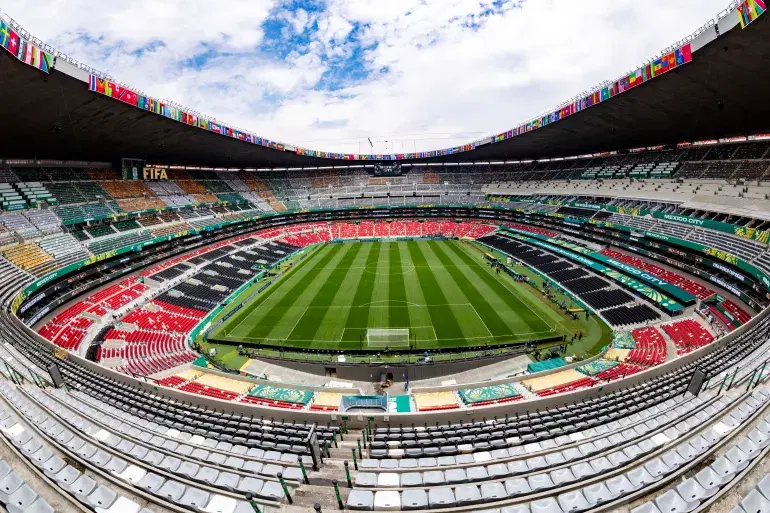
As the 2026 FIFA World Cup gets underway, all eyes will be on Mexico City’s legendary Estadio Azteca, the iconic venue selected to stage the tournament’s opening match between Mexico and South Africa.
The stadium is set to make football history by becoming the first arena ever to host matches at three different FIFA World Cups, further cementing its place among the sport’s most celebrated venues.
From unforgettable triumphs to controversial moments that shaped football history, here are five key things to know about the famous stadium.
1. It Will Set a New World Cup Record
No stadium has hosted World Cup matches at three separate tournaments before.
After serving as a major venue during the 1970 and 1986 editions, Azteca will once again welcome the world in 2026. The achievement underscores the stadium’s enduring status as one of football’s most significant landmarks.
The venue will host five matches during the tournament, including the opening ceremony and opening game.
2. Pele Lifted His Final World Cup Trophy There
Azteca was the stage for one of football’s most memorable moments when Pelé led Brazil to victory in the 1970 World Cup final.
More than 100,000 spectators packed the stadium to witness Brazil defeat Italy 4-1, with Pele scoring in the final. The triumph secured Brazil’s third World Cup title and remains one of the defining moments in the sport’s history.
The stadium also hosted the famous semifinal between Italy and West Germany, widely regarded as one of the greatest World Cup matches ever played.
3. Maradona’s ‘Hand of God’ Happened at Azteca
Sixteen years after Pele’s triumph, Azteca once again became the centre of football history during the 1986 World Cup.
It was here that Diego Maradona produced two of the most talked-about goals ever scored in the same match against England.
First came the controversial “Hand of God” goal, where Maradona used his hand to guide the ball into the net. Minutes later, he embarked on a remarkable solo run, dribbling past multiple defenders before scoring what is often described as the greatest goal in World Cup history.
Argentina went on to win the tournament, defeating West Germany in the final.
4. The Altitude Gives Mexico a Major Advantage
Situated approximately 2,200 metres (7,200 feet) above sea level, Azteca presents a unique challenge for visiting teams.
The thin air at such altitude can affect stamina, recovery and overall performance, particularly for players unaccustomed to those conditions.
Combined with the passionate support of tens of thousands of Mexican fans, the environment can make the stadium one of the most intimidating venues in international football.
5. The Stadium Has Undergone a Major Transformation
Ahead of the 2026 World Cup, Azteca underwent an extensive renovation project lasting nearly two years.
The upgrades included modern seating areas, improved dressing rooms, enhanced lighting systems and better transport access for supporters travelling to matches.
Although the project faced delays and continued right up to the venue’s reopening, the refurbished stadium is now ready to host another chapter in World Cup history.
The post 5 things to know about Mexico’s Azteca Stadium hosting World Cup opener appeared first on Vanguard News.