
20 things Nigerians should know about Ebola
 SKAiF NewsNG SNN
0
2
By Chioma Obinna
The recent Ebola Virus Disease outbreaks reported in parts of Africa have renewed concerns about the possibility of cross-border transmission due to travel, trade, and regional movement.
Although Nigeria successfully contained Ebola in 2014, Physicians under the auspices of Academy of Medical Sciences of Nigeria warned that continued vigilance, early detection, and public cooperation remain essential to preventing another outbreak.
Here are 20 important things Nigerians should know about Ebola Virus Disease.
- Ebola Virus Disease is a severe and often deadly viral infection.
- The disease spreads through direct contact with blood or body fluids of an infected person.
- Ebola can also spread through contaminated surfaces, clothing, bedding, and medical equipment.
- Fruit bats and infected wild animals such as monkeys can carry the virus.
- Ebola is not spread through the air like the common cold or flu.
- Early symptoms include sudden fever, weakness, headache, sore throat, and muscle pain.
- Vomiting, diarrhea, stomach pain, and unexplained bleeding may occur in severe cases.
- Early medical treatment improves survival chances significantly.
- People with Ebola should be isolated immediately to prevent further spread.
- Regular handwashing with soap and water remains one of the best preventive measures.
- Avoid touching blood, vomit, saliva, urine, or other body fluids of sick individuals.
- Nigerians should avoid unsafe burial practices involving direct contact with corpses.
- Bush meat from unknown sources should not be handled or eaten during outbreaks.
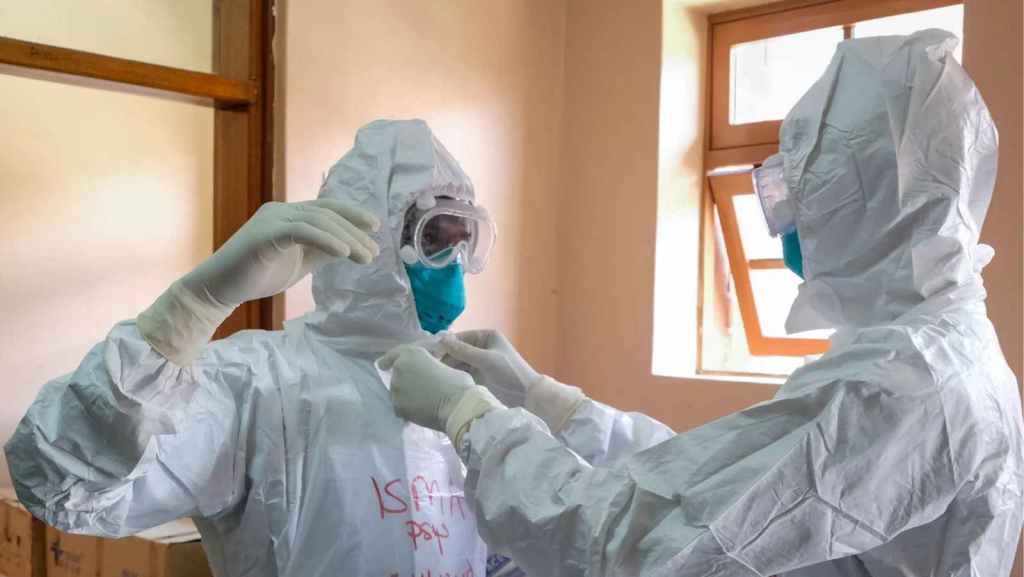
- Healthcare workers must use personal protective equipment during treatment of suspected cases.
- Ebola outbreaks can spread rapidly across borders through travel and trade.
- Nigeria successfully contained an Ebola outbreak in 2014 through rapid response and surveillance.
- Contact tracing is critical to stopping Ebola transmission.
- Vaccines and supportive treatment can help control outbreaks and reduce deaths.
- Fake news and misinformation can create panic and hinder outbreak control efforts.
- Nigerians should report suspected symptoms immediately and cooperate with health authorities.
The post 20 things Nigerians should know about Ebola appeared first on Vanguard News.