Why Tracking Economic Signals is Essential Before Opening Any Forex Position
 SKAiF NewsNG SNN
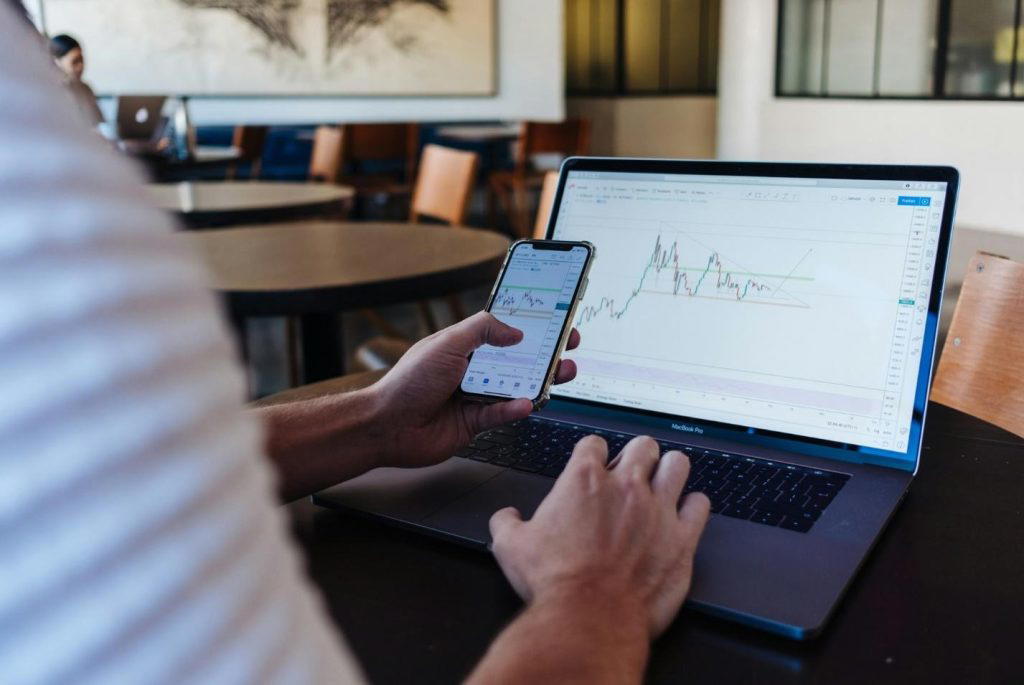
In Nigeria, interest in global markets has grown rapidly over the past decade. More young professionals, entrepreneurs, and students are exploring online platforms to diversify their income sources. While mobile access has made it easier to enter the market, successful trading requires more than just a smartphone and an internet connection. It requires a deep understanding of economic signals and how they shape price movements.
When engaging in forex trading, the importance of economic data cannot be overstated. From interest rate announcements to inflation figures, these signals often dictate whether a currency will strengthen or weaken. Nigerian traders who pay close attention to these factors have a stronger foundation for making decisions that protect their capital and increase their chances of long-term success.
Why Nigerian Traders Should Care About Global Signals
Although Nigeria is not a major currency hub, global events affect the value of the naira and the performance of international currencies. For example, an increase in US interest rates can strengthen the dollar, which directly influences the exchange rate Nigerians see when converting naira to dollars. Similarly, fluctuations in the price of crude oil, the backbone of Nigeria’s export economy, can trigger shifts in currency markets.
By monitoring economic signals, Nigerian traders gain a clearer picture of how such events may impact their trading positions. This allows them to adjust strategies in time, rather than reacting after the market has already moved.
Key Economic Indicators to Watch
There are countless economic signals in the global financial system, but some matter more than others. Nigerian traders should pay special attention to:
- Interest Rates: Decisions by central banks like the US Federal Reserve or the European Central Bank often cause sharp market reactions.
- Inflation Reports: Rising inflation can weaken a currency if it erodes purchasing power.
- Employment Data: Reports such as US Non-Farm Payrolls provide insights into economic health.
- Gross Domestic Product (GDP): Strong GDP growth usually supports a stronger currency.
- Commodity Prices: Since Nigeria relies heavily on oil exports, shifts in crude oil prices have a direct impact on the naira.
Each of these signals sends a message about economic strength or weakness, and traders who interpret them correctly are better positioned to make profitable choices.
Applying Economic Signals in Daily Trading
Understanding signals is one thing, but applying them effectively is another. Nigerian traders should not rely solely on technical charts without considering the economic backdrop. For instance, if inflation data suggests a currency is losing strength, opening a long position on that currency could be risky even if technical indicators show upward momentum.
By combining economic analysis with chart patterns, traders can develop a balanced strategy. This approach helps avoid false signals and ensures that decisions align with both short-term price action and long-term fundamentals.
Common Mistakes to Avoid
Many traders in Nigeria fall into the trap of ignoring economic data or reacting too late. Some rely entirely on tips from social media groups, while others make decisions based on emotions rather than information. A few common mistakes include:
- Trading without checking the economic calendar.
- Misunderstanding how global events affect local currency pairs.
- Ignoring oil price trends that influence the naira.
- Focusing only on short-term technical setups.
Avoiding these mistakes can significantly improve trading performance, especially in a market as unpredictable as forex.
How Economic Awareness Builds Confidence
Nigerians who take time to study economic signals often gain confidence in their trading. Instead of second-guessing every decision, they have a clear framework to guide them. This does not eliminate risk, but it reduces uncertainty. For example, a trader who knows that a central bank is about to announce new policy measures can plan trades accordingly rather than being caught off guard.
Confidence also comes from preparation. Having a trading plan that incorporates both technical and economic analysis ensures that decisions are deliberate rather than impulsive.
Nigeria’s Unique Position in the Global Economy
Nigeria’s economic realities add another layer to the discussion. Dependence on oil exports means that global energy markets directly affect local currency stability. Inflation pressures, unemployment challenges, and fiscal policy decisions by the government all feed into how the naira performs in international markets.
For Nigerian traders, this means that tracking both local and global signals is vital. A balanced perspective helps avoid narrow thinking and prepares traders for sudden changes in market conditions.
Building a Practical Checklist
To make the most of economic signals, Nigerian traders can create a simple checklist to review before opening any position:
- Check the economic calendar for major global announcements.
- Review oil price movements and their potential effect on the naira.
- Assess interest rate trends in key economies.
- Read local news on inflation and monetary policy.
- Combine insights with technical chart patterns before confirming a trade.
This structured approach ensures that no important factor is overlooked.
Conclusion
In today’s interconnected world, no trader can afford to ignore economic signals. For Nigerians looking to succeed in forex markets, tracking these signals is not optional but essential. Interest rates, inflation reports, employment data, GDP figures, and commodity prices all carry valuable clues about future price movements.
By integrating this knowledge into their trading strategies, Nigerians can make more informed decisions, reduce unnecessary risks, and position themselves for sustainable growth. Economic awareness is not just about avoiding losses; it is about building the discipline and foresight needed to thrive in the competitive world of forex trading.
The post Why Tracking Economic Signals is Essential Before Opening Any Forex Position appeared first on Vanguard News.