What COP-31 could mean for Nigeria
 SKAiF NewsNG SNN
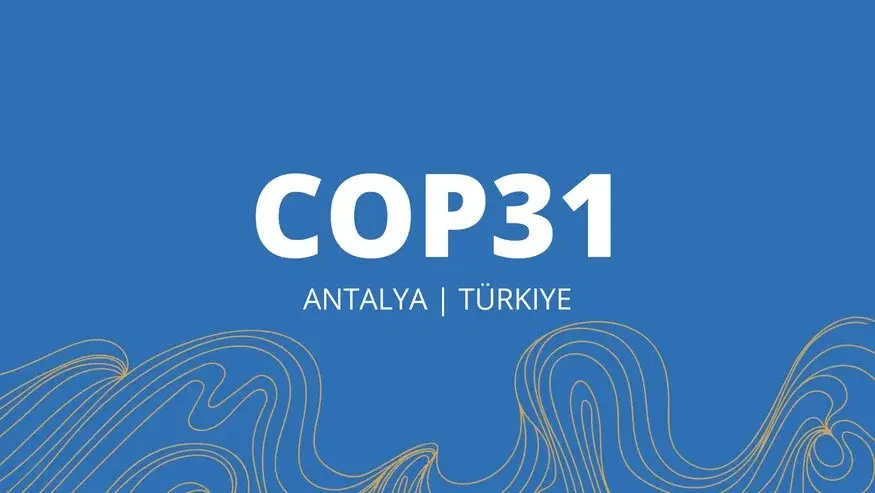
Come November 9 to 20, 2026, the world will converge in the historic Turkish city of Antalya for the 31st edition of Committee of Parties, COP-31, conference on climate change convened by the United Nations. Climate change conferences pull intimidating numbers of delegates from member-nations of the UN annually.
For the COP-30 which took place in Belem, Brazil last year, for instance, Nigeria sent a delegation of 749, out of which 423 were government officials. This rivalled that of China (789 delegates), the most populous and second largest economy in the world.
However, beyond the jamboree of large delegations, facts on ground show that we seriously lag in actions needed to benefit our environment. Persistent shortfalls in domestic climate action undermine our demands for grants and concessional funding.
For 2018 and 2030, Nigeria has a set target of 29 per cent unconditional emissions reduction. Yet by 2022, emissions had already risen over 35 per cent above 2010 levels. If this trend continues, emissions are projected to rise 61-71 per cent higher by 2030. Gas flaring persisted at 203.9 billion scf in 2025—7.54 per cent of total production—despite a 2030 phase-out pledge.
Deforestation claims another four million hectares annually, threatening mangroves and accelerating land degradation, while renewables targets lag. The 2025 goal of 23 per cent renewable in electricity remains unmet, with solar at just 1.19 GW cumulative (mostly off-grid) against a 13.6 GW total grid capacity.
Institutional issues exacerbate gaps, including fragmentation, fiscal constraints, and weak monitoring, trapping policies in an implementation failure cycle despite laws like the Climate Change Act.
At COP31, Nigeria may seek $20-25 billion by 2030 from the $1.3 trillion global goal, plus direct access for state governments. Without bankable projects in renewables, grid upgrades, or methane capture, financiers view oil expansions as incompatible, limiting inflows to the $2 billion National Climate Fund, NCF. Progress on the Energy Transition Plan, like solar mini-grids or flare reduction for carbon markets, stays symbolic amid rising emissions and unmet targets.
Solutions to Nigeria’s problems include enforcement of methane regulations. Nigeria must mandate leak detection and gas capture. The Nigerian Upstream Petroleum Regulatory Commission, NUPRC, must assiduously impose applicable fines. Gas flaring must be slashed at least 95 per cent by 2050 to generate carbon credits. We must boost our renewables deployment. One way to do that is to subsidise on-grid solar to hit 36 per cent by 2030.
We must intensify reforestation and logging monitoring. We must also recharge the national tree-planting initiative with satellite tracking to halve deforestation and protect 309 mangrove species. Institutions in the environment sector should also be reformed and properly funded.
Nigeria must attend COP-31 with credible evidence of results so far achieved if we are to benefit from the global climate fund.
The post What COP-31 could mean for Nigeria appeared first on Vanguard News.