UK student visa rejections rise as overseas applications decline
 SKAiF NewsNG SNN
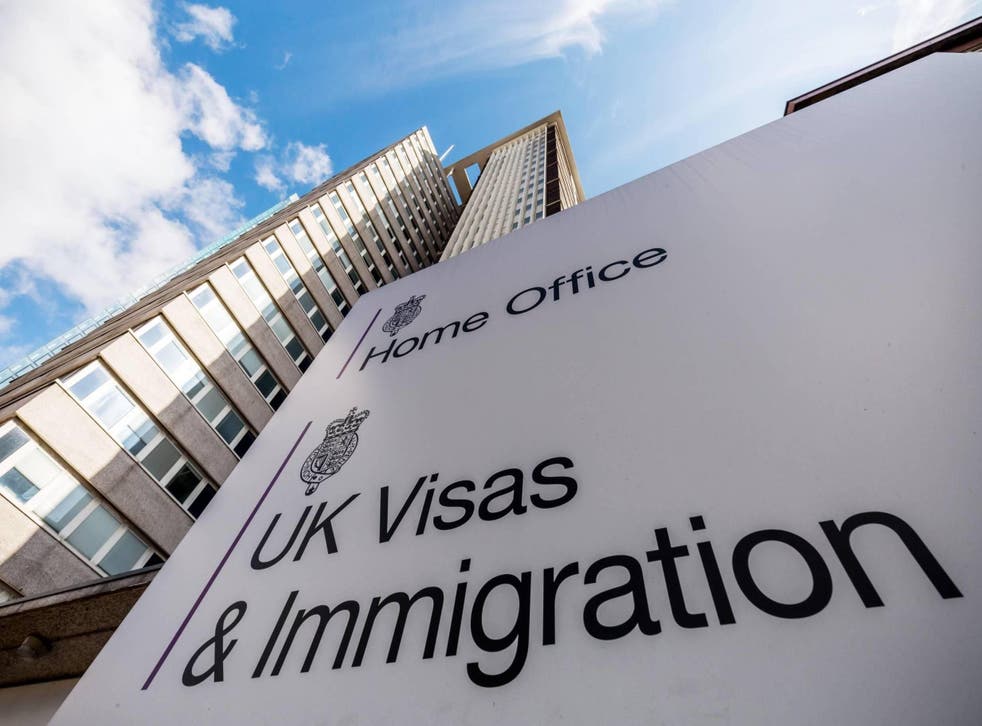
The number of student visas issued by the United Kingdom has dropped to its lowest post-pandemic level, while refusal rates have climbed to their highest point in a decade, according to newly released government data.
Figures published by the UK Home Office on May 21 showed that 35,625 sponsored study-related visas were granted between January and March 2026, marking the lowest first-quarter total since 2020.
The figure represents a decline of nearly one-third compared with the same period in 2025 and is 60 per cent lower than the peak recorded in 2023. Applications also declined across all of the UK’s top 10 student source countries.
Over the 12 months ending in March 2026, a total of 409,954 study visas were granted. This was 3 per cent lower than the previous year and 34 per cent below the level recorded in the year ending March 2023.
Despite the overall drop in applications, visa refusals rose sharply. The number of rejected applications increased by 56 per cent year-on-year to 5,499 during the first quarter of 2026.
Although the total number of refusals was only slightly higher than in 2023, the decline in applications pushed refusal rates significantly higher.
Between January and March, about 13 per cent of all study visa applications were rejected, double the proportion recorded in 2025 and the highest rate since 2015.
International students have also reported experiencing longer visa processing times since January, with applicants from Pakistan said to be among the most affected.
The tougher environment coincided with changes to the UK’s graduate visa scheme introduced in January. Under the revised policy, international graduates will now be allowed to remain in the country for 18 months after completing their studies, down from the previous two-year period.
While countries such as India, Nepal and China recorded only slight increases in refusal rates, other nations experienced much steeper rises.
Visa refusals for Nigerian applicants quadrupled during the period, while rejection rates for applicants from Pakistan and Sri Lanka tripled.
Data showed that only 1 per cent of applicants from China and the United States were denied visas. Refusal rates stood at 4 per cent for Nepal and 7 per cent for India. However, the rate climbed to 21 per cent for Nigeria and 39 per cent for Pakistan.
In response to stricter visa compliance requirements expected to take effect, some UK universities have reportedly halted recruitment efforts in countries with high refusal rates.
Separate Home Office figures also revealed a sharp decline in visas issued to master’s students. About 21,700 entry clearance visas were granted to master’s applicants in the first quarter of 2026, down 35 per cent from 33,300 during the same period in 2025.
The decline pushed one of the UK higher education sector’s most valuable sources of international revenue to its lowest level in six years.
The post UK student visa rejections rise as overseas applications decline appeared first on Vanguard News.