Too much politics in World Cup 2026
 SKAiF NewsNG SNN
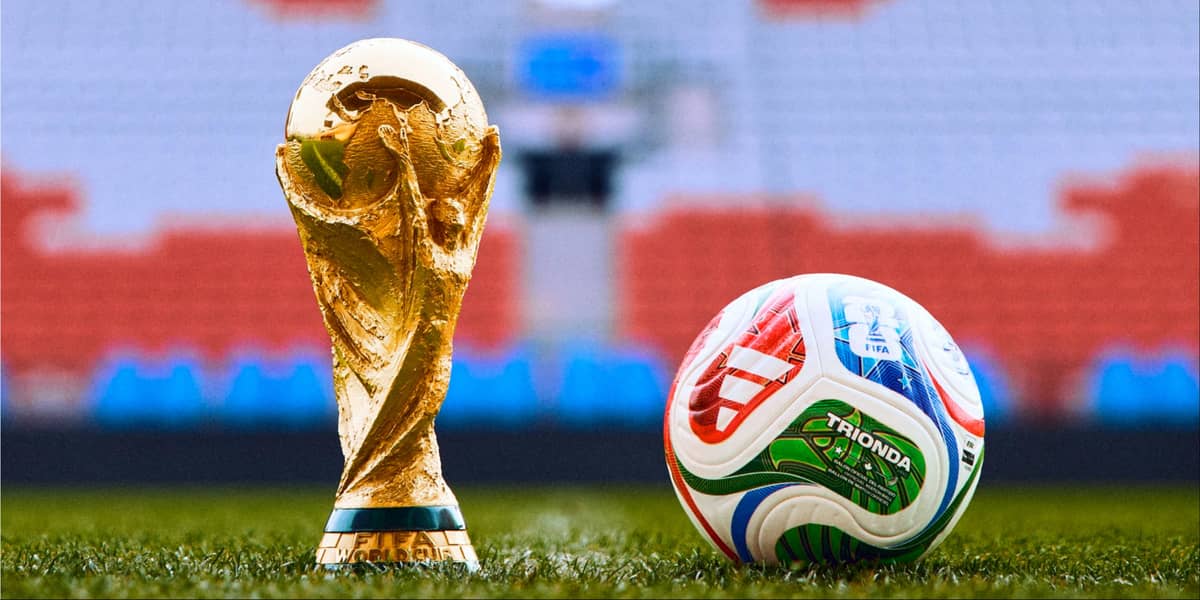
The 2026 World Cup, jointly hosted by Canada, Mexico and the United States, will be remembered less for goals than for the troubling intersection of sport and statecraft that unfolded across North America. FIFA’s projections and briefings indicate that the expanded 48 team tournament is set to be the most lucrative in history, with revenues expected in the range of 11 to 15 billion dollars, far exceeding the 2022 competition in Qatar.
Yet that financial triumph should not blind the world to a more disquieting legacy: political interference that imperils football’s refuge from geopolitics.
One of football’s enduring strengths lies in its capacity to transcend politics, race, religion and national boundaries. FIFA has long defended this principle, sanctioning governments that interfere in the affairs of their football associations and insisting that host nations guarantee unfettered access and equal treatment to all participants. In practice, however, the 2026 tournament exposed tensions between these ideals and the domestic priorities of its principal host.
Economic promises also proved uneven. Local officials across the 16 host cities projected billions of dollars in visitor spending, employment and tax revenues, with some estimates suggesting more than 80 billion dollars in global economic output and over 17 billion for the US alone. Yet emerging data and independent analysis indicate that, while visitor spending and hotel occupancy rose during the tournament, the broader impact on GDP and long term employment is likely to be marginal and short lived, concentrated in leisure and hospitality rather than in the wider economy.
More troubling than inflated forecasts was the experience of Iran’s national team. Their World Cup training base was relocated from Arizona to Tijuana, Mexico, and their movements within the United States were constrained by tight visa windows. The head coach and players publicly described the tournament as a “logistical disaster” and said they had been treated “very unfairly” by the host country. No nation that qualifies for the World Cup should have to endure second class treatment because of diplomatic tensions with a host.
Equally damaging to football’s reputation is any perception that political leaders can influence on field disciplinary decisions. Even the suggestion that a head of state might seek to overturn a red card issued to a national team player fuels suspicion that powerful nations enjoy informal privileges unavailable to others. FIFA’s credibility rests on the consistent, transparent application of its rules. Selective enforcement, whether in visa regimes or disciplinary processes, would erode confidence in the organisation and weaken its moral authority and reputation.
The World Cup belongs to the world, not to its hosts. It is a celebration of fair competition, respect, inclusion and international friendship. Football has survived wars, ideological divisions and global crises because it has remained a common language for humanity.
FIFA must reaffirm zero tolerance for politics in football.
The post Too much politics in World Cup 2026 appeared first on Vanguard News.