The Nzeogwu I interacted with — Brig-Gen Alabi-Isama
 SKAiF NewsNG SNN
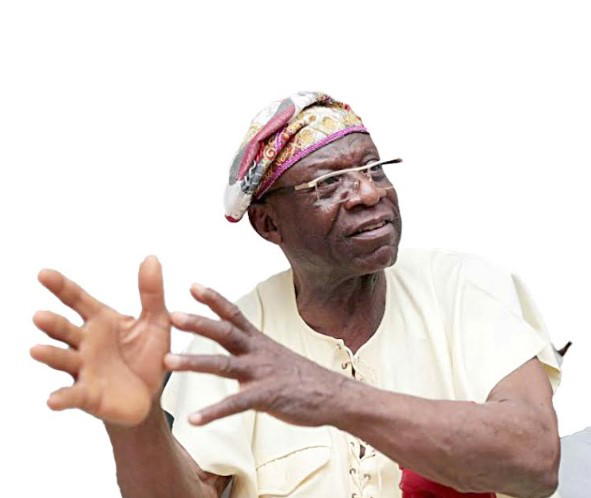
Godwin Alabi-Isama retired from the military as a Brigadier-General and is the author of the very revealing book, THE TRAGEDY OF VICTORY. In an interview with Edmund Obilo, the creator and anchor of STATE AFFAIRS, a current affairs interview programme last year, Alabi-Isama made some revelations about Major Chukwuma Kaduna Nzeogwu like none other has done. Whereas he said he was shocked at the level of blood-letting that was witnessed during the coup of january 15, 1966, he was quick to insist that Nzeogwu did not lead a parochial, nay ethnic coup. He maintained that the driving spirit was a crusade to correct the perceived wrongs of that time. Excerpts from that interview on STATE AFFAIRS.
Read Also: 60 Years After: Remembering the bloody coup that changed Nigeria forever
How would you describe the coupists of January 15, 1966?
They were just graduates who were of like minds.
They could not be indifferent to what was happening in the country
It was not an Igbo coup and I will swear to that. It just so happened that they were predominantly of Igbo extraction, and many of those killed were of Hausa-speaking extraction.
You met Nzeogwu?
Yes. He was in Kaduna and we were always meeting at the Officers Mess.
He just liked my sporting activities and he loved my debates any time we had debates about tactics. He was in charge of tactics at the Nigeria Military Training College, NMTC.
Was Nzeogwu a very calm person?
O yeah! The way you used the word calm.
He was a nice, intelligent officer. He loved discussing tactics and strategy.
And he loved reading books.
Every time he came around, he would ask me which book I read.
He loved discussing tactics and strategy with me.
He wasn’t different from any of us. He never discussed in the officers’ mess things happening about politics.
Nzeogwu was loved by many because when Nzeogwu discusses with you, you would know that this man has something upstairs. That’s why even when he was killed, Hassan Usman Katsina said he should be given full military burial. He was educated and enlightened. During the coup, he went to Hassan and said ‘are you joining me?’ And that one said ‘I’m joining you’. Perhaps if that one had said I wasn’t joining you, maybe he would have gunned him down.
Was he that tough?
I would not say that was tough. I just can’t explain it.
To me that would be described as wickedness. You don’t care about life. It was a desperate move.
So, from what you know about that coup, was he deceptive?
No. He meant well. But, the vitality of human beings is peaceful. Even by nature we are peaceful, we want good things and we want a good life. But somewhere along the line, some people will come and say you’re white, I am black; you’re North, I am South; you’re poor, I am rich. People play on your emotions.
Many civilians would have done that to him and because they did that to him, maybe, he got these ideas. But he probably had discussed issues with friends, people of like minds. I was too junior to him to have that type of discussion. But he respected my contributions in conferences, in debates and in sports.
When you learnt that he was involved in the coup, how did you feel?
I was on holiday. That was my first leave in the army. Officers were discussing politics and corruption and 10% of kickbacks. But then I was too young to be discussing that with senior officers. It was a surprise in a way.
But they were young men in their 20s?
The situation went wrong after independence. Imagine you and I who used to be together, eat together, gist together. Then , suddenly, because I’ve now found myself in a position of authority, you, Edmund, come to my house to ask for me and I tell them to tell you that I’m sleeping or that I’m not in.
A big divide began to emerge. And then, there was the issue of the 10% and corruption which was very rampant.
Are you justifying their action?
At that time, I couldn’t have imagined them killing anybody, especially the senior officers the way they did. My mother once said whoever kills the Sardauna will not see Christmas. And many of them never saw Christmas that year. It was very bloody.
The difference between Nzeogwu and Ifeajuna: How come people hardly talk about Ifeajuna?
The world doesn’t talk about the second person. You are either first or nothing. Ifeajuna did not accomplish anything in that coup. He was a failure. In the Lagos end he got one or two people killed and he ran away. In fact, it got to a stage where he was afraid of killing again. He didn’t have that kind of mindset of killing.
Imagine if Nzeogwu was in Lagos, what would have happened?
Nzeogwu would have levelled Lagos, but if Ifeajuna was in the North, he would have failed again. He was not the leader type of person.
But they gave him Lagos?
Well, he was transferred to Lagos. He was working in Lagos. They couldn’t take him anywhere else (so he was in charge of the Lagos end of the coup).
He was the brigade major to General Maimalari and he was supposed to kill Maimalari, which he did. And Mamalari was his boss. The same Maimalari that loved your tactics?
Exactly. During that coup, I met one officer, David Jemibewon and I asked, ‘did they kill Maimalari?’ He said, ‘yes.’ I just left it like that. He was like my mentor. He was the only Nigerian instructor at the military college when I was a cadet.
The post The Nzeogwu I interacted with — Brig-Gen Alabi-Isama appeared first on Vanguard News.