The 2030 SDGs: Beyond the rhetoric of hope
 SKAiF NewsNG SNN
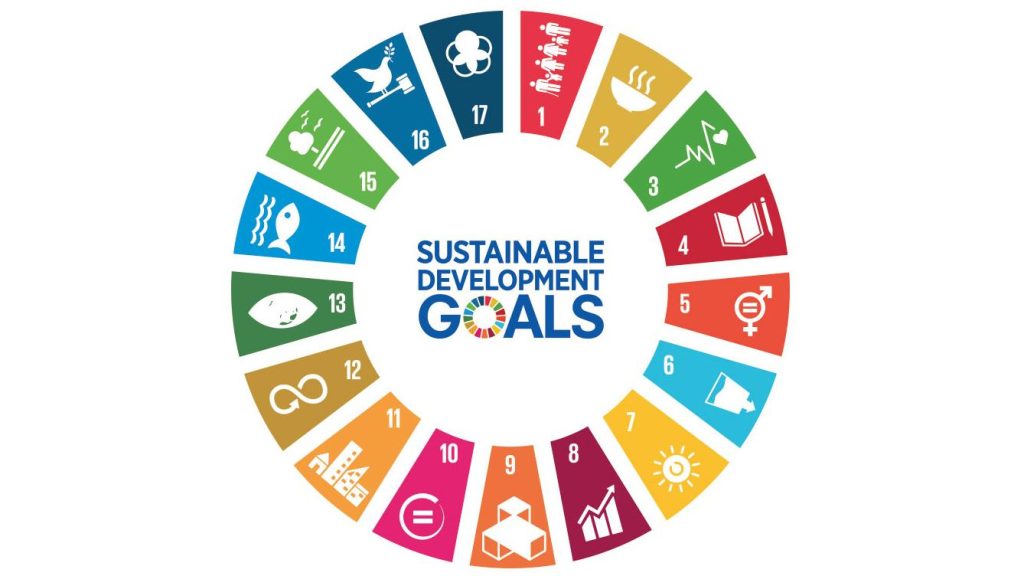
In 2015, Nigeria signed onto the United Nations’ 2030 Agenda for Sustainable Development (SDGs) with the flourish of a nation ready to conquer its demons. It was a grand vision—17 goals and 169 targets designed to dismantle poverty and erect a future of inclusive growth. Yet, as the calendar turns toward the final stretch of this ambitious decade, the sunlight of optimism is being eclipsed by the cold shadows of reality. Nigeria stands at a critical crossroads, where the lofty language of international summits meets the uncompromising reality of the Nigerian street.
The scorecard is, at best, a study in contradictions. We must acknowledge the “pockets of success”—the quiet revolution in digital innovation and the commendable expansion of financial inclusion. These gains prove that the Nigerian spirit is not broken; it is merely starved of consistent policy and precise implementation. However, these digital strides are increasingly overshadowed by a convergence of crises that threaten to render our SDG targets a historical footnote. Globally, we are buffeted by supply chain disruptions and geopolitical tremors from the Russia-Ukraine conflict and the Iran war. Domestically, the wounds are self-inflicted and systemic. The landscape is marred by a security crisis that has metastasized into an agricultural one that threatens food security. Banditry and climate-related disasters have not only displaced communities but have effectively crippled our food systems, making “Zero Hunger” feel like a cruel irony for millions.
The human toll is staggering. We remain haunted by millions of out-of-school children, energy access rates that belong to a different century, and maternal mortality figures that are a stain on our national conscience. While the current administration has introduced bold reforms and social investments, we must be honest: the scale of these interventions is like using a teaspoon to bail water out of a leaking ship. The structural rot of corruption and bureaucratic inefficiency continues to stifle every measurable outcome. The era of policy rhetoric must end today. We can no longer afford the luxury of “roadmaps” that lead nowhere. To save the 2030 agenda, Nigeria must embrace a “war footing” in two specific areas: security and institutional accountability. We must prioritise security to unlock our farms and boost household incomes. We must strengthen our accountability systems to ensure that every naira spent reaches its intended target.
As the clock ticks toward the 2030 deadline, the window for meaningful progress is closing, but it has not yet slammed shut. What Nigerians want is not another vision for the future, but the results they were promised a decade ago. Only bold, coordinated, above-board and data-driven governance can bridge the gap between our stagnation and our promised potential. The time for half-measures has passed; it is time for the results that the Nigerian people deserve.
The post The 2030 SDGs: Beyond the rhetoric of hope appeared first on Vanguard News.