Refuse dumps fade in Onitsha, open defecation surges, as Enugu records progress
 SKAiF NewsNG SNN
By Chimaobi Nwaiwu & Chinedu Adonu
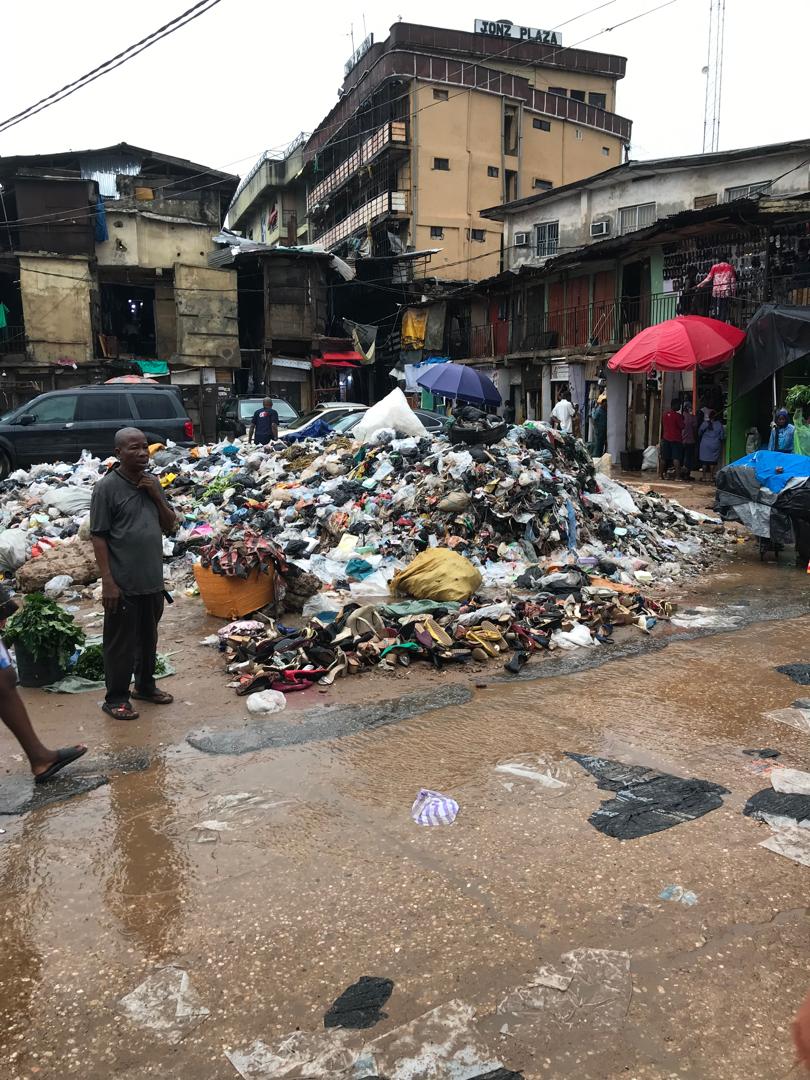
Environmental sanitation is showing contrasting outcomes in the South-East, with Enugu recording significant improvements in waste management and cleaner streets, while Onitsha is witnessing a gradual reduction in refuse dumps but battling a growing challenge of open defecation.
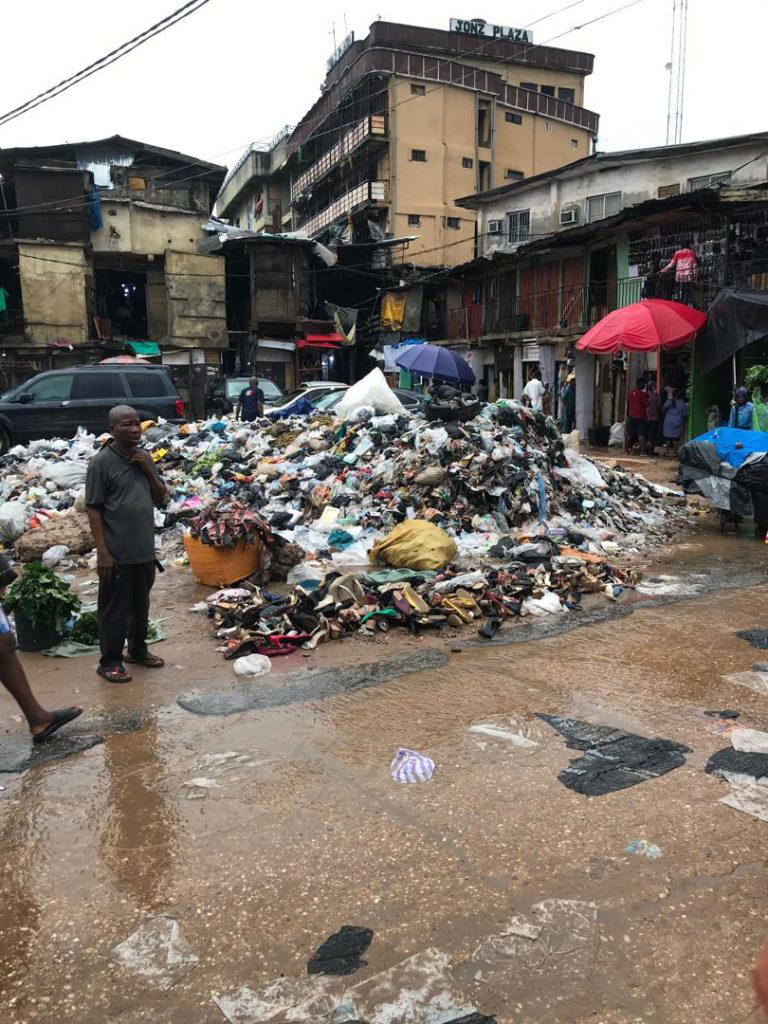
In Onitsha, Anambra State, refuse dump sites that once littered major roads and streets are gradually disappearing, largely due to residents adopting alternative means of disposing of their waste rather than improvements in government waste management.
Many residents now reportedly pool resources to pay private individuals to evacuate refuse, a move aimed at avoiding the inefficiencies of government-appointed waste disposal contractors and the activities of revenue agents who collect sanitation levies.
Some residents, however, continue to dispose of refuse in drainage channels, a practice that environmental observers warn could worsen flooding and other public health risks.
Despite the reduction in roadside refuse heaps, open defecation is said to be increasing across Onitsha and neighbouring communities, including Nkpor, Ogidi, Obosi, Awada and Nkwelle-Ezunaka.
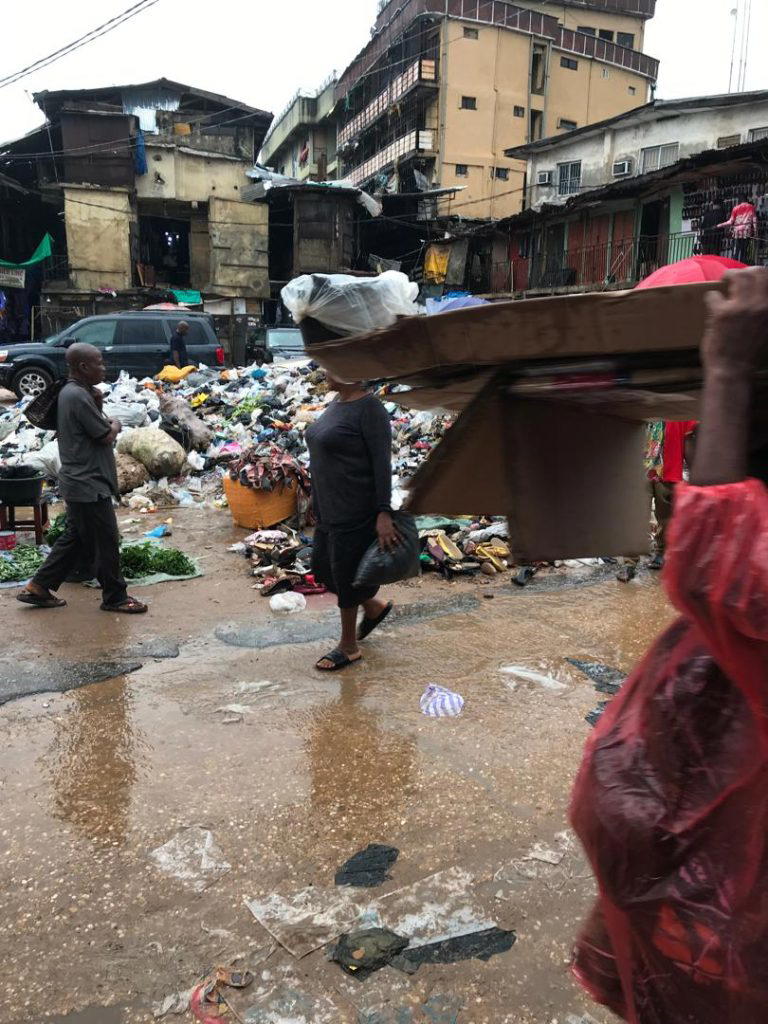
Residents say it is becoming common to see people openly defecating in gutters, abandoned refuse sites and other public spaces, particularly in areas lacking accessible public toilet facilities.
They blamed successive governments for failing to provide adequate public conveniences, arguing that the absence of functional toilets in busy commercial areas has contributed to the growing sanitation challenge.
Some residents also expressed concern that public toilet facilities built years ago in parts of Upper Iweka have become inaccessible to the public, leaving travellers and residents with limited options.
They urged the government to strengthen waste management, provide more public sanitation facilities and intensify enforcement against indiscriminate waste disposal and open defecation.
In contrast, Enugu State has maintained a cleaner metropolis through consistent waste evacuation and improved sanitation services.
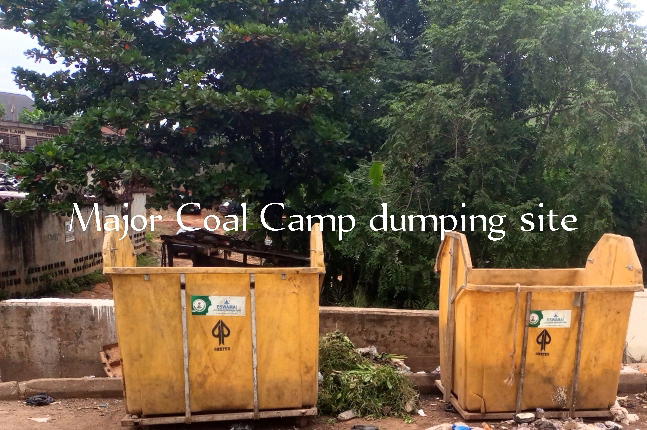
A visit to various parts of the city showed refuse is promptly cleared from designated dump sites by sanitation workers using compactor trucks, smaller waste collection vehicles and tricycles to reach inner streets, significantly reducing overflowing refuse heaps.
Major markets, including Old Park and Coal Camp Spare Parts Market, also have functional public toilet facilities, which residents say have helped discourage open defecation within the markets.
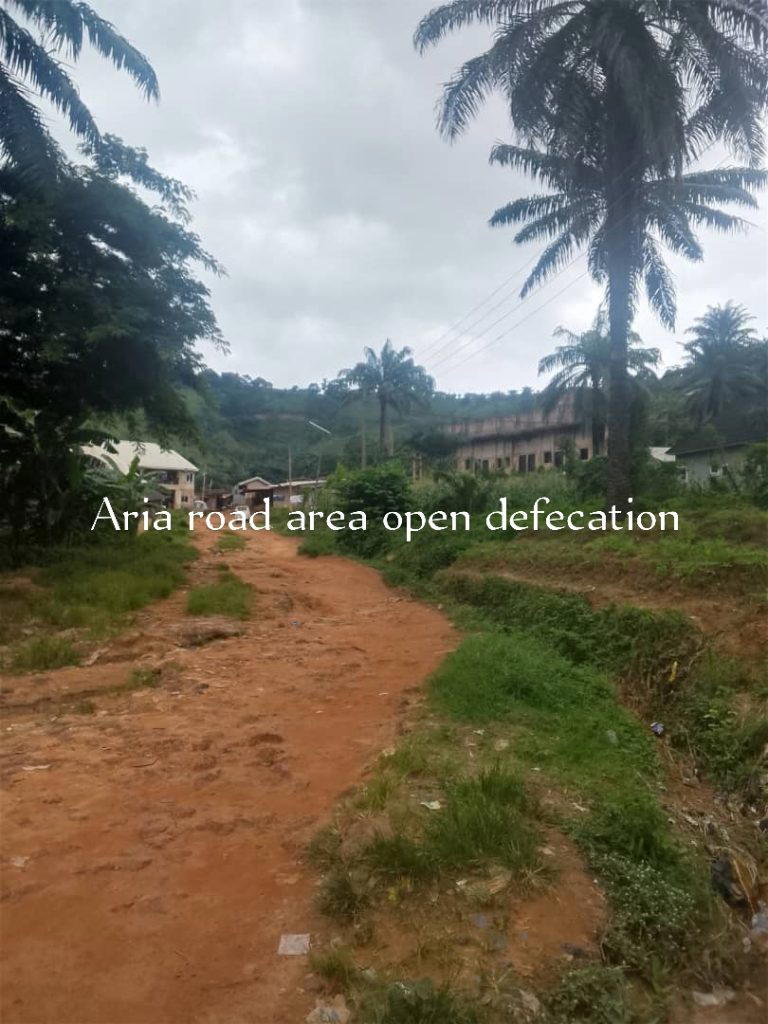
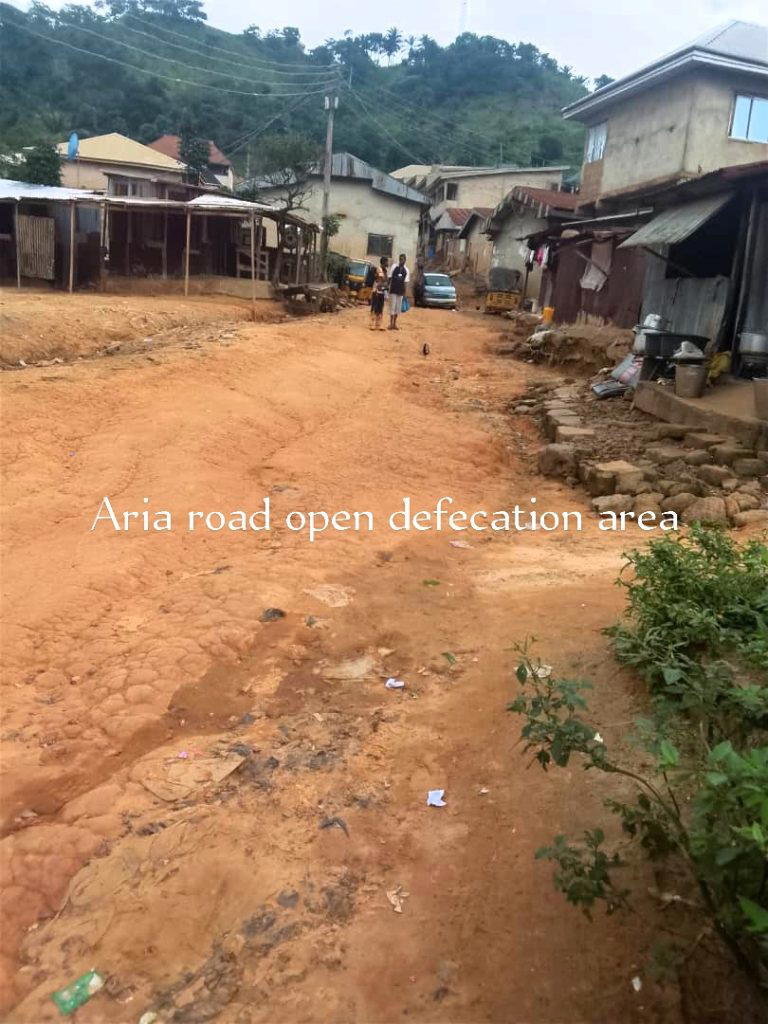
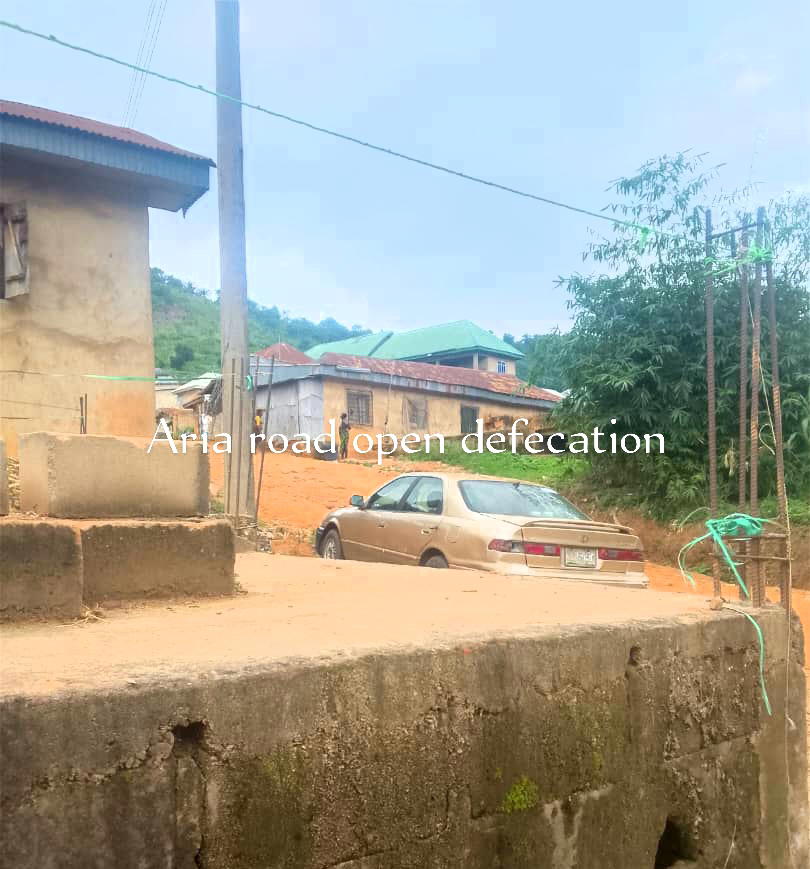
However, findings revealed that parts of Aria Road still struggle with open defecation despite the broader sanitation gains across the state.
Residents attributed the situation primarily to inadequate water supply rather than the absence of toilet facilities, noting that limited access to water discourages the use of available toilets.
Public health experts have maintained that eliminating open defecation requires a comprehensive approach involving adequate toilet facilities, reliable water supply, efficient waste management and sustained public awareness campaigns.
While Enugu’s sanitation efforts have transformed much of the metropolis into a cleaner urban environment, the contrasting experiences in Onitsha and parts of Enugu underscore the need for continued investment in sanitation infrastructure and targeted interventions to improve public health across urban communities.
The post Refuse dumps fade in Onitsha, open defecation surges, as Enugu records progress appeared first on Vanguard News.