Ranked: 10 tallest buildings in the world
 SKAiF NewsNG SNN
The current global skyline is a testament to extreme engineering and architectural ambition. While the rankings have remained somewhat stable for a decade, recent completions and the resumption of massive projects in 2026 have shifted the conversation toward the next frontier of “kilometric” towers.
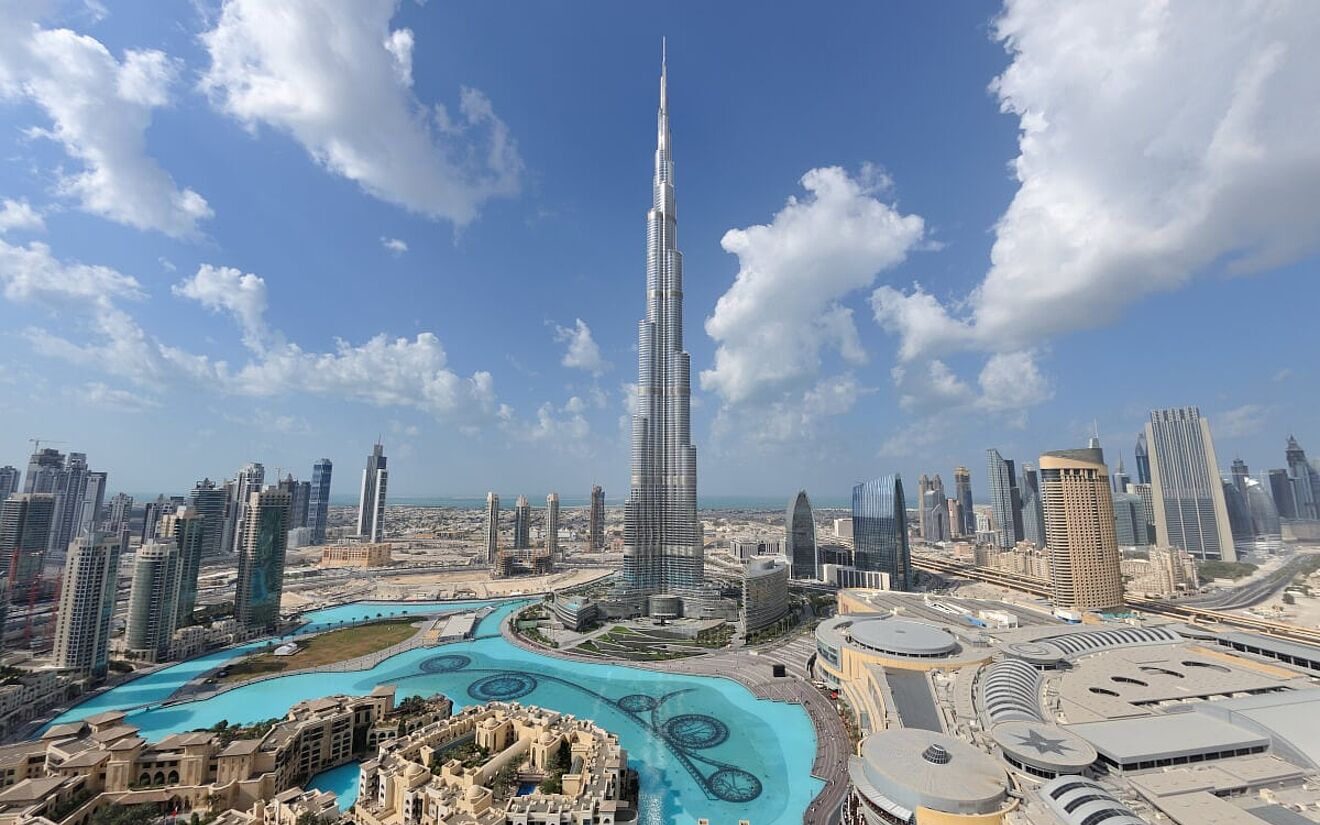
1. Burj Khalifa (Dubai, UAE) – 828 Meters
Since its opening in 2010, the Burj Khalifa has remained the undisputed tallest building on Earth. Designed by Skidmore, Owings & Merrill (SOM), its “Y-shaped” floor plan is inspired by the Hymenocallis desert flower. This shape is functional rather than just aesthetic; it reduces wind forces as the building rises. Inside, it functions as a vertical city, housing the Armani Hotel, private residences, and corporate suites. Its elevators are among the fastest in the world, travelling at roughly 10 meters per second to reach observation decks that offer views of the Persian Gulf.
2. Merdeka 118 (Kuala Lumpur, Malaysia) – 679 Meters
The newest addition to the top tier, Merdeka 118 officially surpassed the Shanghai Tower to become the second-tallest building in the world. Its silhouette is inspired by the gesture made by Malaysia’s first Prime Minister when declaring independence in 1957. The building features a multi-faceted diamond-shaped glass façade that reflects the diverse culture of Malaysia. By 2026, the tower has become a major hub for luxury, hosting the Park Hyatt Kuala Lumpur and the highest observation deck in Southeast Asia, known as “The View at 118.”
3. Shanghai Tower (Shanghai, China) – 632 Meters
The Shanghai Tower is widely considered one of the most sustainable supertall buildings. Its most striking feature is its 120-degree twist, which reduces wind loads by 24%, saving roughly $58 million in structural material costs during construction. It utilises a “double-skin” glass façade that acts like a thermos, providing insulation to reduce energy costs for heating and cooling. It also houses 270 wind turbines near its summit, which power the building’s external lighting.
4. Makkah Royal Clock Tower (Mecca, Saudi Arabia) – 601 Meters
Located just steps from the Grand Mosque, this building is the centrepiece of the Abraj Al Bait complex. It is notable for its four massive clock faces, which are visible from 25 kilometres away. The clock is the largest in the world, measuring 43 meters in diameter. The spire is topped with a massive golden crescent and houses a lunar observation centre and a prayer hall that can accommodate over 10,000 people.
5. Ping An Finance Center (Shenzhen, China) – 599 Meters
Rising from Shenzhen’s Futian District, the Ping An Finance Center is a stainless-steel marvel. It uses 1,700 tons of 316L stainless steel for its façade, making it the largest stainless-steel-clad building in the world, chosen for its resistance to the city’s salty coastal air. Its observation deck, “Free Sky,” sits at 547 meters and features a glass-bottomed cantilevered platform for those seeking a thrill.
6. Lotte World Tower (Seoul, South Korea) – 555 Meters
The Lotte World Tower is a 123-story skyscraper that blends modern aesthetics with traditional Korean art forms, such as ceramics and calligraphy. It is designed to withstand a magnitude 9.0 earthquake—a necessity for its massive scale. A key highlight is the Seoul Sky observatory, which features the world’s highest glass-floor skywalk. The building is also a model of green energy, using geothermal and solar power for a significant portion of its operations.
7. One World Trade Center (New York City, USA) – 541 Meters
Standing at a symbolic 1,776 feet, One World Trade Center is the tallest building in the Western Hemisphere. Its height is a direct reference to the year the U.S. Declaration of Independence was signed. The building’s footprint is exactly 200 by 200 feet, matching the dimensions of the original Twin Towers. Its “shimmering” glass façade consists of eight tall isosceles triangles, creating a rotating hexagonal shape as it reaches toward the spire.
8. Guangzhou CTF Finance Centre (Guangzhou, China) – 530 Meters
Commonly known as the East Tower, this building is famous for having one of the fastest elevators in the world, capable of reaching speeds of 20 meters per second (45 mph). It is a mixed-use tower with setbacks designed to house different functions: offices at the bottom, apartments in the middle, and the Rosewood Hotel at the top. The exterior is accented with terracotta mullions, a nod to traditional Chinese materials.
9. Tianjin CTF Finance Centre (Tianjin, China) – 530 Meters
Though it shares the same height as its Guangzhou counterpart, the Tianjin CTF is distinct for its fluid, curving glass skin. These curves are not just for show; they are aerodynamically optimised to “confuse” the wind, significantly reducing the swaying motion that residents might feel at the top. It is often referred to as the “flimmering” tower because of how the light catches its rounded edges.
10. CITIC Tower (Beijing, China) – 528 Meters
Known affectionately as China Zun, its shape is inspired by the “zun,” a ritual wine vessel from the Chinese Bronze Age. The building is unique because it is wider at the top and bottom than it is in the middle. This “waisted” design was a massive engineering challenge, requiring a highly reinforced concrete core to maintain stability. It serves as the headquarters for the CITIC Group and defines the skyline of Beijing’s Central Business District.
The Looming Giant: Jeddah Tower
While the buildings above are the tallest completed structures, the Jeddah Tower in Saudi Arabia is the most significant project to watch in 2026. After years of pause, construction has resumed at a rapid pace, with the tower now surpassing the 95th floor. Once finished, it will be the first building to reach 1,000 meters (1 km), likely pushing every building on this list down one rank by 2028.
The post Ranked: 10 tallest buildings in the world appeared first on Vanguard News.