QI Group’s Corporate Heartbeat: How the RYTHM Foundation Functions as Social Impact Infrastructure
 SKAiF NewsNG SNN
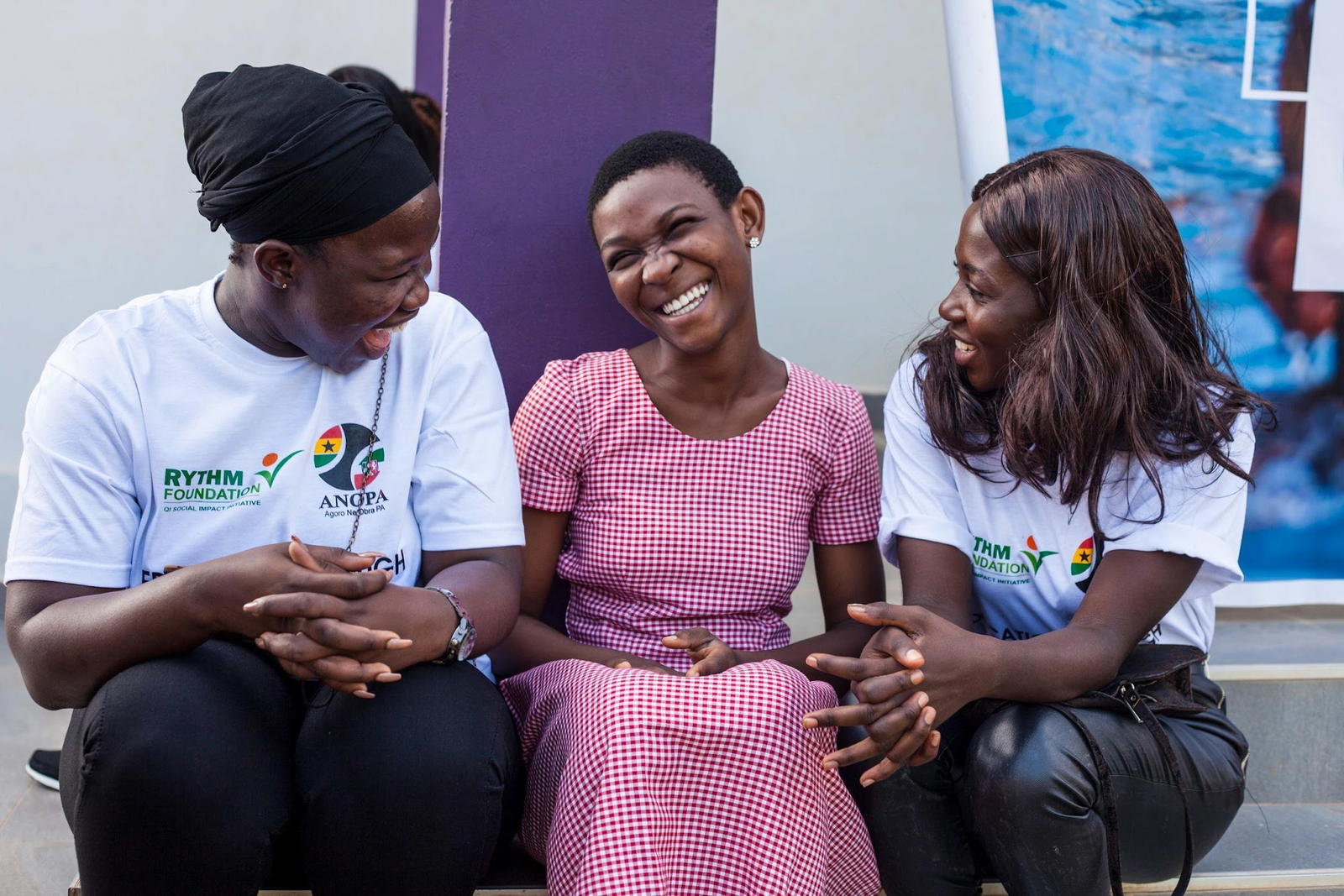
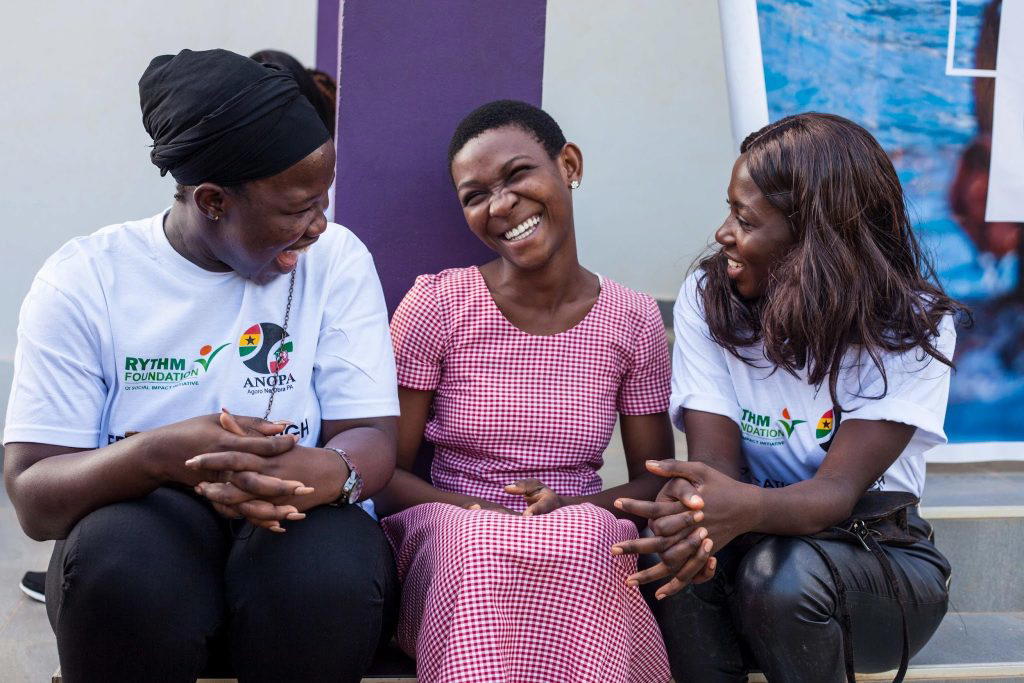
Ten percent of revenue. That’s the commitment QI Group has made, year over year since 2005, directing a fixed share of its earnings into the RYTHM Foundation, its dedicated social impact arm operating across more than 30 countries.
QI Group is a diversified multinational conglomerate founded in 1998. Headquartered in Hong Kong, the company operates in more than 30 countries, with business interests spanning wellness and lifestyle products, education, travel and hospitality, and direct sales. A single philosophy runs through it: RYTHM, meaning Raise Yourself To Help Mankind, an acronym drawn from Mahatma Gandhi’s teachings about personal development as the precondition for serving others.
The RYTHM Foundation is that philosophy put into action.
Built for Accountability
Many corporate foundations run philanthropic programs the way companies run sponsorships: episodic, brand-adjacent, structured for visibility rather than outcomes. RYTHM operates on a different model.
Each partnership carries a minimum three-year term. The foundation disburses support in installments tied to measurable targets, rather than writing one-time checks. “We are doing it because we believe that every corporation needs to have the ability to contribute to the society it has come from,” founder Vijay Eswaran told Alliance Magazine in a 2019 interview.
That same philosophy is reflected across the organisation. The foundation is not a separate entity funded by leftover budgets, but an integrated part of QI Group’s work in community development. This approach is reflected in the more than 125,000 volunteer hours employees have contributed across 30 countries since 2013.
Three Pillars, 115 Projects
The RYTHM Foundation organizes its work across three areas: education, empowerment, and environment. Across those pillars, the foundation has run 115 sustainable community development projects with over 145 partner organizations, reaching more than one million beneficiaries.
The programs are diverse. In Malaysia, the Maharani Programme has reached more than 8,000 girls from underserved communities since 2011 through confidence-building camps and academic coaching. The Panai 3M literacy programme works with indigenous Orang Asli Semelai students in Negeri Sembilan, with a focus on reading, writing, and arithmetic.
Internationally, the foundation partners with established local organizations rather than deploying in-country teams from headquarters, a choice rooted in pragmatism as much as principle. Effective community development in Cambodia or rural India requires local trust and local knowledge that a centrally managed team doesn’t arrive with.
Two Programs Worth Examining
Two recent RYTHM programs are particularly instructive of the foundation’s connection to QI Group’s focus on the “Raise Yourself to Help Mankind” ethos.
In Kedah, Malaysia, the RYTHM Foundation launched a three-year Community Adoption Program in 2024 for the Kensiu people of Kampung Lubuk Legong, a village of roughly 312 residents from 87 families and one of Malaysia’s oldest indigenous communities. The program targets education and sustainable ecotourism. Youth receive training in hospitality, tour guiding, and conservation skills, with a long-term plan to develop Taman Warisan Kensiu as a cultural and economic hub.
Across the region in Manggarai, East Nusa Tenggara, Indonesia, the foundation partnered with Plan International Indonesia to train 200 young farmers in climate-smart agriculture across six villages. Sixty percent of participants are women, ages 18 to 29. Participants develop business strategies alongside farming techniques. The goal is the kind of economic self-sufficiency that extends beyond a single harvest cycle. Both programs address persistent structural gaps: indigenous economic exclusion in Malaysia, agricultural vulnerability in Indonesia. Both carry multi-year commitments and measurable deliverables.
In its 2024 year-end impact summary, the RYTHM Foundation reported 7,081 children impacted, 650 women uplifted through skills and empowerment programmes, and 78 communities engaged. In a December 31, 2025 update, the foundation reported more recent programme-level results, including 1,147 students enrolled in North Bengal, 678 students supported daily in Nepal, 172 children engaged through its Chepang initiative, 2,030 adolescents reached through Safer Cities for Girls, 35 volunteers contributing 1,094 hours, and 299 residential counselling sessions delivered.
Lasting Infrastructure Over Charity
Charitable programs run until the funding runs out. Infrastructure holds weight over time.
The RYTHM Foundation’s design reflects that intent. Its alignment with seven UN Sustainable Development Goals, including SDG 4 (quality education), SDG 5 (gender equality), and SDG 8 (decent work and economic growth), provides external accountability alongside internal targets. Its funding mechanism, a percentage of company revenue rather than a discretionary budget line, ties program continuity directly to the health of the business.
Umayal Eswaran, who chairs the foundation, leads a network of more than 100 grassroots partner organizations across at least 30 countries. The architecture is horizontal: partnerships rather than outposts, local expertise rather than centralized execution.
The RYTHM Foundation model is ultimately a bet on a specific theory of change: that consistent, long-term investment in communities with measurable accountability produces better outcomes than sporadic giving, regardless of the dollar amount.
For a company like QI Group, with a direct sales network that reaches millions of people in emerging economies, social impact that reaches those communities also reinforces the relationships on which the business is built. That alignment between commercial presence and community investment is what distinguishes RYTHM from a line item in an annual CSR report.
It is, rather, the QI Group’s heartbeat.
The post QI Group’s Corporate Heartbeat: How the RYTHM Foundation Functions as Social Impact Infrastructure appeared first on Vanguard News.