Petrol Hike: “My salary not enough to buy fuel every day”: FCT residents abandon cars for public transport
 SKAiF NewsNG SNN
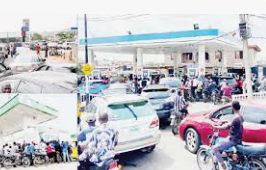
Many car owners in the Federal Capital Territory (FCT) have resorted to using public transportation due to the recent increase in petrol prices, as the rising cost of fuel continues to deepen economic hardship across Abuja.
The News Agency of Nigeria (NAN) reports that low-income earners are also being forced to walk long distances to work, as transport fares become increasingly unaffordable.
Observations along major routes, including the Kubwa Expressway and the Suleja–Mandalla axis, showed significantly reduced vehicular movement on weekdays. Roads that previously experienced heavy traffic are now noticeably less congested, as many private vehicle owners can no longer afford daily fuel costs.
A public servant, Sholape Kolawole, said she had stopped using her personal vehicle due to the high cost of petrol.
“It has been stressful using commercial vehicles, but I have no choice. My salary is not enough to buy fuel every day,” she said, adding that she now relies on public transport despite its rising cost.
Another resident, Mr James Obasi, said the fuel situation had disrupted small transport businesses, with some operators unable to work for weeks due to high operating costs.
Similarly, Mr Emmanuel Ajayi said he had been unable to fuel his car for months, noting that the daily stress of moving between public transport vehicles was affecting his wellbeing.
He called on the government to urgently address the situation and provide lasting relief for citizens.
A development expert, Dr Aliyu Ilias, described the hardship as severe, noting that many Nigerians are now forced to stay home several days a week because they cannot afford transportation.
He argued that despite Nigeria being an oil-producing country, citizens are not benefiting from rising global crude oil revenues, and urged the government to channel part of its earnings into stabilising fuel prices.
He also suggested supplying crude oil to local refineries at subsidised rates to reduce the cost of refined petroleum products.
Meanwhile, the National Coordinator of the Human Rights Writers Association of Nigeria (HURIWA), Emmanuel Onwubikor, described the fuel price increase as an “economic ambush” on Nigerians.
He warned that many small businesses—including barbing salons, workshops, transport operators, and petty traders—risk collapse due to rising operational costs.
Onwubikor called for immediate government intervention, urging the administration to introduce price stabilisation measures and strengthen regulatory oversight to prevent further hardship.
He also warned that continued increases could worsen unemployment and deepen insecurity across the country.
The post Petrol Hike: “My salary not enough to buy fuel every day”: FCT residents abandon cars for public transport appeared first on Vanguard News.