Nigeria, IMF hold talks on Economic Reforms, Growth Plans for 2026–2030
 SKAiF NewsNG SNN
As the global economy moves towards reform-oriented and resilient growth, Nigeria continues to establish itself as a prominent advocate for evidence-based policymaking and inclusive economic transformation.
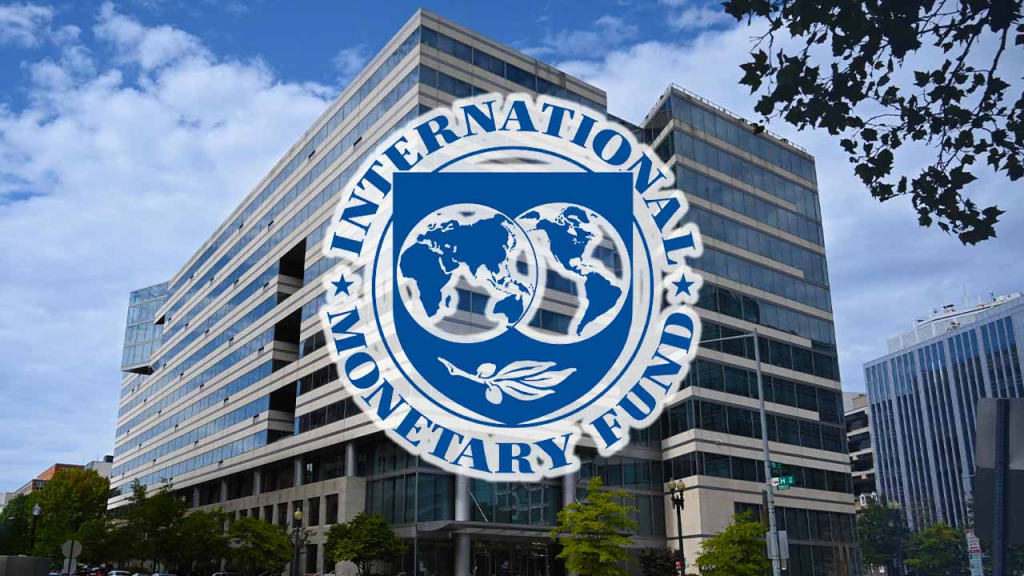
Reflecting this momentum, a high-level delegation from the International Monetary Fund, IMF, led by its Assistant Director of the African Department, Mr Axel Schimmelpfennig, met with Minister of Budget and Economic Planning, Senator Abubakar Bagudu, in Abuja weekend to discuss Nigeria’s ongoing reforms, medium-term outlook, and preparations for the 2026–2030 National Development Plan.
The visit was part of the IMF’s consultative mission to review Nigeria’s fiscal priorities, macroeconomic framework, and reform trajectory, ahead of IMF’s subsequent country report.
In his opening remarks, Schimmelpfennig commended Nigeria’s reform momentum and mentioned the IMF’s interest in understanding how the country’s medium-term strategy aligned with its broader development agenda.
“We would like to hear your thoughts on current developments — your outlook for the next year and the medium term.
“We understand that you are preparing the medium-term framework, the National Development Plan, and the 2026 budget. Having your overall vision at this stage will be extremely helpful,” he stated.
He observed that while pre-election years often bring uncertainty, Nigeria’s consistent policy coherence highlighted its institutional maturity.
“Every country manages pre-election periods differently. But what we see in Nigeria is a continued commitment to reform and policy consistency, a signal of growing institutional strength,” Schimmelpfennig noted.
Responding to the IMF official’s inquiry about Nigeria’s medium-term outlook and the upcoming National Development Plan, Bagudu reaffirmed the government’s commitment to aligning fiscal reforms with national planning to ensure coherence, efficiency and inclusive growth.
He expressed gratitude for the IMF’s constructive engagement and technical assistance over the past two and a half years.
He said: “We are deeply grateful for the guidance and encouragement we have received from the IMF and World Bank.”
Your interrogation and feedback have played a vital role in refining our reforms and ensuring that our economic management remains evidence-based.”
The minister stated that Nigeria’s reform journey under President Bola Tinubu had been characterised by discipline, inclusion and transparency, values that have started to produce measurable progress.
He emphasised that the administration’s vision of a $1 trillion economy by 2030 was based on disciplined reforms and coordinated national planning.
He noted that the Renewed Hope Ward-Based Development Plan was designed to identify and utilise the economic potential of Nigeria’s 8,809 wards, creating a framework for inclusive, bottom-up growth.
Bagudu further explained the ongoing work on the 2026–2030 National Development Plan, which seeks to align strategies across federal, state, and local governments into a cohesive, data-informed framework for sustainable development.
“We are working to make the plan a reflection of Nigeria’s collective ambition — one that incorporates fiscal discipline, subnational collaboration, and the reforms necessary to sustain long-term growth,” he added.
The minister also underlined the importance of ongoing collaboration with the IMF on macroeconomic modelling, fiscal planning, and comparative global development data to enhance policy insights, noting that Nigeria’s approach to reform remained flexible and future-oriented.
“We are not lamenting, we are learning and refining. Our partnership with the IMF is about innovation, not dependency, and will continue to guide Nigeria’s reform-driven path towards sustainable growth,’’ the minister said.
The post Nigeria, IMF hold talks on Economic Reforms, Growth Plans for 2026–2030 appeared first on Vanguard News.