Messi wept, by Stephanie Shaakaa
 SKAiF NewsNG SNN
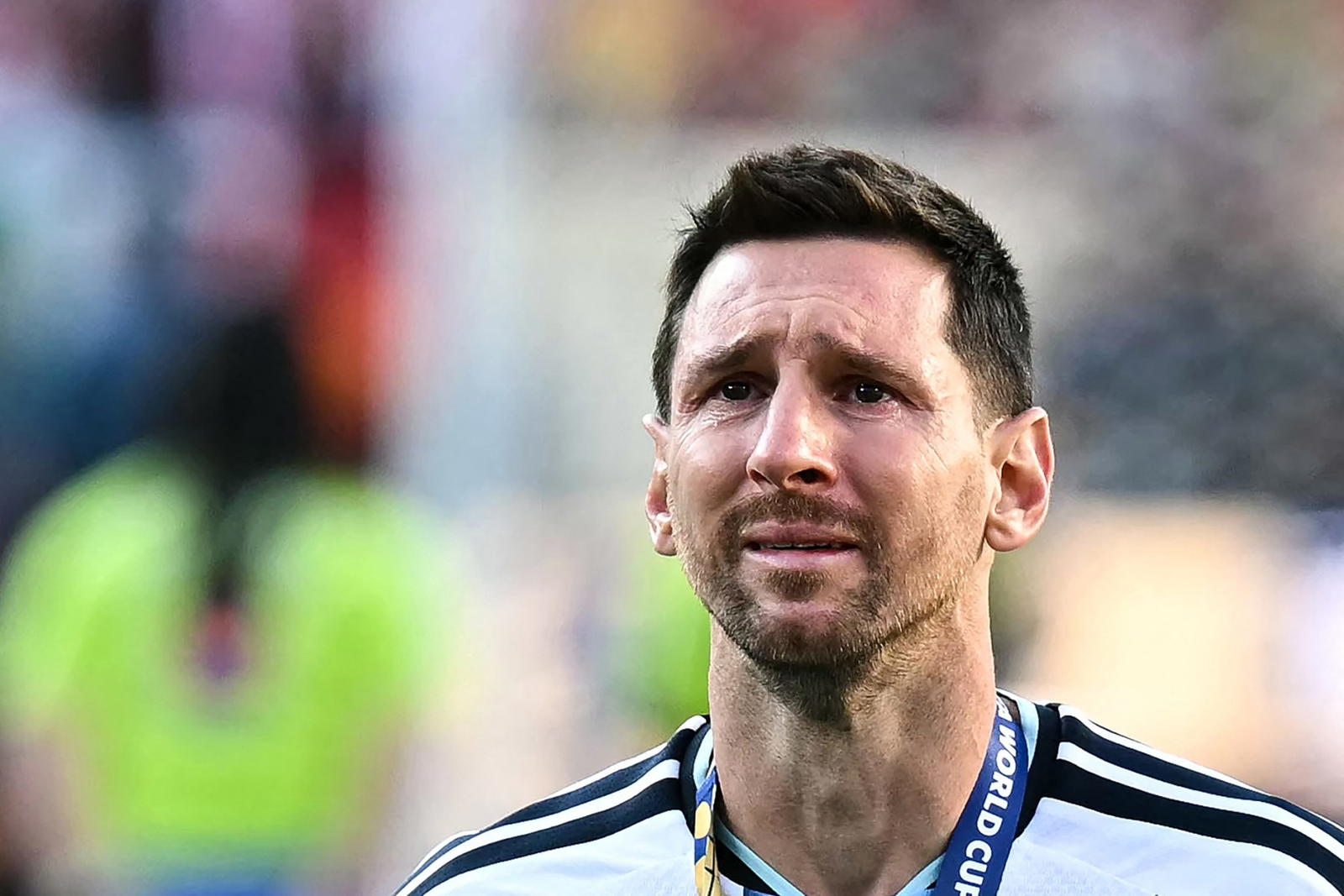
History is usually indifferent to us. It moves with the patience of a glacier, erasing empires and assembling centuries without ever asking permission. But every so often, it pauses long enough to leave us with an image that explains an entire age.

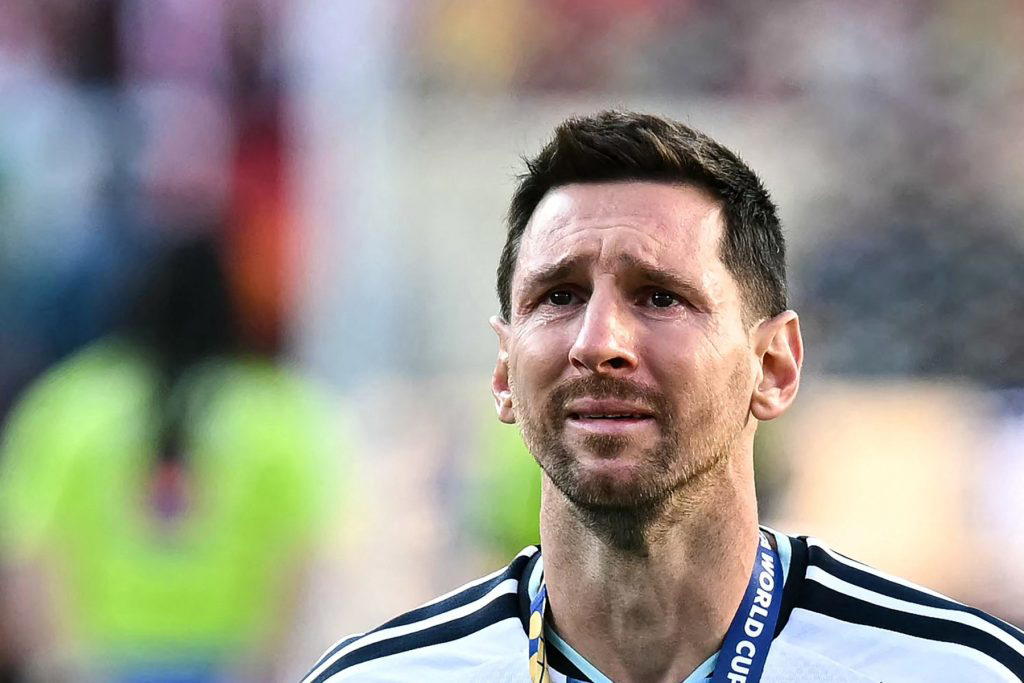
For this generation, that image may well be Lionel Messi in tears.
Not because Argentina lost. Not because another trophy slipped through his fingers. Those things belong to the ordinary arithmetic of sport. No, the image endures because it confronted billions of people with a truth they have spent twenty years trying to negotiate with: time remains undefeated.
There is a reason the shortest verse in the Bible continues to echo across centuries. “Jesus wept” is profound not because of its length, but because of what it reveals. Even the figures we elevate beyond humanity eventually return to it. The tears are not the story. The limitation is.
For two decades, we treated Lionel Messi as an exception to the rules that govern the rest of us. He was less a footballer than a recurring interruption in reality. He made impossible angles appear inevitable. He bent matches to his will with such regularity that we slowly ceased to think of him as a man and began to regard him as a force of nature.
And perhaps that is what all civilizations do. Ancient societies produced kings and asked them to carry the burden of history. Religious societies produced prophets and entrusted them with eternity. Modern societies produce celebrities and ask them to carry burdens that once belonged to institutions.
We no longer build monuments to gods. We build them to footballers, musicians, billionaires, and political strongmen. Then we ask them to save us from the world we have collectively failed to build.
Messi never volunteered for this role. Neither did Maradona. Neither did Pelé. Yet somewhere along the way, football ceased to be merely a game and became a theater in which humanity rehearses its oldest fantasy.That one extraordinary individual might spare us from the consequences of our ordinary failures.
That fantasy has always had an expiration date.
Watching Messi cry was not heartbreaking because he had failed. It was heartbreaking because time had finally caught him. The same clock that humbled emperors, outlived conquerors, and buried entire civilizations had eventually arrived, quietly and without ceremony, for the little boy from Rosario.
And in that moment, something larger than a football match came to an end.
The Age of the Savior died.
For years, we have organized our worlds around exceptional people. We build football teams that collapse without their star player. We build political movements around personalities instead of principles. We build companies around founders and nations around myths. Then we act surprised when mortality inevitably presents us with an invoice.
Perhaps our obsession with sporting saviors reveals something deeper about us. We have always preferred heroes to institutions because heroes are easier to love. Institutions are slow, procedural, and painfully unglamorous. They demand patience. Heroes demand only belief.
But history has always favored builders over believers.
Every great team eventually faces the same question: what remains when the genius leaves?
It is a question that football asks every decade and civilization asks every century.
The greatest teams of this era understood this long before the rest of us. They were not merely collections of talent; they were systems. They did not ask one man to carry eleven. They built structures capable of surviving the inevitable departure of their icons. They understood a lesson that societies continue to resist: sustainability is far less glamorous than greatness, but it lasts much longer.
Meanwhile, the world continues its endless pursuit of spectacle. The 2026 World Cup, with its expanded format, sprawling geography, and immense commercial machinery, rolls forward as all great spectacles do. Stadium lights remain bright. Broadcast deals continue to multiply. The industry survives because industries always survive.
The individual does not.
Long after the cameras have stopped searching for tears and the debates about legacy have exhausted themselves, the same questions will remain before us. Who built institutions capable of enduring? Who invested in foundations instead of facades? Who prepared for the day when their saviors could no longer save them?
Because that day always comes.
Messi’s tears were not tragic because a footballer lost a match. They were tragic because, for one brief moment, billions of people were forced to watch time defeat someone they had spent two decades believing was exempt from it.
And perhaps that is why the image unsettles us so deeply.
We do not mourn the fall of our heroes because they fail us.
We mourn them because they remind us that one day, time will do the same thing to us.
When the tears dried, the crowd dispersed, and the lights finally dimmed, the world remained exactly as it was before: unfinished, demanding, and waiting.
The hero left.
The work did not.
And perhaps that has always been the point.
The post Messi wept, by Stephanie Shaakaa appeared first on Vanguard News.