Marketers retain high petrol prices despite Dangote Refinery reduction
 SKAiF NewsNG SNN
By Obas Esiedesa, Abuja
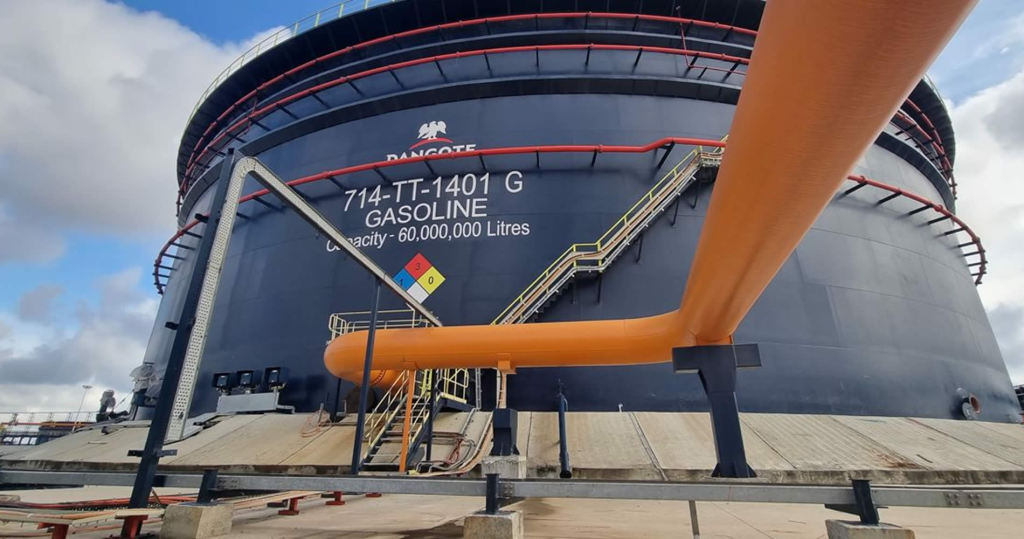
Fuel marketers across Abuja on Wednesday continued to sell Premium Motor Spirit (PMS), popularly known as petrol, at old prices more than 24 hours after the Dangote Petroleum Refinery announced a reduction in its ex-depot price.
Checks showed that major retail outlets had yet to adjust their pump prices despite the refinery’s N75 per litre reduction announced earlier in the week.
At stations visited in the Federal Capital Territory, the Nigerian National Petroleum Company (NNPC) Retail and TotalEnergies outlets sold petrol at N1,335 per litre, while AA Rano sold at N1,350 per litre. AYM Shafa and Conoil outlets sold at N1,330 per litre.
The development has sparked public expectation that the reduction in Dangote Refinery’s gantry price would quickly reflect in retail pump prices nationwide.
Explaining the delay, the President of the Petroleum Products Retail Outlets Owners Association of Nigeria (PETROAN), Dr. Billy Gillis-Harry, said pump prices are influenced by multiple factors beyond refinery ex-depot pricing.
He said transport, logistics, and stock acquisition costs all affect retail pricing.
“Prices reflecting at the pump are dependent on availability of the product, cost of purchase, logistics, and delivery to consumers,” he said.
Gillis-Harry explained that marketers often sell existing stock purchased at higher rates before adjusting to new lower prices.
He noted that while price increases tend to reflect quickly, reductions are usually slower due to inventory replacement dynamics.
On why price hikes are often immediate while reductions lag, he said market supply conditions and restocking pressures play a key role.
He added that marketers may need to exhaust existing inventory before implementing downward adjustments.
Energy analyst Olabode Sowunmi also said petrol pricing in Nigeria is shaped more by domestic logistics and supply chain costs than by global crude oil fluctuations alone.
He noted that while international crude prices influence global markets, their direct impact on Nigeria’s pump prices is limited under current arrangements.
He explained that Dangote Refinery’s crude supply structure, which includes naira-based transactions, also affects pricing dynamics.
According to him, transportation and distribution costs within the country remain major drivers of final pump prices.
“So basically, our cost issues in terms of reflecting to the final person deal with our own logistics rather than geopolitics,” he said.
Sowunmi added that the speed at which price reductions are passed to consumers ultimately depends on market behaviour and individual marketers’ decisions.
The post Marketers retain high petrol prices despite Dangote Refinery reduction appeared first on Vanguard News.