Making gas operations safer
 SKAiF NewsNG SNN
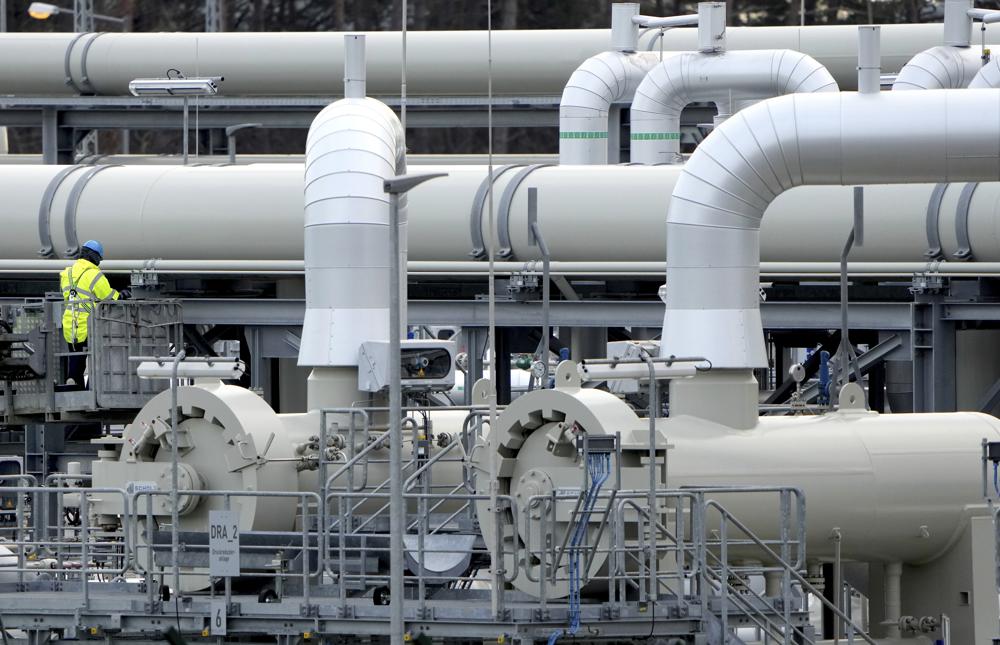
Nigeria’s ambition to expand the use of liquefied petroleum gas (LPG) must be matched by a serious commitment to safety. The Nigerian Association of Liquefied Petroleum Gas Marketers (NALPGAM), at its recent webinar on operational excellence and compliance, warned that rising consumption alone cannot guarantee a sustainable industry. Every facility must be safe, every operator competent, every process compliant and every customer protected.
The warning is timely. LPG offers households and businesses a cleaner alternative to firewood, charcoal and other polluting fuels, but it is highly flammable. Leaking gas, overfilled cylinders, defective valves, poorly maintained equipment and unsafe storage can turn premises into disaster scenes. Illegal decanting and unauthorised propane blending compound these risks, endangering workers, consumers and neighbouring communities. Such practices must not be treated as commercial shortcuts.
NALPGAM’s proposed Standard of Operational Excellence, built around safe facilities, trained personnel, compliant processes and consumer protection, deserves support. But a declaration is not enforcement. The association must translate its aspiration into measurable obligations for members, while the Nigerian Midstream and Downstream Petroleum Regulatory Authority (NMDPRA) must sustain inspections, investigate violations and apply sanctions. Operators should maintain equipment, verify cylinder integrity, provide fire and gas-detection systems, and report incidents promptly. Regulators should publish inspection and enforcement data so the public can judge progress.
Technology can strengthen this effort. Smart filling systems, calibrated load cells, flow meters, automated tank gauges and vehicle tracking can improve measurement, trace product movements and expose losses or suspicious transactions. Digital tools, however, are no substitute for trained staff, independent checks and functioning emergency procedures. Small operators may need affordable training, technical guidance and finance for compliant upgrades; such assistance must never become an excuse to relax minimum safety standards.
Safety also has an economic dimension. Accidents destroy lives, property, investment and public confidence. Consumers who fear explosions or suspect short-changing may avoid cooking gas, frustrating efforts to broaden its use. Reliable cylinder traceability, approved exchange arrangements, accurate measurement and clear consumer information can build trust. Government should involve marketers in LPG penetration and cylinder recirculation programmes, while improving supply and distribution infrastructure to make fuel more accessible and affordable.
The stakes extend beyond individual kitchens. Wider adoption of LPG can reduce household exposure to smoke from solid fuels and ease pressure on forests. A safer, better-regulated market can also attract investment, support certified local cylinder manufacturing, create jobs and deepen Nigeria’s energy economy. The national target of five million tonnes of annual LPG consumption by 2030 will mean little if expansion outpaces safety capacity.
Government, regulators and marketers must turn promises into deadlines, audits, transparent reporting and consequences for negligence. Safety must govern every delivery, filling and transaction. Only then can Nigerians embrace gas with confidence, the environment benefit, and the industry become a pillar of economic diversification.
The post Making gas operations safer appeared first on Vanguard News.