M-East war: US lifts Iranian ports’ blockade as deal comes into force
 SKAiF NewsNG SNN
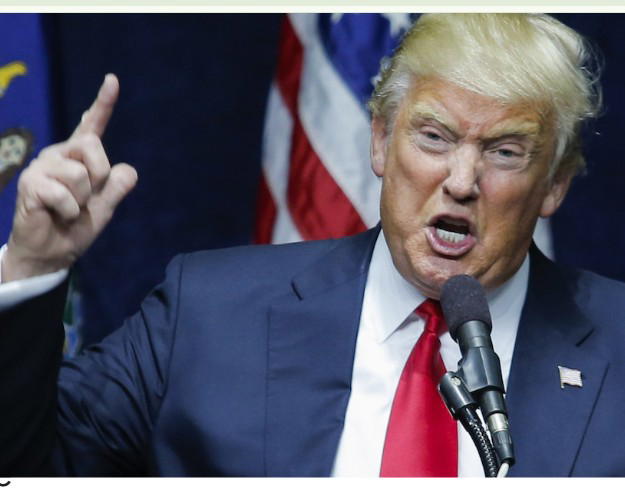
lWhy I okayed deal despite having different view — Iran’s supreme leader
By Nkiruka Nnorom with agency report
United States yesterday said it has lifted its blockade on Iranian ports near the Strait of Hormuz, after both countries signed the initial peace deal aimed ending the over 40 days war.
Following the signing, Vice President JD Vance said 12.5 million barrels of oil had passed through the strait the previous night, noting that Iranian forces had not fired on any ships.
“Today, U.S forces lifted the blockade on all maritime traffic entering and exiting Iranian ports and coastal areas, in accordance with the President’s direction,” U.S Central Command, Centcom, said in a statement.
Centcom, however, said that the navy would “remain in the general area” to ensure the agreement with Iran is “adhered to, obeyed and in full force and effect”.
Meanwhile, President Donald Trump, who signed the deal in France during the G7 summit, said the deal made significant political and financial concessions to Iran to reopen the strait of Hormuz and prevent a worldwide depression.
Initial MoU signed
The text of the MoU, indicated that both parties have committed to negotiating and achieving the final deal in maximum 60 days, extendable with mutual consent.
They also committed to an immediate and permanent end to military operations on all fronts, including Lebanon, with both sides pledging not to initiate war, refrain from the threat or use of force, and respect each other’s sovereignty and territorial integrity.
Under the agreement, the U.S will begin lifting its naval blockade of Iran immediately and fully end it within 30 days, restoring commercial vessel traffic to pre-war levels.
It will also remove its forces from areas near Iran within 30 days after the final deal. In return, Iran will ensure safe passage for commercial vessels through the Persian Gulf and Strait of Hormuz for 60 days, clearing technical and military obstacles within 30 days, and will hold talks with Oman and other Gulf states on future maritime arrangements.
Economically, the U.S committed to work with regional partners on a $300 billion reconstruction and development plan for Iran and to terminate all sanctions, including UN Security Council and IAEA resolutions and unilateral U.S sanctions, on an agreed schedule in the final deal. Treasury will issue waivers for Iranian oil and petroleum exports and associated services immediately, and frozen Iranian funds and assets will be made fully available.
On nuclear issues, Iran reaffirmed it will not procure or develop nuclear weapons and agrees to resolve the disposition of its enriched material under IAEA supervision, with details on enrichment and nuclear needs to be negotiated for the final deal. Pending the final agreement, both sides will maintain the status quo on Iran’s nuclear programme and U.S sanctions and force posture, and will establish a monitoring mechanism to oversee implementation. The final deal is to be endorsed by a binding UN Security Council resolution.
Deal will stave off global economic catastrophe— Trump
Trump defended the proposal, saying it would stave off an “economic catastrophe”, but warned that the US would “bomb the hell” out of Iran if no final deal emerged.
“I didn’t want to see economic catastrophe, If you kept this going, that could have happened,” Trump said.
“All I know is every time we talked about the possibility of peace, the stock market shot up like a rocket ship. Every time we said something negative, like, guess what, we’re not going to be able to settle, it would go down very big,” he added.
Why I okayed deal despite having different view —Iran’s supreme leader
Meanwhile, Iran’s Supreme Leader Ayatollah Mojtaba Khamenei said, yesterday, that he had approved the deal with the US to end the Middle East war despite having a “different view”, without elaborating.
“In principle, I had a different view (about the memorandum of understanding), but I issued my permission due to the commitment that the honourable (Iranian) president, as the chairman of the Supreme National Security Council, gave me on behalf of himself and other members to protect the rights of the Iranian nation and the Resistance Front,” Khamenei said in message read on state television.
Khamenei said Trump had “used all kinds of levers” to secure the deal “out of desperation.”
In his message, Khamenei noted that he received assurances from Pezeshkian about the deal and that it would not be accepted “if the American side wants to make excessive demands.
“It is obvious that the face-to-face negotiations that will be held in the future will not mean accepting the enemy’s point of view,” he added.
The post M-East war: US lifts Iranian ports’ blockade as deal comes into force appeared first on Vanguard News.