Lagos targets 40% food self-sufficiency, Sanwo-Olu says
 SKAiF NewsNG SNN
By Olasunkanmi Akoni
LAGOS — The Lagos State Government has set a target of increasing food self-sufficiency from 20 per cent to 40 per cent of the state’s demand through innovation, infrastructure development and strategic partnerships.
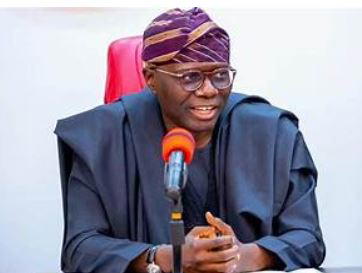
Governor Babajide Sanwo-Olu disclosed this on Friday, represented by his deputy, Dr Obafemi Hamzat, at the grand finale of the 2026 World Food Day celebration held at the Nigeria Police College, Ikeja.
Sanwo-Olu said Lagos, despite being Nigeria’s smallest state by landmass and having a population of more than 22 million, could not achieve food security simply by expanding farmland.
He said the state would have to increase productivity on available land, strengthen food supply partnerships with other states, process more of the food it consumes and reduce waste.
According to him, the administration’s Five-Year Agricultural and Food Systems Roadmap is designed to raise food self-sufficiency from about 20 per cent to 40 per cent of the state’s food demand.
He said the theme of this year’s celebration, “Innovate Today, Nourish Tomorrow,” underscored the need for practical solutions to hunger and malnutrition across the agricultural value chain, from farms and processing centres to markets and households.
The governor said the state would invest in skills development, financing, technology and market access for stakeholders while reducing post-harvest losses through improved storage, processing and logistics.
He also emphasised the need to balance food affordability with nutrition and environmental sustainability, urging farmers to sustain production and embrace innovation.
Sanwo-Olu assured farmers of the government’s continued commitment to their welfare, describing them as partners in the state’s food security efforts.
Infrastructure, markets
Outlining the administration’s food systems agenda, the governor identified infrastructure and markets, production and processing, people and skills, and innovation and support as its four major pillars.
On infrastructure, he said the government was developing a three-tier food distribution system comprising the Lagos Central Food Security Systems and Logistics Hub, mid-level agro-produce hubs and last-mile distribution networks to reduce intermediaries and food waste.
He disclosed that Phase One of the central hub at Ketu-Ereyun, Epe, was at an advanced stage.
He added that two mid-level hubs at Abijo in Ibeju-Lekki and Dairy Farm in Agege had been commissioned, while construction was ongoing at Opebi in Ikeja and Bombata on Lagos Island.
Under the Produce for Lagos Programme, Sanwo-Olu said farmers were being linked to structured offtake arrangements to guarantee markets for their produce.
He added that registration of farmers in Lagos and partner states was ongoing following the launch of the N500 billion Guarantee Offtake Fund.
Rice, dairy, aquaculture projects
On production and processing, the governor said the Lagos Rice Mill in Imota, with an annual capacity of about 2.5 million 50-kilogramme bags, had created more than 2,000 jobs and empowered 500 farmers.
He said the Eko Agro Mechanisation Programme, through its Tractor-On-The-Go application, had facilitated the cultivation of more than 3,000 hectares for 6,000 farmers.
The 750-hectare cattle feedlot project at Igbodu, Epe, he added, was expected to fatten more than 100,000 cattle annually.
Sanwo-Olu also disclosed that fresh milk production had commenced at the pilot dairy farm in Iyafin, Badagry, with daily yields exceeding 24 litres per cow.
He said the Lagos Aquaculture Centre of Excellence at Igbonla, Epe, was projected to produce 50 million fingerlings, 2,000 tonnes of fish and 24,000 tonnes of aquafeed annually.
4,400 youths, women trained
On human capital development, the governor said the Lagos Agripreneurship Programme had trained more than 4,400 youths and women, with over 2,000 beneficiaries receiving assets to support their agricultural ventures.
He added that 12 schools reached the finals of this year’s Lagos Agric Scholars Programme.
Under the innovation and support pillar, Sanwo-Olu announced a N200 million commitment to Lagos Agrithon 3.0, following the award of N150 million in grants at the Agrinnovation Summit 2.0.
He said the latest edition of the initiative had attracted more than 200 entries.
The governor further disclosed that 5,000 farmers had benefited from a 25 per cent subsidy under the Ounje Eko Farmers Subsidy Programme.
Sanwo-Olu pays tribute to farmers
Describing the celebration as the last World Food Day event of his administration, Sanwo-Olu paid tribute to farmers for their contributions to the state’s food economy.
“You matter to Lagos State. Your work matters. Your welfare matters. Your future matters. My tenure will end, but the importance of the farmer must never diminish,” he said.
He outlined five priorities for sustaining food security in the state: accelerating innovation, deepening partnerships with food-producing states, investing in people, reducing post-harvest losses, and pursuing affordability, nutrition and sustainability together.
Sanwo-Olu also commended the British American Tobacco Nigeria Foundation for its support and praised the Commissioner for Agriculture and Food Systems, Abisola Olusanya, and the ministry’s management and staff for implementing the administration’s agricultural programmes.
Lagos reviews agricultural achievements
In her address, Olusanya said the state had strengthened food security through investments in agricultural infrastructure, food processing, distribution and farmer support over the past seven and a half years.
She highlighted ongoing initiatives in rice milling, dairy production, aquaculture, food logistics and agricultural innovation, describing them as components of efforts to build an integrated and sustainable food system.
The commissioner said the celebration provided an opportunity to review the administration’s achievements in agriculture and recognise stakeholders who had contributed to the state’s food economy.
She listed several government-backed initiatives aimed at improving agricultural productivity and supporting different segments of the food value chain, including Lagos CARES, FADAMA, the Lagos Agricultural Programme, the Lagos State Agricultural Support Programme and the Butchers’ Academy.
Olusanya also highlighted investments in the Lagos Rice Mill, the central food logistics hub, mid-level food markets and last-mile meat distribution facilities.
She said the state had expanded into dairy production and cattle feedlot development, adding that locally produced fresh milk was being consumed daily in Alausa, with plans to extend the initiative to schools.
The post Lagos targets 40% food self-sufficiency, Sanwo-Olu says appeared first on Vanguard News.