Jigawa, Kano, Katsina lead out-of-school crisis — UNICEF
 SKAiF NewsNG SNN
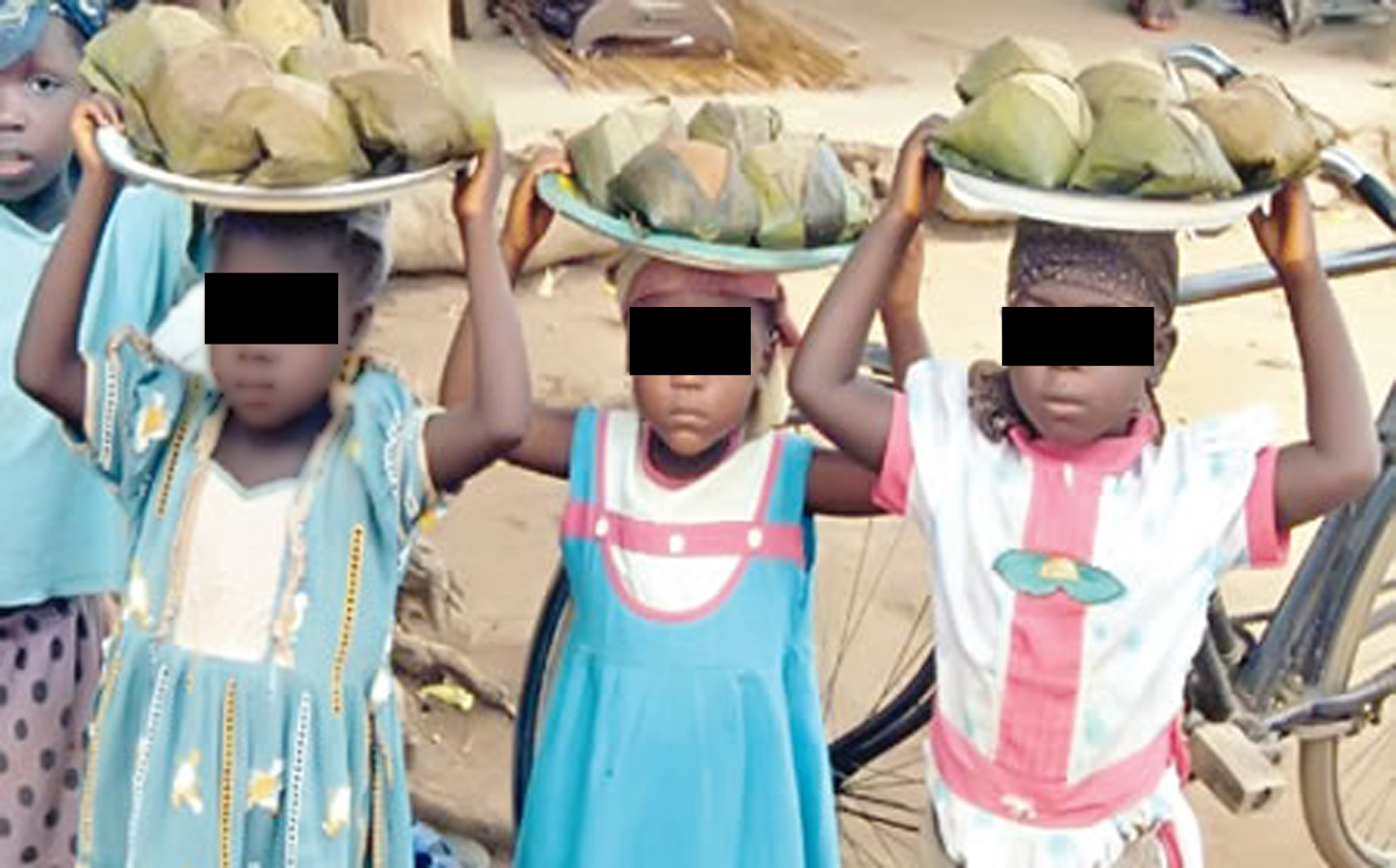
ABUJA — UNICEF has identified Jigawa State, Kano State and Katsina State as the states with the highest number of out-of-school children in Nigeria, warning that urgent investment in early childhood education is critical to reversing the trend.
The organisation disclosed that Nigeria currently accounts for about 18.3 million out-of-school children — the highest figure globally.
An education consultant with UNICEF Kano Field Office, Aisha Abdullahi, made the disclosure during a two-day dialogue for journalists drawn from the three states.
Presenting a paper on foundation learning and skills development, Abdullahi said the states contribute nearly 30 per cent of the national figure, attributing the crisis to poverty, insecurity, cultural barriers and poor school readiness.
She emphasised that Early Childhood Care, Development and Education (ECCDE) offers a long-term solution by preventing children from dropping out before entering the formal school system.
“Early childhood education is not just a preparatory stage but a strategic intervention to reduce the number of out-of-school children,” she said.
According to her, ECCDE targets children from birth to age five, equipping them with cognitive, emotional and social skills needed for formal education. She added that children exposed to early learning are more likely to enrol, remain in school and complete their education, while those without such exposure are twice as likely to drop out.
Abdullahi cited research showing that nearly 90 per cent of brain development occurs before age five, making early education a critical intervention window.
Despite the inclusion of one year of pre-primary education in Nigeria’s Universal Basic Education framework, she noted that access to ECCDE remains limited, especially in rural communities.
She added that communities with functional ECCDE centres record up to 40 per cent higher enrolment into Primary One, alongside improved retention rates.
The UNICEF expert also highlighted the role of early childhood education in promoting girls’ education, noting that it helps delay early marriage and strengthens parental engagement, particularly among mothers.
However, stakeholders at the dialogue raised concerns over low male involvement in early learning, noting that fewer than 15 per cent of fathers actively participate in the region. They said increased father involvement could reduce dropout rates by up to 50 per cent.
Participants called for urgent policy action, including expanding ECCDE centres across primary schools, allocating at least five per cent of education budgets to early learning, training more teachers and integrating traditional and religious education systems.
They stressed that sustained investment in early childhood education remains the most effective pathway to addressing Nigeria’s out-of-school children crisis.
NAN
The post Jigawa, Kano, Katsina lead out-of-school crisis — UNICEF appeared first on Vanguard News.