How economic policy shifts are influencing Forex activity in Nigeria
 SKAiF NewsNG SNN
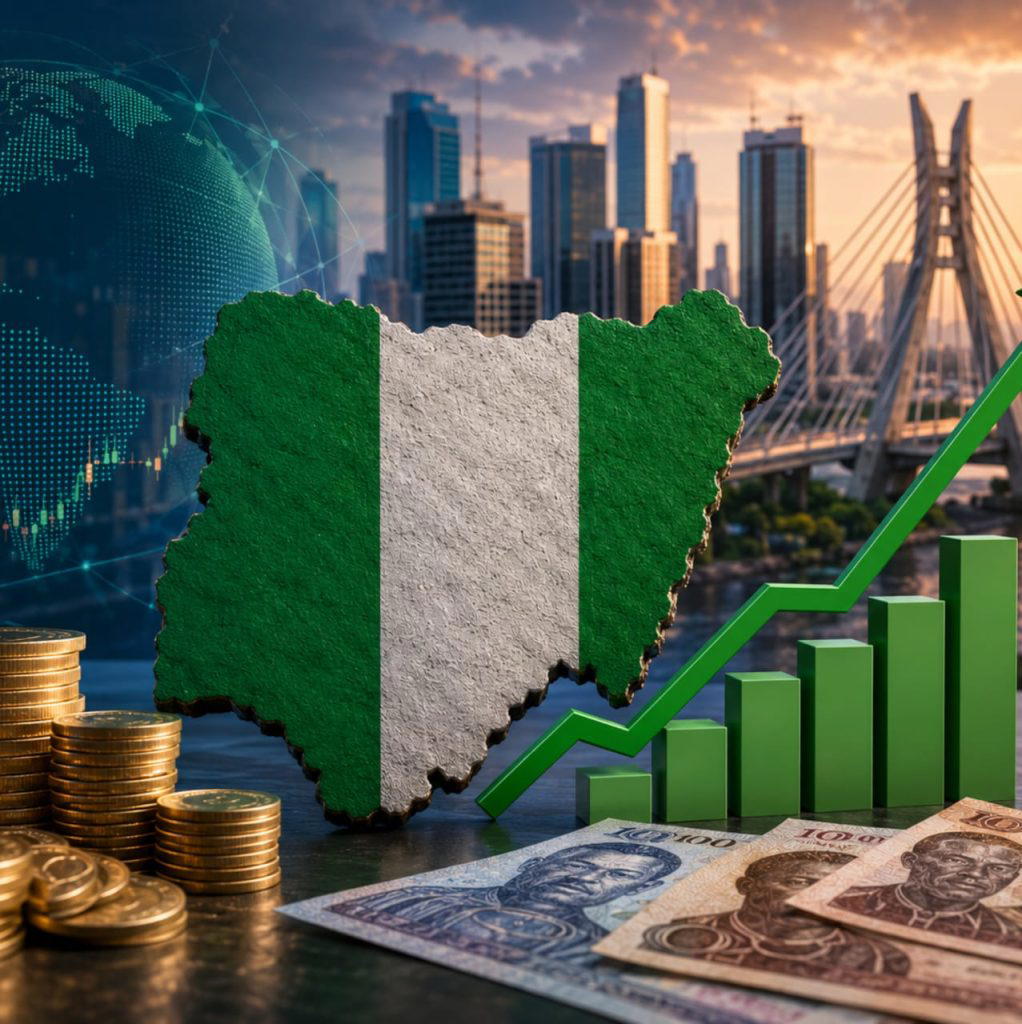
Nigeria’s economy has undergone major change over the past few years, with policy reforms reshaping everything from business confidence to consumer spending habits.
Among the areas most affected has been the foreign exchange market, where traders are paying closer attention to currency movements than ever before.
As policymakers attempt to address long-standing economic challenges, including infrastructure constraints such as unreliable power supply, changes in monetary and fiscal policy are creating new opportunities as well as new uncertainties. The result is a growing level of engagement with foreign exchange markets across the country.
A new era of currency reform
One of the biggest developments has been the effort to reform Nigeria’s exchange rate system. Multiple exchange rates existed alongside one another for years, creating distortions and making it difficult for businesses to access foreign currency at predictable prices.
Moves towards a more market-driven exchange rate have altered how individuals and companies interact with the naira. While the transition has brought periods of volatility, it has also increased awareness of currency dynamics among the broader public.
For many Nigerians, exchange rates are no longer abstract economic indicators discussed only by economists and policymakers. They directly influence the cost of imported goods and business operations. As a result, more people are actively monitoring currency movements and looking for ways to understand the factors behind them.
Interest rates and market participation
Monetary policy decisions have also played a role in forex activity. As inflationary pressures persist, policymakers have periodically adjusted interest rates to stabilize prices and support economic confidence.
Higher interest rates can affect investor sentiment and alter expectations about future currency performance. Traders often respond quickly to such announcements, while businesses increasingly incorporate monetary policy developments into their planning.
The renewed attention given to central bank decisions is indicative of a broader trend. Economic policy announcements that may have attracted interest primarily from financial institutions are now being followed by a much wider audience.
Businesses are seeking greater currency awareness
Nigeria’s business sector has become sensitive to policy-driven currency changes. Companies that rely on imported machinery or raw materials face direct exposure to exchange rate fluctuations.
As economic reforms continue, businesses are placing greater emphasis on currency management and financial planning. Many firms are monitoring global markets more closely while seeking a better understanding of how government decisions may affect future exchange rate movements.
This heightened awareness has naturally contributed to greater interest in foreign exchange markets. While not every business participates directly in forex trading, many are paying closer attention to the factors that influence currency values.
Technology is expanding access
Technology has made it easier to trade Forex. Mobile trading platforms and online educational resources have lowered barriers that once limited access to forex markets.
This means that economic policy changes can generate immediate reactions from a larger and more diverse group of market participants. Information that once flowed primarily through professional financial networks is now available to anyone with a smartphone and an internet connection.
The combination of policy reform and digital access is creating a more financially engaged population among younger Nigerians that want alternative ways to understand and participate in the economy.
Beyond short-term volatility
While policy reforms often generate short-term uncertainty, they can also encourage deeper engagement with financial markets. Forex activity in Nigeria is becoming part of a broader conversation about wealth preservation and financial literacy.
As reforms continue, interest in currency markets is likely to remain closely tied to the direction of economic policy. Government actions are contributing to how Nigerians view and interact with the forex market.
In many ways, the attention being paid to foreign exchange activity reflects a larger economic reality. As policy shifts remake the country’s economy, understanding currency movements has become an everyday necessity.
The post How economic policy shifts are influencing Forex activity in Nigeria appeared first on Vanguard News.