Highways of fear: Staying safe during festive season travels
 SKAiF NewsNG SNN
By Evelyn Usman
LAGOS — When 34-year-old hair stylist, Gbaikeme Osaretin left her home in Iyana-Ipaja, Lagos, on December 9, 2025, for a trip to Edo State, her plan was simple. She intended to spend three nights with her mother in Afuze before continuing to Abuja on December 13, to visit her ailing elder sister, then, return to Edo state to spend Christmas with her mother.
However, Osaretin never made it out of Afuze because the vehicle she boarded for Abuja was flagged down by men in uniform along a lonely stretch of road outside the town.
The men, later identified as kidnappers, abducted her and nine other passengers, marching them barefoot through the bush into a forest camp. She was released four days later after an undisclosed ransom was paid. Recounting her ordeal to Vanguard, she said the abductors appeared authoritative and did not conceal their faces.
“We thought they were soldiers. They waved us down, and the driver stopped immediately. That was when we realized something was wrong,” she said.
Rising fears on highways
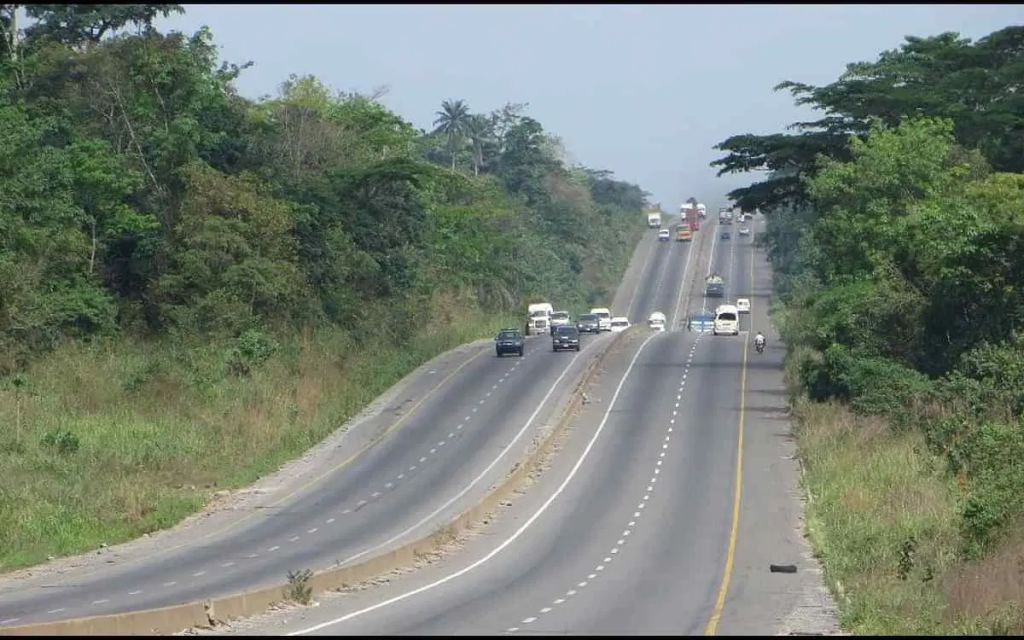
With the Christmas season here, millions of Nigerians like Osaretin, are traveling to reunite with family across the country. Major highways linking Lagos, Enugu, Kano, Abuja, and Port Harcourt are experiencing increased traffic, with higher transport fares, and queues at motor parks.
Alongside this annual movement, concerns over highway insecurity have grown, with travelers reporting fears of abduction rather than traditional worries of vehicle breakdowns or bad weather. Several federal roads have recorded repeated incidents of kidnapping, with armed groups reportedly blocking highways in broad daylight.
Routes such as Kabba–Lokoja–Abuja, Auchi–Abuja, Benin–Akure, and parts of Ondo, Imo, Kwara, Zamfara, and Benue states have been identified as high-risk pathways. In Benue, areas within the Sankera axis—Katsina-Ala, Ukum, and Logo — as well as Makurdi–Naka and Otukpo–Ugbokolo–Otukpa–Orokam roads, have gained notoriety for criminal activity.
In Edo State, the Auchi–Abuja and Benin–Akure roads have also recorded repeated attacks, with drivers sometimes shot while passengers were abducted into nearby forests.
Dilapidated roads
Beyond insecurity, poor road infrastructure has further complicated inter-state travel. Major highways across the country now have huge potholes, which have become craters as a result of continued erosion, Many sections have collapsed, generating traffic congestion.
The Akure–Ado Ekiti road, previously a 30-minute drive, now takes over 90 minutes, while gridlock on the Lagos–Ibadan Expressway continues to delay travelers for hours. Transport fares have also increased sharply; road journeys that cost about N 20,000 last year now cost between N40,000 and N 50,000, while air travel remains unaffordable for many due to rising aviation fuel costs.
Security advice to travelers
Despite these challenges, security experts advise Nigerians to travel cautiously rather than abandon road trips.
One of them, Major General Ishaq Bello (rtd) offered security tips, saying, “Christmas is a season of joy, not sorrow. Don’t travel blindly. Prepare your mind, your vehicle, and your route. The journey is as important as the destination. Share route details with at least two trusted relatives, including vehicle registration, destination, departure time, and expected arrival. Information becomes a lifeline if something goes wrong.”
He also warned against night travel, saying : “Darkness gives kidnappers cover. Visibility drops, security response slows, and fatigue makes drivers vulnerable. Travel at dawn, not at dusk.”
On fake checkpoints, he said: “Real checkpoints are organized. You will see patrol vehicles, signage, name tags, and officers working in teams. When men appear in uniform without structure or authority symbols, be suspicious.”
He cited a recent viral video showing over 20 armed bandits standing on a major expressway, appearing in military camouflage but lacking authentic insignia.
For clear identification, Major-General Bello explained: “You can differentiate Nigerian Army, Navy, and Air Force personnel in camouflage by observing their berets, badges, insignia, rank slides, and unit patches. The quickest visual cue is the headwear: Army uses red for infantry, green for armor or special forces; Navy wears maroon or dark blue/black; Air Force uses light blue or maroon for branches like Air Provost or Air Defence. Criminals wear similar-looking uniforms but without these distinctive features.”
A serving commissioner of Police, who supervises highway security in one of the busiest corridors, also urged caution. Speaking on condition of anonymity, he advised travelers: “Use registered transport companies. Avoid roadside boarding. Don’t board a vehicle and sleep through the journey. Lock doors, keep windows up in traffic, and avoid displaying phones, cash, or jewelry. Criminals watch for targets.”
On checkpoints, he added: “If a checkpoint looks suspicious, slow down, look around carefully, and if necessary, turn back or alert security. Don’t argue with armed men. Compliance increases survival chances.”
Both officers advised kidnap victims to remain mentally alert, noting that observing routes, sounds, and accents can assist security forces later. Motorists were also advised to service vehicles before travel.
“Trust your instincts. If something feels wrong, turn back. Lives are not replaceable. Keep phones charged and distress numbers saved. In an emergency, seconds matter. We want Nigerians to reach home safely, celebrate with family, and return peacefully. The roads may be dangerous, but knowledge reduces risk. Be guided, be alert,” the CP stated.
IGP deploys policemen
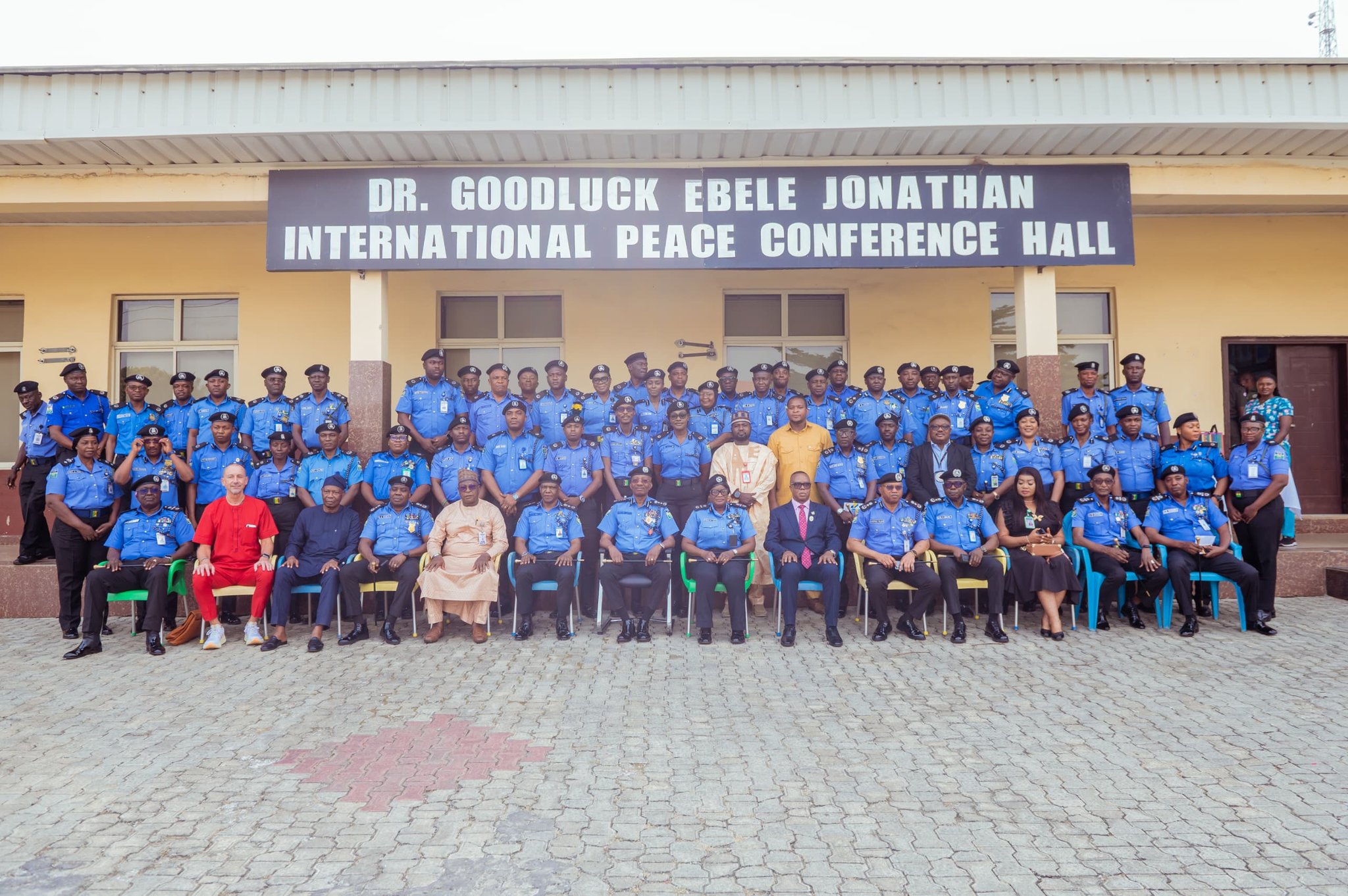
Meanwhile, Inspector-General of Police, IGP Kayode Adeolu Egbetokun, has ordered the strategic deployment of police personnel and operational assets nationwide to ensure a safe, peaceful, and crime-free Christmas and New Year.
Patrol teams and surveillance units according to his directive, are to cover inter-state routes and major expressways to prevent road-related crimes and traffic disorder, while specialized units, including the Police Mobile Force, Counter-Terrorism Unit, Explosive Ordnance Disposal Command, Intelligence Response Team, Special Tactical Squad, Special Intervention Squad, Highway Patrol, Marine Police, and Air Wing, have been placed on heightened operational readiness.
The Force Public Relations Officer, CSP Benjamin Hundeyin, in a separate statement titled Festive Season Security Tips, assured Nigerians of the Police Force’s commitment to their safety.
He said: “While we are doubling our efforts to keep you safe this season, your active participation in your own security is paramount”.
He also advised travelers to ensure vehicles are in good working condition, as well as avoid late-night travel on isolated routes.
“Report all suspicious activities. The Nigeria Police Force is here to serve you. Your prompt information can help us prevent crime and ensure everyone enjoys a peaceful celebration,” Hundenyin added.
The post Highways of fear: Staying safe during festive season travels appeared first on Vanguard News.