Growing menace of infrastructure vandalism
 SKAiF NewsNG SNN
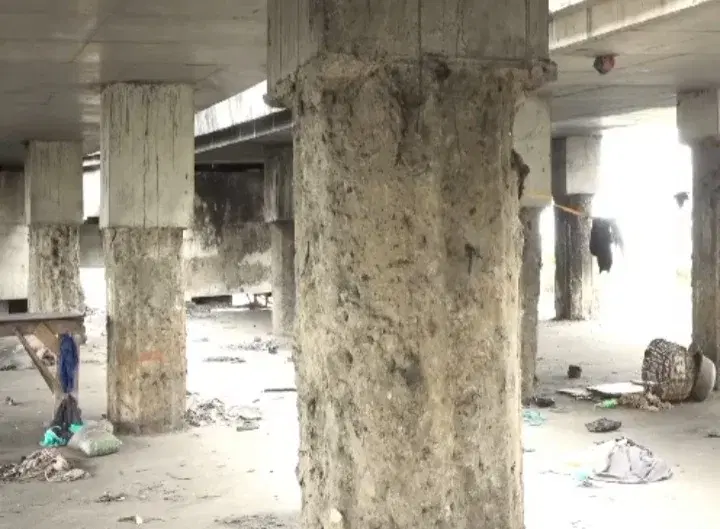
The perceived stripping of metal fittings from a flyover bridge around Alakija, Lagos, is another frightening reminder of the growing menace of infrastructure vandalism in Nigeria. The incident was serious enough to attract Governor Babajide Sanwo-Olu to the scene, while the Minister of Works, Dave Umahi, also weighed in on the danger posed by the criminal enterprise. Officials later debunked the report, insisting that contractors were still at work at the site. The misgiving would have been avoided if the governor and minister had done due diligence before responding with outrage, just like the public. The deserted, dirty environment helped stoke the perception.
However, that episode served to draw renewed attention to the ongoing menace of infrastructure vandals. The danger they pose is obvious. Removing structural fittings can compromise infrastructure, while stealing guardrails, road studs, and lighting exposes motorists to accidents, particularly at night.
The Third Mainland Bridge has repeatedly suffered theft of railings, solar lights, and reflective road studs. The menace extends far beyond Lagos. The Second Niger Bridge has also been repeatedly targeted, with fittings removed shortly after its construction. Railway infrastructure, including tracks and sleepers, has been vandalised in Nasarawa and other parts of the country. In one recent Nasarawa case, police recovered about 60 tonnes of allegedly vandalised railway materials.
Perhaps the most insidious manifestation is the theft of manhole covers. Lagos authorities have reported more than 4,000 vandalised and stolen covers across the state’s 57 local councils. Such theft turns ordinary roads into death traps. People have been injured after falling into uncovered manholes, while motorists and pedestrians face serious danger, especially during darkness and rainfall. Guardrails, drainage fittings, electrical cables, and streetlights are similarly stripped, converting public infrastructure into hazards.
Government must stop treating this as petty crime. There should be an immediate ban on unregulated scrap-metal collection, followed by a compulsory registration, training, and licencing regime for legitimate scrap collectors. Every licensed operator should be identifiable and traceable. Offenders must face severe sanctions, including imprisonment and confiscation of illicit proceeds. More importantly, investigators must follow the money. The sponsors of scavengers and the off-takers who buy stolen public property should be identified, prosecuted, and, where appropriate, have their assets seized. Government agents must regularly comb scrap markets and metal-dealing points to identify traders growing rich from stolen infrastructure. Without buyers, vandals lose their incentive.
It is grossly irresponsible for government to spend billions of naira constructing infrastructure and then fail to protect it. But citizens also have a duty. Communities that suffer the consequences must report vandals, alert security agencies, and, where safe, intervene to stop the destruction. Nigeria cannot afford to keep building only for criminals to dismantle what they build for selfish gain. Protecting infrastructure is protecting lives, public money, and the nation’s future.
The post Growing menace of infrastructure vandalism appeared first on Vanguard News.