Fighting spirit key to victory, not weapons alone — COAS
 SKAiF NewsNG SNN
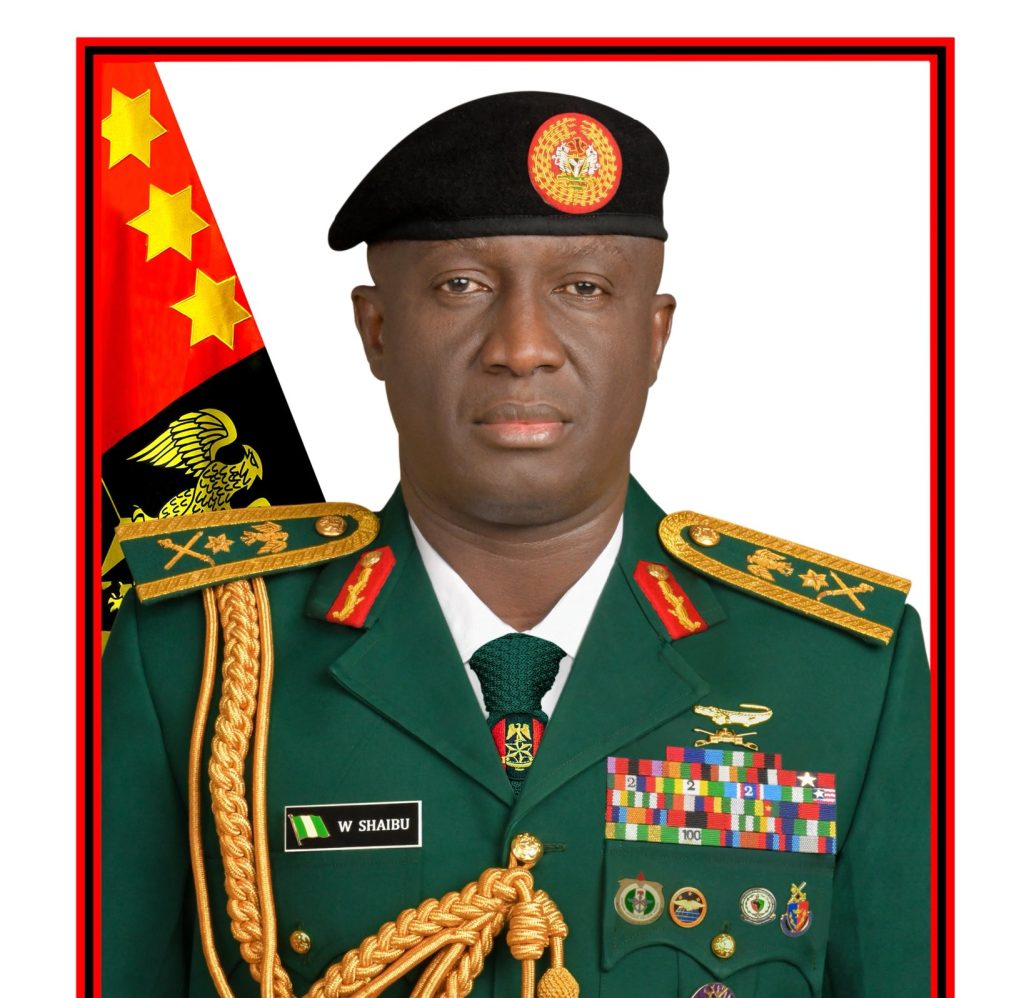
The Chief of Army Staff (COAS), Lt Gen. Waidi Shaibu, says superior weapons and advanced technologies alone do not guarantee victory on the battlefield without the needed fighting spirit.
Shaibu said that fighting spirit, collective resolve and a shared sense of purpose among soldiers ultimately determine military success.
The COAS spoke on Tuesday while addressing officers and soldiers at the Infantry Corps Centre during a seminar on “Warrior Ethos: A Tool for Building Unit Cohesion and a Combat-Ready Force” in Jaji, Kaduna State, for officers and soldiers attending a course at the Nigerian Army School of Infantry (NASI).
Shaibu, represented by the Commander Infantry Corps, Maj.-Gen. Godwin Mutkut, described the warrior ethos as a foundation of military professionalism and combat effectiveness.
He said the seminar was designed to rejuvenate the fighting spirit of officers and soldiers for greater operational success nationwide.
According to him, operational readiness remains a key pillar of his command philosophy aimed at building a professional and resilient army.
Shaibu said courage, discipline, selfless service, resilience and loyalty were essential values that define the warrior ethos.
He noted that cultivating such values would strengthen trust, enhance unit cohesion and develop the mental toughness needed for modern security challenges.
The army chief expressed concern over the growing influence of illicit drug use among some personnel.
He said substance abuse, combined with prolonged exposure to combat operations, had predisposed some troops to post-traumatic stress disorder (PTSD).
Shaibu, however, maintained that the challenges could be overcome through proper management and adherence to the principles of the warrior ethos.
He stressed that building a combat-ready force required more than training soldiers in tactics and weapon handling.
According to him, honour, teamwork, sacrifice and a mission-first mentality must remain at the heart of military service.
He said unit cohesion thrived when personnel were united by common values, mutual trust and confidence in leadership.
The COAS urged participants to draw lessons capable of strengthening the moral and professional foundations of soldiers across formations and units.
He encouraged troops to learn practical approaches to avoiding drug abuse and effectively managing PTSD.
Shaibu commended officers and soldiers for their loyalty and commitment toward tackling insecurity across the country.
He assured personnel of continued support and provision of resources required to accomplish assigned responsibilities.
Earlier, the Chief of Transformation and Innovation (Army), Maj.-Gen. Peter Okoye, said the seminar aligned with the COAS’ vision of a professional and adaptable force.
Okoye, represented by Maj.-Gen. MO Agi, the Deputy Chief of Transformation and Innovation (Army) Lessons Learnt, said resilience, discipline and mental readiness remained crucial to operational effectiveness.
Maj.-Gen. Charles Ofoche (Rtd), the lead resource person at the seminar, said that the military profession existed primarily to defend Nigeria’s territorial integrity and safeguard national interests against internal and external threats.
He noted that insurgency, banditry, terrorism and other asymmetric threats had increased demands on soldiers operating in complex security environments.
According to him, strengthening warrior ethos remains essential to improving readiness, professionalism and fighting spirit among troops.
He described warrior ethos as a combination of internal conviction and external behaviour rooted in courage, discipline, perseverance, loyalty and self-sacrifice.
Ofoche added that effective warriors were shaped through training, discipline, mentorship and experience, alongside natural abilities and personal determination.
He said that warrior ethos was not blind aggression but a professional code built on honour, duty, resilience and strategic thinking.
Also speaking, Lt Col Susan Dibal (Rtd) said PTSD was a serious but treatable condition that required awareness, early intervention and professional support.
Dibal urged personnel to seek help when necessary, stressing that recovery was possible through treatment, resilience training and strong support systems.
A chief superintendent of narcotics with the National Drug Law Enforcement Agency (NDLEA), Kaduna State Command, Hasiya Mohammed, warned that substance abuse undermined military discipline and combat readiness.
Mohammed advocated stronger preventive measures, counselling and mental health support to reduce drug abuse among military personnel. (NAN)
The post Fighting spirit key to victory, not weapons alone — COAS appeared first on Vanguard News.