FIFA World Cup: Can an African country reach the final in 2026?
 SKAiF NewsNG SNN
When Morocco reached the semi-finals of the 2022 FIFA World Cup in Qatar, they blew past a psychological barrier that had restricted African football for nearly a century. By eliminating Spain and Portugal, the Atlas Lions proved that African nations possess the tactical discipline, defensive resilience, and elite talent to match any footballing superpower.
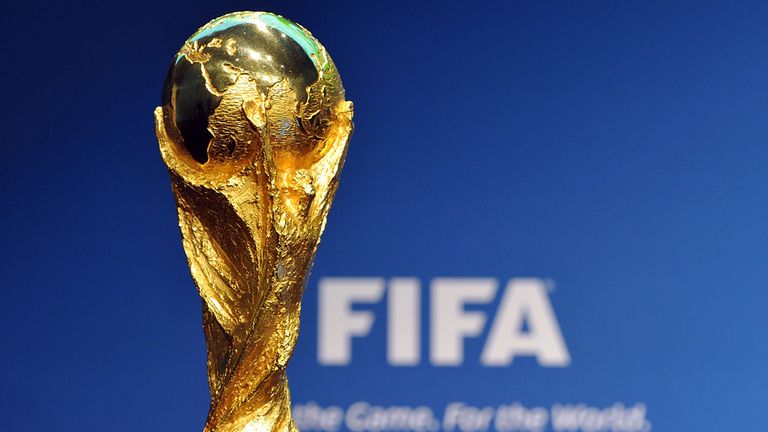
With the expanded 2026 FIFA World Cup co-hosted by the United States, Canada, and Mexico just around the corner, the grand question looms larger than ever: Can an African country take the final, monumental step and reach the World Cup final?
The answer is yes, it is mathematically and physically possible—but the road in 2026 presents an entirely new, unprecedented set of challenges and variables.
Record Number of African Teams
The single biggest advantage for Africa in 2026 is pure probability. With the tournament expanding from 32 to 48 teams, Africa’s allocation via CAF has nearly doubled.
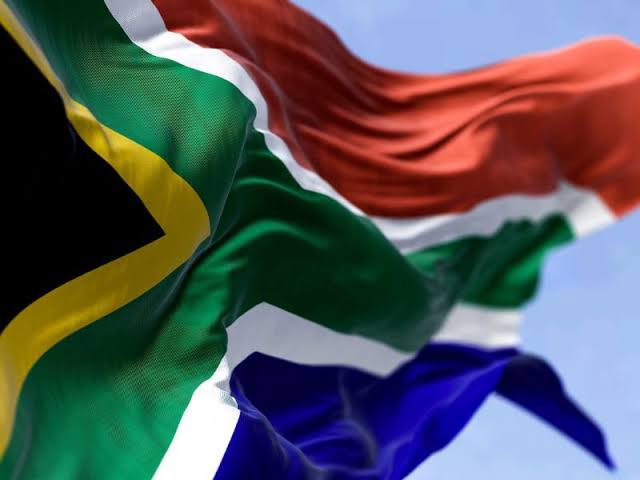
Instead of sending just five representatives, Africa has secured nine direct slots, with a tenth achieved through the intercontinental playoffs. Titans such as Morocco, Senegal, Egypt, Ivory Coast, South Africa, and Algeria are either heavily featured or locked into a fierce continental grid. Cape Verde is also making a historic World Cup debut.
More African teams in the tournament means more chances to navigate different sides of the knockout bracket, effectively reducing the risk of a single bad refereeing decision or injury crisis ending the continent’s hopes early.
The New Format
While the expanded slot allocation increases Africa’s chances in the early stages, the revised tournament structure creates a much longer, more gruelling road to the final.
To reach the final at MetLife Stadium on July 19, a team must now play eight matches instead of seven.
The introduction of the Round of 32 introduces immediate jeopardy. In a single-elimination match, tactical variance, a random red card, or a penalty shootout can eliminate an elite team in an instant. For an African side to reach the final, they must maintain absolute peak physical conditioning and mental focus for an extra week against deep, heavily rotated European or South American squads.
The Contenders
An elite group of African nations has built the tactical foundation necessary to survive a deep knockout run:
Morocco: Under Walid Regragui, they have married elite defensive organisation with rapid counter-attacking transitions. Boasting world-class talent like Achraf Hakimi, Brahim Díaz and structured European-born tactical discipline, they remain Africa’s most complete tournament squad.
Senegal: They possess one of the most physically dominant and balanced squads in international football. Even as their golden generation ages, their tactical depth and heavy experience playing in elite European leagues give them a high floor.
Ivory Coast: Powered by a brilliant mix of youthful midfield engine rooms and elite wingers, the Elephants play a robust, aggressive brand of football perfectly suited for high-intensity knockout matches.
Egypt: Never to be counted out in tournament formats. With a tactical identity historically built on suffocating defensive shapes and the talismanic, clutch presence of Mohamed Salah in what could be his final global showpiece, they are a nightmare matchup for any European giant.
Final Verdict
Can an African country reach the final? Absolutely.
The talent gap between top African players and their European counterparts has effectively closed; nearly every key player on Africa’s top national teams starts regularly in the English Premier League, Spanish La Liga or Italian Serie A.
However, the barrier to reaching the final isn’t the quality of the starting eleven—it is squad depth. To survive an eight-game tournament across three massive North American host countries, a team needs a bench that can sub on without a drop-off in quality. European powerhouses like France or England can rotate world-class players to combat fatigue and yellow card accumulation.
If an African powerhouse can keep its core starting lineup completely healthy, maintain peak tactical discipline, and navigate the chaotic waters of the new Round of 32, the ceiling is non-existent. The barrier was broken in 2022; 2026 could very well be the year history is rewritten entirely.
The post FIFA World Cup: Can an African country reach the final in 2026? appeared first on Vanguard News.