Emir Sanusi: Women’s economic empowerment rooted in Islam, not foreign concept
 SKAiF NewsNG SNN
By Bashir Bello, Kano
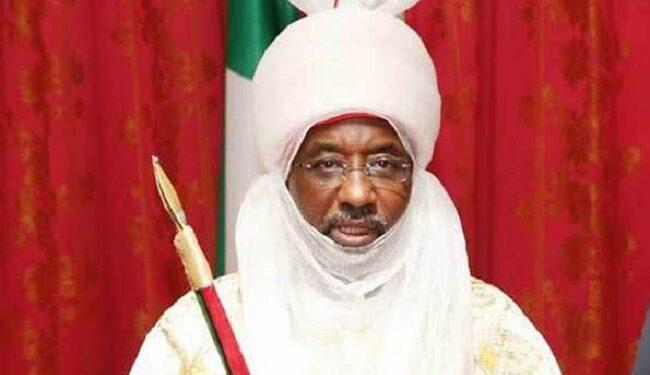
The Emir of Kano, Muhammadu Sanusi II, has emphasized that women’s participation in economic empowerment is not a foreign concept, asserting that Islam grants women the right to independent economic activity.
The Emir made the remarks via Zoom during the official launch of the Women Economic Empowerment (WEE) Policy developed for Kano State, in collaboration with the Development Research and Projects Centre (dRPC) and funded by the Ford Foundation, Global Affairs Canada, and the Gates Foundation.
Highlighting the role of women in early Muslim societies, Emir Sanusi said, “Islam grants women rights to property ownership, inheritance, enterprise, and independent economic activity. The prosperity of early Muslim societies was built on the active participation of women in trade, scholarship, and community leadership. We must reject any narrative that frames women’s economic empowerment as foreign to our values—it is rooted in them.”
He added that for Kano to thrive in a competitive global economy, it must fully leverage the intelligence, resilience, and productivity of women, stressing that a prosperous state cannot be built on the marginalization of half its population.
The Emir also pledged the support of the Emirate Council in implementing the policy, vowing to use traditional platforms to advocate for girls’ education, women’s access to economic opportunities, and community acceptance of women’s entrepreneurship.
Speaking at the launch, Governor Abba Yusuf, represented by the Commissioner for Rural and Community Development, Abdulkadir Abdulsalam, described the policy as a defining milestone in Kano’s journey toward inclusive and sustainable development. He noted that the state government has already begun translating the policy into action, including monthly disbursement of ₦50,000 to 5,200 women across 484 wards in all 44 local government areas.
The launch also featured Maryam Uwais, founder of the Isa Wali Empowerment Initiative, who stressed the importance of reaching rural women and adolescent girls, especially those who are unskilled or out of school.
Represented by the Director of Economic Development, Musa Aliyu, the Minister of Women Affairs, Imaan Sulaiman-Ibrahim, affirmed the federal government’s commitment to provide technical guidance and support to ensure the policy translates into tangible outcomes.
The WEE Policy aims to lift 2 million women out of poverty and contribute 30 percent growth to Kano State’s economy, reinforcing the state’s commitment to inclusive economic reform and recognizing women as key drivers of sustainable development.
The post Emir Sanusi: Women’s economic empowerment rooted in Islam, not foreign concept appeared first on Vanguard News.