Countdown to 2026 FIFA World Cup: Resurgent Scotland returns after 24 years
 SKAiF NewsNG SNN
By Adegboyega Adeleye
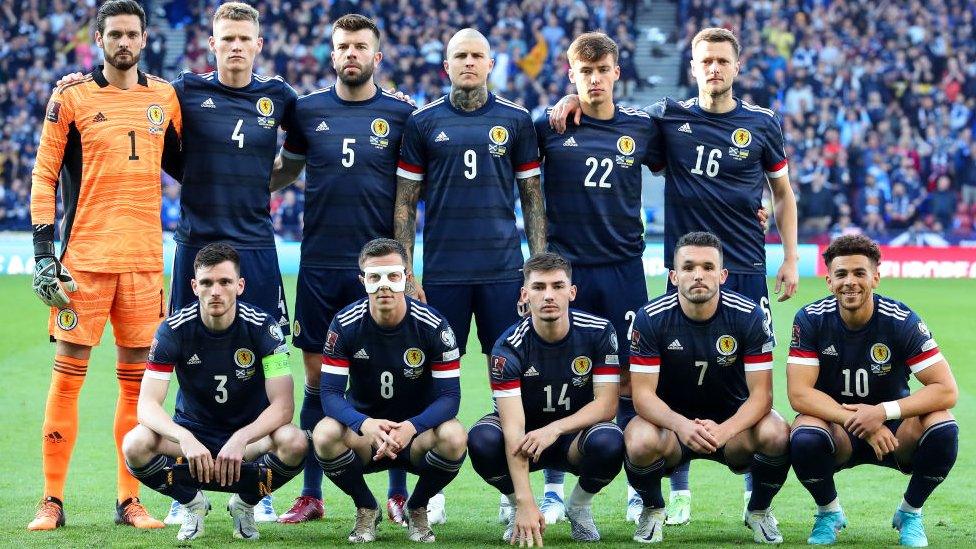
The Tartan Army of Scotland make a return to football’s biggest stage after securing qualification for the first time since 1998. This has sparked massive national celebrations in the country as it allows a new generation of fans to witness them play again on the world stage.
After failure at multiple attempts at qualification, a run that defines a remarkable 24-year wait (6 editions), they arrive in North America with renewed belief and growing expectation of a chance to compete with global giants.
The European nation endured a 28-year World Cup absence before re-establishing itself among Europe’s competitive sides, but we can affirm their readiness to prove their mettle in competitions. Steve Clarke’s side have recently evolved with identity, structure and ambition. He has led the team to three major tournaments (two European Championships and now a World Cup), cementing his legacy.
For Scotland, early points against Morocco and Haiti will be crucial before a potentially decisive final game against Brazil. If Scotland progresses beyond the group stage in North America, it would mark a historic breakthrough for a nation that has long waited for a defining World Cup moment.
Scotland’s World Cup 2026 Group stage schedule
Group C: Brazil, Morocco, Haiti, Scotland
14 June: Scotland v Haiti – Philadelphia Stadium
20 June: Scotland v Morocco – Boston Stadium
25 June: Brazil v Scotland – New York New Jersey Stadium
Qualification path
Scotland secured their place at the 2026 World Cup through a disciplined UEFA qualifying campaign built on organisation and consistency. Steve Clarke’s side eased through a competitive group with resilience, securing key wins at home and even against difficult opposition.
They proved themselves different from previous generations by showing maturity, managing pressure and maintaining form across the qualifiers for the 2026 World Cup.
Previous World Cup appearances
1954, 1958, 1974, 1978, 1982, 1986, 1990, 1998, 2026
Best finish in the World Cup
Group stage (all appearances)
Head coach for the World Cup
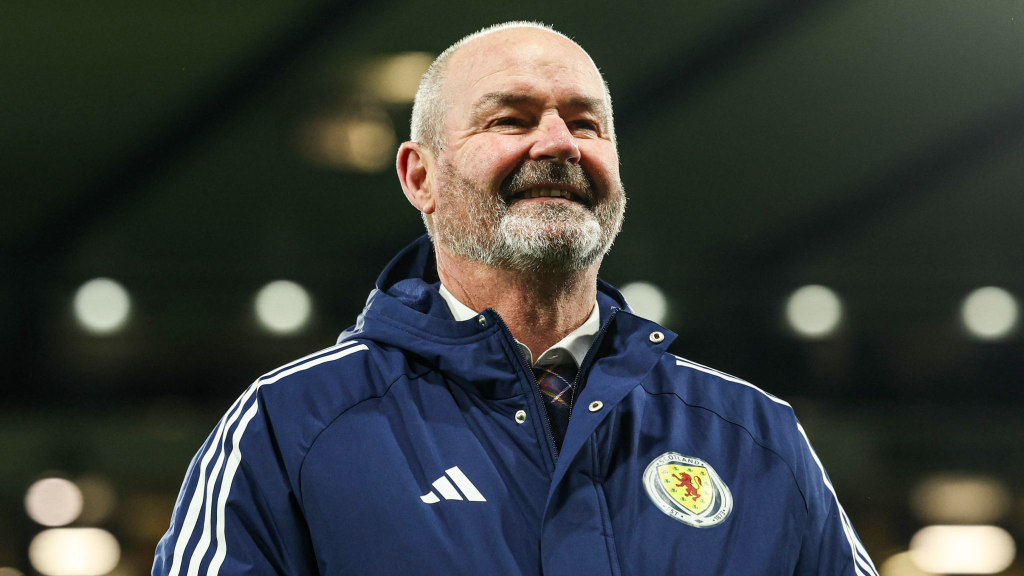
Steve Clarke is instrumental to Scotland’s resurgence and return to the global stage.
Since his appointment in 2019, Clarke has led the team to three consecutive major tournament qualifications (Euro 2020, Euro 2024, and the 2026 World Cup), with his current contract set to expire after the 2026 World Cup.
His pragmatic approach, built on defensive structure and ability to maximise available talent, has brought stability to the side and under his leadership, Scotland have returned to major tournaments. Their ability to stay compact defensively while maximising set-pieces and transitions proved decisive throughout their qualification campaign, credit to the tactical masterpiece of Steve Clarke.
Scotland’s World Cup history
Best World Cup: Group stage (all appearances)
Last World Cup: 1998 (Group stage)
First World Cup: 1954 (Group stage)
World Cup appearances: 9 (including 2026)
Current run of successive qualifications: One
Overall World Cup record: Yet to progress beyond the group stage
Key players at the World Cup
Andy Robertson

Robertson is the captain and leader of the team. The highly decorated left-back is known for his elite stamina, intensity, relentless work rate, and crossing ability.
His defensive commitment and leadership make him indispensable.
Kieran Tierney
The 28-year-old defender is also an integral part of the team. He is widely regarded as a dynamic and committed left-back or left-sided centre-back.
Versatile and aggressive, Tierney serves as both a defensive stalwart and a clutch attacking contributor for Scotland. His goal against Denmark in November 2025 helped Scotland seal qualification for the 2026 World Cup.
Scott McTominay
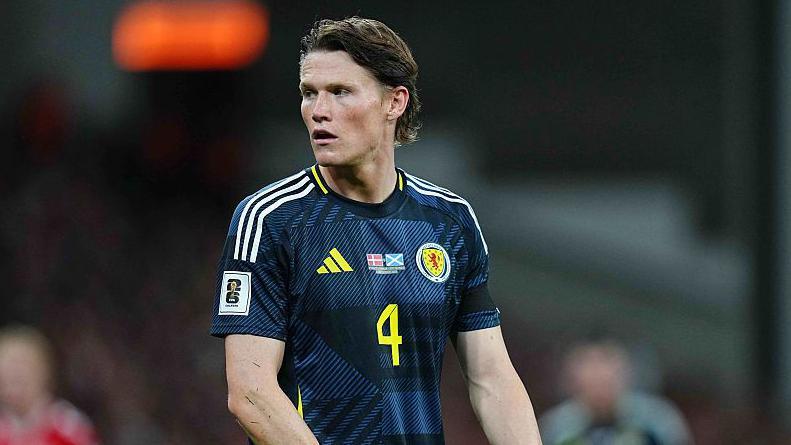
McTominay has solidified his status as a talisman for the national team, transitioning from a defensive-minded player to a crucial attacking, box-to-box midfielder who leads the team in high-pressure moments. The former Manchester United midfielder has evolved, contributing both defensively and offensively, and he is renowned for scoring important goals.
Billy Gilmour
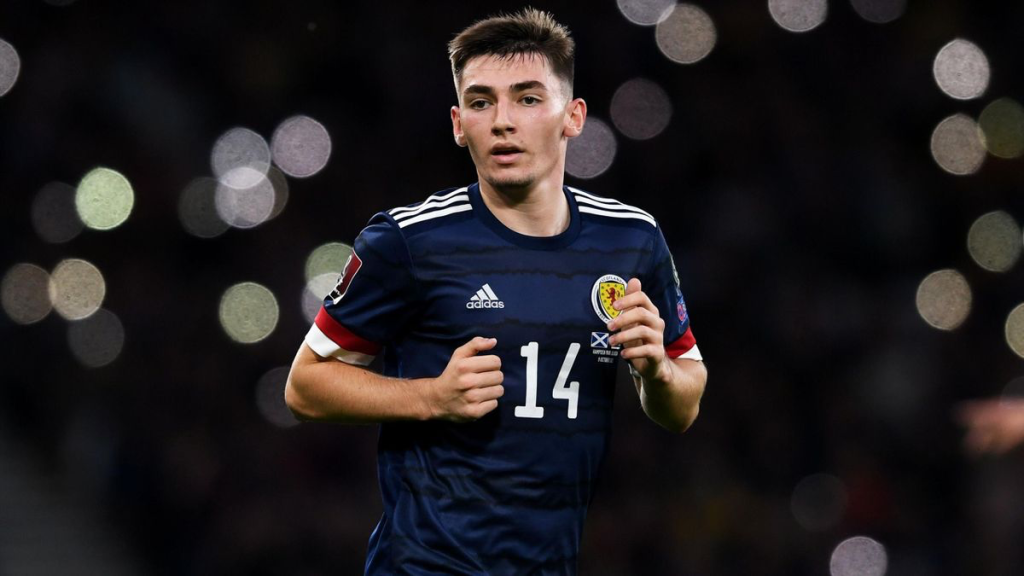
Gilmour is considered instrumental to Scotland’s 2026 World Cup campaign, serving as the “midfield powerhouse” and primary control mechanism for the team. The technically gifted and composed player is often regarded as one of Scotland’s best players alongside Scott McTominay and many others.
The 24-year-old also provides control in midfield and dictates tempo against stronger opposition.
Lyndon Dykes
Dykes provides an aerial threat and is key to Scotland’s set-piece strategy, especially with his physicality.
John McGinn
McGinn is also energetic, creative, and lethal in front of goal. He frequently scores critical goals and provides assists, making him one of the team’s top goal contributors.
Tactics
Steve Clarke’s Scotland typically operates in a 3-4-2-1 or 5-4-1 system, focusing on defensive compactness, set-piece efficiency, quick transitions, physical duels and aerial strength.
Strengths and Weaknesses
The strength of the team includes strong defensive organisation, leadership and cohesion, effective use of wing-backs, physicality and set-piece threat, while their weakness exists in limited attacking depth, reliance on defensive structure, and the lack of a prolific goal scorer.
Scotland’s All-Time Caps leader
Kenny Dalglish – 102 caps
Scotland’s All-Time leading scorer
Kenny Dalglish – 30 goals (102 caps) tied with Denis Law – 30 goals (55 caps)
About the country
Population: Approximately 5.5 million
Capital: Edinburgh
Largest city: Glasgow
Known for: Rich football heritage, passionate supporters, historic clubs and deep-rooted sporting culture
The post Countdown to 2026 FIFA World Cup: Resurgent Scotland returns after 24 years appeared first on Vanguard News.